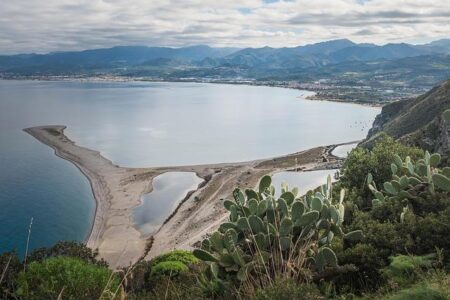

Italy has officially approved the construction of the Strait of Messina Bridge, setting the stage for what is poised to become a record-breaking engineering feat. Announced today, the decision by the Italian government marks a significant milestone in the long-standing effort to connect the island of Sicily with the mainland. The ambitious project, heralded for its potential to transform regional transport and stimulate economic growth, will feature one of the longest suspension bridges ever built. This development has captured the attention of engineers, policymakers, and industry experts worldwide, as Italy moves forward with plans to turn this decades-old vision into reality.
Italy Approves Ambitious Strait of Messina Bridge Project Setting New Engineering Milestones
The Italian government has officially authorized the construction of what promises to be a landmark in bridge engineering – a colossal suspension bridge spanning the Strait of Messina, connecting mainland Italy to Sicily. This project aims to redefine architectural possibilities with a central span estimated to extend over 3,300 meters, setting new global records. Engineered to withstand seismic activity and adverse marine conditions, the bridge will facilitate unprecedented connectivity, boosting regional economies and significantly reducing travel time.
Key highlights of the project include:
- Record-breaking span length: Over 3.3 kilometers, surpassing current world leaders.
- Seismic resilient design: Advanced engineering to endure frequent earthquakes in the region.
- Innovative materials: Utilization of ultra-high-performance concrete and corrosion-resistant steel.
- Eco-conscious construction: Minimizing environmental impact on the Strait’s unique ecosystem.
| Feature | Details |
|---|---|
| Span Length | 3,300+ meters |
| Height of Towers | 382 meters |
| Estimated Cost | €6.5 billion |
| Completion Timeline | 2032 |
Key Challenges and Environmental Considerations Surrounding the Record-Breaking Bridge
Constructing the Strait of Messina Bridge presents a formidable set of engineering and environmental challenges. The project demands innovative solutions to withstand strong seismic activity prevalent in the region, necessitating state-of-the-art earthquake-resistant design measures. Additionally, the bridge will span one of Europe’s busiest maritime routes, requiring meticulous planning to ensure minimal disruption to commercial shipping and local fisheries. The sheer scale of the bridge, poised to set records for length and span, calls for cutting-edge materials and construction techniques to guarantee long-term durability under harsh marine conditions.
Environmental considerations remain at the forefront, as the bridge’s construction must safeguard the fragile ecosystems within the Strait of Messina. Authorities have emphasized the importance of protecting endemic species and maintaining water quality throughout the building phases. Key concerns include:
- Marine biodiversity preservation: Minimizing impact on rare and protected species.
- Landscape integrity: Avoiding visual disruption to the natural coastline.
- Waste management: Ensuring responsible disposal and recycling of construction materials.
| Challenge | Mitigation Strategy |
|---|---|
| Seismic Risk | Flexible design with base isolators |
| Marine Traffic | Coordinated navigation scheduling |
| Ecological Impact | Environmental monitoring and seasonal work restrictions |
Recommendations for Stakeholders to Ensure Sustainable Development and Timely Completion
To guarantee the Strait of Messina Bridge project successfully balances environmental integrity with engineering ambition, stakeholders must adopt a multi-faceted approach. Prioritize transparent communication among government bodies, contractors, and local communities to foster trust and address concerns promptly. Additionally, implementing advanced monitoring technologies will enable real-time tracking of progress and environmental impact, ensuring swift corrective measures if deviations occur. Emphasizing robust regulatory compliance alongside innovative sustainability practices can set a global benchmark for infrastructure development.
Collaboration is key to maintaining momentum and avoiding costly delays. Stakeholders should consider forming dedicated task forces that meet regularly to evaluate timeline adherence and resource allocation. The table below outlines core focus areas and recommended actions to boost efficiency without compromising sustainability:
| Focus Area | Recommended Actions | Expected Outcome |
|---|---|---|
| Environmental Safeguards | Continuous impact assessments, native species preservation | Minimal ecological disruption |
| Project Management | Agile scheduling, risk management protocols | On-time completion |
| Stakeholder Engagement | Community forums, transparent reporting | Increased public support |
| Technological Integration | Use of drones and IoT sensors | Enhanced efficiency and safety |
Insights and Conclusions
As Italy moves forward with the green light for the record-breaking Strait of Messina Bridge, the project stands as a bold testament to the country’s commitment to enhancing infrastructure and regional connectivity. While challenges remain in engineering, environmental impact, and funding, the approval marks a significant milestone in Italy’s ambitious vision for the future. Stakeholders and observers alike will be watching closely as this landmark project advances from blueprint to reality, potentially reshaping the landscape and economy of southern Italy for generations to come.