
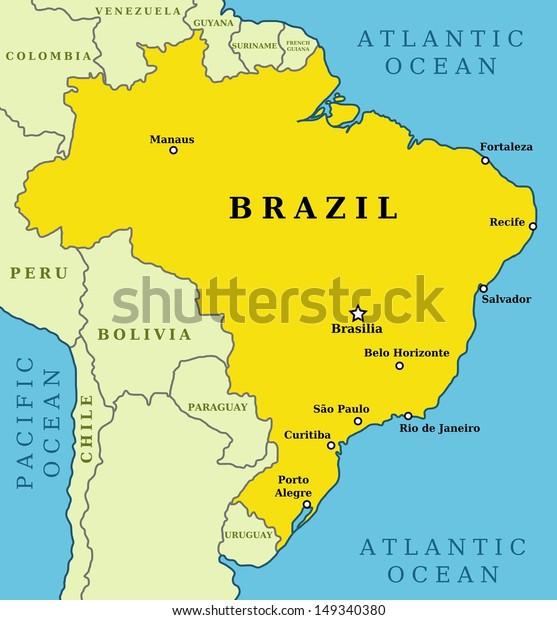
In an unprecedented legal showdown, Brazil confronts one of its most significant political crises as former President Jair Bolsonaro faces trial over his alleged role in orchestrating a coup attempt. The proceedings, which have captured national and international attention, mark a critical moment in the country’s struggle to uphold democratic institutions amid growing political polarization. This article examines the key elements of the trial, the evidence presented, and the broader implications for Brazil’s democracy, underscoring why this case is being hailed as historic in the annals of Latin American politics.
Brazil Faces Historic Trial as Bolsonaro Challenges Democratic Norms
Amid mounting political tension, Brazil enters an unprecedented legal showdown as former President Jair Bolsonaro faces trial over allegations linked to an attempted coup. The proceedings mark a critical juncture for the South American democracy, spotlighting the fragile balance between political power and judicial accountability. Central to the case are accusations of undermining electoral integrity, inciting unrest, and challenging constitutional order-actions that risk reshaping Brazil’s democratic landscape for years to come.
Key elements defining this historic trial include:
- Systematic efforts to discredit Brazil’s electronic voting system.
- Mass mobilization of supporters in response to alleged electoral fraud claims.
- Legal interpretations of the separation of powers in a turbulent political climate.
| Aspect | Implication for Democracy |
|---|---|
| Judicial Independence | Tests courts’ ability to hold powerful figures accountable |
| Political Stability | Risks polarization and societal division |
| Media Coverage | Shapes public perception and international scrutiny |
| Civil Society Response | Engages citizens in democratic defense mechanisms |
Unpacking the Legal Battle Behind the Coup Attempt Allegations
The courtroom has become the latest battleground where political tensions in Brazil have escalated beyond the streets and social media feeds. Central to the trial are allegations of orchestrated efforts to undermine the democratic order, involving key figures loyal to former President Bolsonaro. Prosecutors present an intricate tapestry of evidence highlighting attempts to manipulate electoral outcomes and foment unrest, bringing a new dimension to the legal scrutiny surrounding Brazil’s fragile political landscape.
Key aspects dominating legal proceedings include:
- Testimonies from insiders: Former allies turning state’s witnesses have unraveled communications suggesting premeditated actions.
- Digital forensics: Analysis of encrypted messaging apps revealing coordination between military sympathizers and political operatives.
- Judicial precedents: Invoking historical frameworks to delineate the severity and unique nature of the case.
| Element | Focus | Impact |
|---|---|---|
| Communication Evidence | Encrypted chats | Proves coordination |
| Witness Statements | Insider revelations | Corroborates charges |
| Legal Framework | Historical precedents | Guides prosecution strategy |
Experts Recommend Strengthening Institutions to Safeguard Brazil’s Democracy
Democracy in Brazil currently stands at a critical juncture, prompting leading analysts and political scientists to urge for a robust reinforcement of the country’s institutional frameworks. They emphasize that safeguarding democratic norms requires more than procedural reforms; it demands a cultural shift towards greater transparency, accountability, and resilience within key state bodies. Experts argue that independent judiciary, credible electoral systems, and impartial law enforcement agencies must be empowered to operate without political interference, thus preventing potential authoritarian backsliding.
Among the recommended measures, authorities highlight the importance of:
- Strengthening the judiciary’s autonomy to uphold checks and balances effectively.
- Enhancing electoral security protocols to foster trust in democratic outcomes.
- Promoting civic education to reinforce public commitment to democratic values.
- Expanding oversight mechanisms to detect and respond swiftly to institutional abuses.
These strategic priorities are viewed as essential steps to fortify Brazil’s democratic health amid ongoing political tensions and the unprecedented legal scrutiny following claims of a coup attempt.
| Institution | Primary Role | Recommended Action |
|---|---|---|
| Judiciary | Interpret and uphold the law | Guarantee judicial independence |
| Electoral Tribunal | Oversee election processes | Implement stronger security systems |
| Federal Police | Investigate federal crimes | Maintain impartiality free from political influence |
The Conclusion
As Brazil confronts one of the most consequential trials in its recent history, the proceedings against Jair Bolsonaro signal a pivotal moment for the nation’s democracy. The trial not only seeks accountability for the alleged coup attempt but also tests the resilience of Brazil’s institutions amid deep political divisions. How the judiciary navigates this high-stakes case will undoubtedly shape the country’s democratic trajectory for years to come. For Brazil, the path forward hinges on upholding the rule of law and reaffirming the principles that underpin its constitutional order.