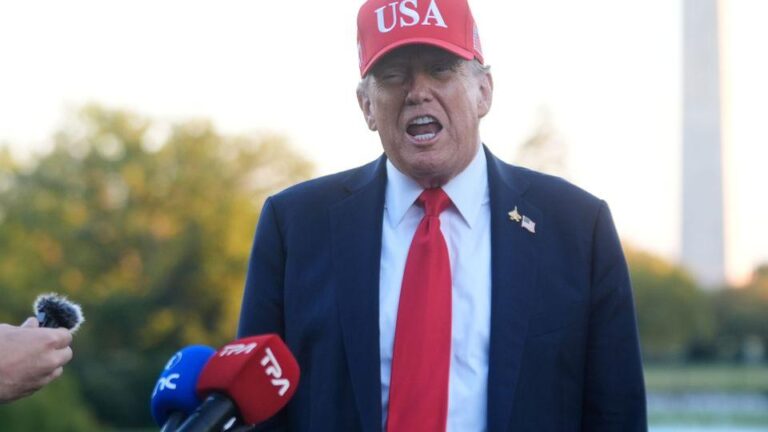
In a sharp escalation of trade tensions, former President Donald Trump has threatened retaliatory measures in response to China’s recent strategic maneuvers in the rare earth minerals sector. The move comes amid growing concerns over global supply chain vulnerabilities and geopolitical competition for critical resources. As China advances its control over rare earth elements-vital for a range of high-tech industries-Trump’s warnings underscore the fraught economic and political stakes at the heart of U.S.-China relations. This development, reported by E&E News and POLITICO Pro, signals a potential intensification of trade confrontations with wide-ranging implications for international markets and national security.
Trump Signals Escalation in Trade Tensions Over China’s Rare Earth Policies
President Trump has issued a stark warning following China’s recent adjustments to its rare earth export policies, signaling a potential intensification of trade disputes between the world’s two largest economies. The administration views Beijing’s restrictions on critical minerals, essential for advanced technologies and defense applications, as a strategic maneuver designed to undermine U.S. manufacturing and national security interests. As a result, Washington is considering a suite of retaliatory tariffs and regulatory measures aimed at pressuring China to reverse course and ensure supply chain stability.
Key concerns driving this escalation include:
- Supply Vulnerability: China’s dominance in the rare earth market, accounting for nearly 80% of global production, places significant leverage in their hands.
- Economic Impact: Disruptions threaten critical industries such as electronics, automotive, and renewable energy.
- Geopolitical Stakes: The move reflects broader tensions beyond trade, touching on defense and technological leadership.
| Aspect | U.S. Concern | China’s Position |
|---|---|---|
| Export Controls | Threatens supply chain security | Protects environmental and economic interests |
| Trade Retaliation | Potential tariffs on $50B+ imports | Likely to respond with countermeasures |
| Technological Access | Risks delays in tech innovation | Leverages critical resource dominance |
Implications for Global Supply Chains and U.S. Manufacturing Competitiveness
The escalating tensions surrounding China’s control over rare earth materials have sent shockwaves through global supply chains, especially those industries dependent on these critical minerals. As the U.S. contemplates retaliation, companies worldwide face potential disruptions in sourcing vital components for electronics, defense, and green energy technologies. The concentration of rare earth processing in China underscores a fragile dependency, prompting nations and corporations alike to reconsider diversification and stockpiling strategies to shield against geopolitical risks.
- Supply Chain Vulnerabilities: Heightened tariffs or export restrictions could cause delays and increased costs, impacting production timelines across multiple sectors.
- Domestic Manufacturing Push: To regain competitiveness, U.S. industry leaders are lobbying for investment in rare earth mining and refining capabilities on American soil.
- Innovation and Alternatives: Researchers are accelerating efforts to develop rare earth substitutes or recycling technologies to lessen strategic dependencies.
| Factor | Potential Impact | Response Strategies |
|---|---|---|
| Trade War Escalation | Increased costs, supply delays | Diversify suppliers, stockpile reserves |
| U.S. Manufacturing | Competitiveness risk | Boost domestic mining & refining |
| Technological Innovation | Alternative materials | Invest in R&D, recycling tech |
Strategies for U.S. Policymakers to Mitigate Risks and Strengthen Domestic Rare Earth Production
U.S. policymakers must adopt a multi-faceted approach to reduce dependency on foreign rare earth elements, especially amid escalating trade tensions with China. Accelerating investment in domestic mining and processing infrastructure can help ensure a steady supply chain. Additionally, expanding public-private partnerships will be vital to fund cutting-edge research into alternative materials and more efficient extraction technologies. Strengthening environmental regulations simultaneously will ensure sustainable practices without deterring industry growth.
Supportive government policies should also focus on strategic stockpiling and diversification of import sources to buffer against abrupt market disruptions. The following measures are recommended for immediate consideration:
- Increased funding for critical mineral research and development programs
- Incentives such as tax credits for domestic rare earth processors
- Trade agreements aimed at securing alternative international rare earth suppliers
- Streamlining permitting processes for new mining operations
| Strategy | Expected Impact | Timeline |
|---|---|---|
| Investment in Domestic Mining | Enhanced Supply Chain Security | Short to Medium Term |
| Tax Incentives for Processors | Increased Industry Participation | Immediate |
| Research into Alternatives | Reduced Long-Term Dependence | |
| Research into Alternatives | Reduced Long-Term Dependence | Medium to Long Term |
| Diversification of Import Sources | Increased Supply Chain Resilience | Immediate to Medium Term |