
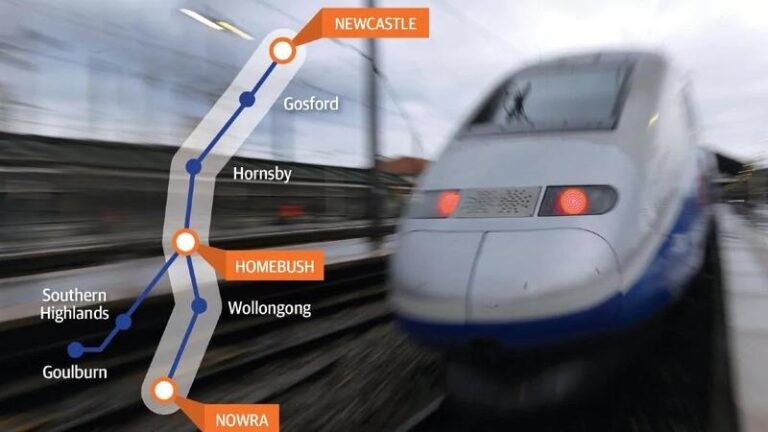
The key government agency has officially approved the Sydney-Newcastle high-speed rail project, setting a target completion date of 2037. The decision marks a significant milestone in Australia’s efforts to modernize its transport infrastructure and enhance connectivity between two of New South Wales’ largest cities. With promises of faster travel times and economic growth, the project is poised to transform regional mobility and stimulate development along the corridor. Further details on timelines, funding, and expected impacts are anticipated as the initiative moves forward.
Key Agency Approves Sydney to Newcastle High Speed Rail Project
The project has received crucial endorsement from the Australian Infrastructure Commission, marking a significant milestone for the region’s transportation landscape. This endorsement paves the way for the development of a state-of-the-art rail line that promises to drastically cut travel times between Sydney and Newcastle, aiming for operational status by 2037. With an emphasis on sustainability and innovation, the rail line will feature cutting-edge technology designed to support speeds exceeding 300 km/h, setting a new standard for intercity travel in Australia.
Key details of the proposal include:
- Route Length: Approximately 170 kilometers
- Estimated Travel Time: Under 45 minutes
- Environmental Impact: Minimal carbon footprint through electrification
- Economic Benefits: Job creation and enhanced regional connectivity
| Aspect | Details |
|---|---|
| Construction Start | 2029 |
| Projected Cost | AU$15 billion |
| Number of Stations | 5 (including Sydney & Newcastle) |
| Top Speed | 320 km/h |
Projected Benefits and Economic Impact on Regional Communities
The introduction of the Sydney-Newcastle high-speed rail is anticipated to serve as a transformative boon for regional communities along the corridor. By drastically reducing travel times, the project promotes increased regional connectivity, empowering local economies to flourish through enhanced access to larger markets and tourism opportunities. Key towns and cities are expected to experience job creation both during and after construction, with sectors such as hospitality, retail, and professional services projected to benefit the most. The boost in economic activity is also likely to encourage population growth and urban development in areas that have historically faced economic stagnation, injecting fresh vitality into these communities.
- Job creation: Estimated 10,000 direct and indirect jobs during construction
- Tourism growth: Increased visitor numbers by up to 20% within five years
- Property value uplift: Anticipated 15-25% rise in regional real estate prices
- Business development: New opportunities for small and medium enterprises
| Region | Estimated Jobs Created | Tourism Growth (%) | Property Value Increase (%) |
|---|---|---|---|
| Newcastle | 4,200 | 18 | 22 |
| Gosford | 2,100 | 15 | 17 |
| Wyong | 1,500 | 20 | 25 |
Beyond economic growth, the rail project is set to catalyse a sustainable shift in regional mobility patterns, reducing reliance on road transport and lowering carbon emissions. This positive environmental impact resonates deeply with community aspirations for cleaner, more accessible public infrastructure. With increased accessibility, local students and workers will gain greater access to educational institutions and employment hubs in Sydney and Newcastle, bridging generational divides and encouraging socioeconomic inclusivity. Overall, the high-speed rail stands as a critical infrastructure investment that promises to reshape the economic landscape and enrich the quality of life for regional residents.
Recommendations for Timely Infrastructure Development and Environmental Safeguards
To ensure the Sydney-Newcastle high-speed rail project meets its 2037 deadline, experts urge a rigorous framework that prioritizes both efficiency and environmental stewardship. Key recommendations include early and continuous stakeholder engagement, streamlined regulatory processes, and the integration of cutting-edge construction technologies. Emphasis is placed on robust project management practices to monitor progress and swiftly address any emerging challenges, which will be critical in avoiding costly delays.
Environmental safeguards remain paramount, with proposed measures such as:
- Comprehensive impact assessments before each construction phase
- Installation of wildlife corridors to preserve local biodiversity
- Use of sustainable materials and recycling programs to reduce carbon footprint
- Ongoing water quality monitoring near construction sites
| Recommendation | Target Outcome | Implementation Timeline |
|---|---|---|
| Stakeholder Collaboration | Enhanced project transparency | Immediate & ongoing |
| Environmental Impact Monitoring | Protection of ecosystems | Throughout construction |
| Advanced Technology Adoption | Reduced delays and costs | Phased from 2025 |
| Sustainability Programs | Minimized carbon emissions | Start by 2028 |
Insights and Conclusions
With the key agency’s approval secured, the Sydney-Newcastle high-speed rail project is officially on track for completion by 2037. This milestone marks a significant step forward in Australia’s infrastructure plans, promising faster, more efficient travel between two of the nation’s major urban centers. As the project moves into its next phases, stakeholders and communities alike will be watching closely to see how this ambitious vision reshapes regional connectivity and economic growth in the years ahead.