
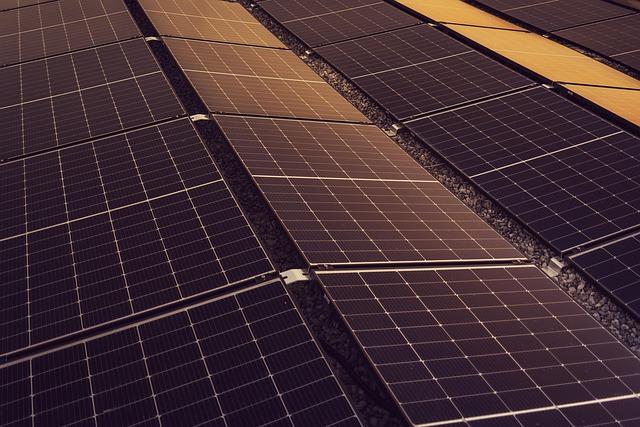
As the world races to transition toward renewable energy, China’s ambitious green energy expansion presents a complex paradox. Despite leading global investments in solar, wind, and electric vehicles, China’s burgeoning green economy remains heavily reliant on coal-fired power. This article examines how the nation’s so-called green energy “revolution” is underpinned by continued coal consumption, highlighting the challenges and contradictions at the heart of China’s energy strategy.
China’s Renewable Energy Growth Masked by Hidden Coal Dependence
Despite boasting the world’s largest capacity in wind and solar power, China’s rapid renewable energy expansion is intricately linked with its continued reliance on coal. While headlines celebrate megawatt milestones and ambitious carbon neutrality targets, the country’s energy grid remains heavily supported by coal-fired plants, which provide the necessary stability that intermittent clean sources often cannot. This hidden dependency is crucial for meeting the surging electricity demands of China’s industrial sectors, making the green transition more complex than it appears.
Recent data reveal a paradox where renewable installations increase annually, yet coal consumption has not decreased proportionally.
Key factors contributing to this include:
- Intermittency issues with solar and wind power generation.
- Insufficient grid infrastructure to integrate renewable energy efficiently.
- Economic priorities favoring steady, cheap electricity from coal plants.
| Year | Renewable Capacity (GW) | Coal Consumption (Mt) |
|---|---|---|
| 2018 | 410 | 3,720 |
| 2019 | 480 | 3,890 |
| 2020 | 590 | 3,960 |
| 2021 | 700 | 4,015 |
Examining the Environmental and Economic Implications of China’s Energy Strategy
China’s ambitious energy agenda underscores a complex interplay between environmental goals and economic pragmatism. Despite massive investments in renewable technologies such as solar and wind, coal remains the backbone of the country’s electricity generation. This reliance reflects both the scale of China’s energy demands and the logistical challenges in transitioning away from fossil fuels. While the green energy sector experiences rapid growth, coal-fired power plants continue to be operational at high capacity, ensuring energy security but raising serious questions about the effectiveness of the proclaimed energy revolution.
Economically, China’s energy strategy presents a paradox. The government promotes green tech exports and domestic clean energy jobs, yet subsidies and infrastructure investments heavily favor coal mining and coal-based power generation. This dual approach creates:
- Short-term economic stability by leveraging abundant coal resources
- Long-term environmental risks due to persistent carbon emissions
- Challenges for global climate commitments as growth in coal power undermines emission reduction targets
| Energy Source | 2023 Share (%) | Change vs. 2018 (%) | Projected 2030 Trend |
|---|---|---|---|
| Coal | 56 | -3 | Stable to slight decline |
| Hydropower | 18 | +2 | Moderate growth |
| Wind & Solar | 16 | +7 | Rapid growth |
| Natural Gas | 8 | +1 | Steady growth |
Policy Recommendations for Genuine Transition to Sustainable Green Power
To move beyond the paradox of China’s simultaneous pursuit of green energy and coal dependence, targeted policy frameworks must emphasize transparency, accountability, and long-term commitment. Government incentives should prioritize investment in genuinely renewable infrastructure rather than subsidizing incremental improvements to coal technology. Crucially, the rollout of green energy must be accompanied by robust grid modernization to handle variability in renewable supply and avoid backsliding into fossil fuel reliance during peak demands. Additionally, binding emissions reduction targets with clear timelines can prevent ambiguity and ensure that projects labeled “green” meet stringent environmental criteria.
Industry regulations should empower local authorities and private stakeholders to adopt innovative energy storage and distributed generation solutions. Financial mechanisms such as green bonds and carbon pricing must be calibrated to disincentivize coal while making clean power economically competitive. Below is a summary of critical policy levers for enabling a credible transition:
- Phase-out schedules for coal plants coupled with retraining programs for affected workers
- Enhanced grid infrastructure investments to support renewable integration
- Increased funding for research in next-generation green technologies
- Stricter verification of renewable energy claims and carbon footprint reporting
| Policy Measure | Expected Outcome | Timeframe |
|---|---|---|
| Coal Plant Phase-out | Reduction in emissions by 40% from 2020 levels | By 2030 |
| Grid Modernization | Improved renewable energy integration and reliability | 2025 – 2035 |
| Green Technology R&D Funding | Breakthroughs in energy storage and efficiency | Ongoing |
| Carbon Pricing Implementation | Incentivize shift to low-carbon energy sources | By 2027 |
To Conclude
As China continues to expand its green energy infrastructure, the paradox of relying heavily on coal highlights the complexities underpinning its transition. While ambitions for a cleaner future remain clear, the current energy landscape underscores that coal still plays a critical role in powering growth and addressing soaring demand. Understanding this dual reality is essential for assessing China’s climate commitments and the global implications of its energy strategy moving forward.