
As the Biden administration unveils its latest adjustments to student loan policies, borrowers across the nation are weighing the impacts of the new measures. While the reforms aim to alleviate the financial burden on millions of Americans, the changes also reveal clear distinctions between the beneficiaries and those left facing continued challenges. This article examines the winners and losers emerging from the revamped student loan plans, shedding light on how different groups of borrowers will be affected in the months ahead.
Winners Benefit from Expanded Loan Forgiveness and Reduced Payment Plans
Borrowers across the country are poised to gain substantially under the updated student loan framework, which expands eligibility for debt forgiveness and introduces more lenient repayment options. Key changes include the removal of income caps for certain forgiveness programs and the extension of timeframes to qualify, allowing many more borrowers to benefit. This shift aims to relieve financial pressure on millions, promoting economic stability and increased consumer spending. Importantly, the plan targets individuals with undergraduate loans, while certain graduate loan holders may see limited relief, sparking debate over equitable treatment.
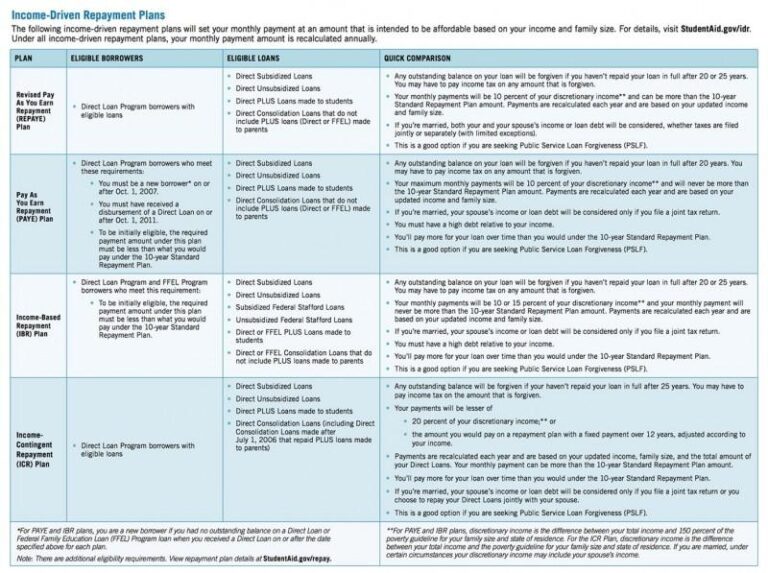
In addition to expanded forgiveness, the plan advocates for reduced monthly payments tailored to income, often dropping payments to as low as 5% of discretionary income for eligible borrowers. This approach provides immediate relief to lower-income workers and those facing financial hardship. Below is a breakdown of the new income-driven repayment options and forgiveness eligibility:
| Plan Type | Monthly Payment (% of Income) | Forgiveness Timeline | Eligible Borrowers |
|---|---|---|---|
| Revised PAYE | 5% | 15 years | Undergraduate only |
| Standard IBR | 10% | 20 years | All federal loans |
| New Graduated Plan | Varies* | 25 years | Graduate PLUS loans |
*Payments start low and increase gradually over time.
- Expanded forgiveness: Millions more qualify without strict income caps.
- Reduced payments: Payment thresholds lowered to ease monthly budgeting.
- Greater access: Simplified application process to access benefits faster.
Losers Face Increased Burdens Amid Stricter Eligibility and Repayment Terms
Borrowers who do not meet the tightened eligibility criteria are finding themselves with significantly fewer options for relief. Under the new plan, many former beneficiaries of generous forgiveness programs now face harsher penalties and limited access to income-driven repayment plans. This shift disproportionately impacts individuals with moderate incomes who previously qualified for partial loan forgiveness but are now required to shoulder the entire repayment burden.
Key changes that exacerbate financial strain for these borrowers include:
- Reduced grace periods before payments must resume, leaving less time for financial recovery.
- Higher minimum monthly payments calculated based on stricter income verification processes.
- Elimination of certain deferment options, increasing the likelihood of defaults.
| Factor | Previous Terms | New Terms |
|---|---|---|
| Eligibility Income Threshold | $75,000 | $50,000 |
| Grace Period | 12 months | 6 months |
| Minimum Monthly Payment | $150 | $250 |
Experts Urge Borrowers to Review Options and Act Quickly to Maximize Relief
Financial advisors and student loan specialists emphasize the urgency for borrowers to carefully assess their current situations in light of the recent changes. Many loan holders could benefit substantially from new forgiveness programs or revised payment plans, but only if they act promptly. Waiting too long risks losing out on key relief opportunities, especially as deadlines for enrollment and application submissions loom. Experts recommend compiling all loan documents, reviewing eligibility criteria, and consulting trusted counselors to make informed decisions.
Key steps borrowers should take immediately include:
- Confirming which loans qualify for the new relief options
- Checking updated income thresholds for repayment adjustments
- Exploring consolidation possibilities to maximize forgiveness benefits
- Meeting application deadlines to avoid missing out on one-time offers
| Criteria | Potential Benefit | Deadline |
|---|---|---|
| Federal Direct Loan | Up to $20,000 forgiveness | Dec 31, 2024 |
| Income-Driven Repayment | Reduced monthly payments | Nov 15, 2024 |
| Loan Consolidation | Access to new forgiveness programs | Jan 15, 2025 |
To Conclude
As the details of President Trump’s new student loan plans continue to unfold, borrowers and educational institutions alike are weighing the potential impacts. While some individuals may find relief through modified repayment options and forgiveness programs, others could face stricter eligibility criteria or reduced benefits. Understanding who stands to gain-and who may lose-under these changes is essential for navigating the evolving landscape of student debt. Stakeholders will be watching closely as implementation progresses, seeking clarity on how these policies will shape the future of higher education financing in the United States.