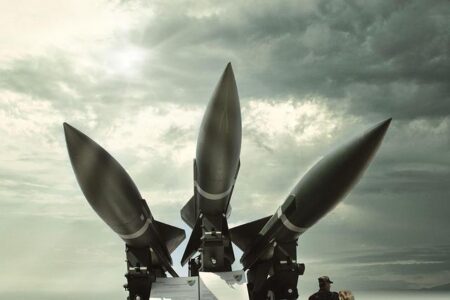
China has voiced strong opposition to Japan’s recent announcement to deploy missiles on a strategic island near Taiwan, escalating tensions in the already volatile East Asia region. The move, framed by Tokyo as a measure to bolster national security amid growing regional threats, has drawn sharp criticism from Beijing, which views the deployment as a provocative act undermining regional stability. This development marks a significant escalation in the ongoing security dynamics involving China, Japan, and Taiwan, raising concerns among international observers about the potential implications for peace and security in the Asia-Pacific.
China Condemns Japan’s Missile Deployment Plans Near Taiwan as Regional Tensions Escalate
China’s Foreign Ministry expressed strong opposition to Japan’s recent announcement to install missile defense systems on its southwestern islands, strategically located near Taiwan. Beijing labeled the move as a provocative act that undermines regional stability and exacerbates existing tensions in the East China Sea. Officials emphasized that such deployments represent a significant shift in Japan’s defense posture, which China perceives as aligning too closely with U.S. military interests in the Indo-Pacific region.
The decision has triggered concerns among security analysts, highlighting a growing arms race in the area. Japan argues the missile deployment is purely defensive, aimed at protecting its territory from potential threats. However, experts warn this could lead to:
- Increased military drills by China near Taiwan and Japanese waters
- Heightened risk of miscalculations between the involved countries
- Further diplomatic strain between Beijing and Tokyo
| Country | Position | Recent Action |
|---|---|---|
| Japan | Pro-defense buildup | Missile deployment on islands near Taiwan |
| China | Strong condemnation | Diplomatic protests and military alerts |
| Taiwan | Watchful concern | Increased readiness and international appeals |
Analyzing the Strategic Implications of Japan’s Military Moves in the East China Sea
Japan’s initiative to deploy missile systems on islands proximate to Taiwan represents a significant recalibration of the regional security landscape. This move underscores Tokyo’s intent to bolster its defensive perimeter amid increasing military assertiveness from neighboring powers. Analysts suggest that by reinforcing these strategic outposts, Japan aims to enhance early-warning capabilities and establish stronger deterrent signals against potential incursions in the East China Sea. Such deployments could influence the delicate balance of power, prompting a recalibration of military postures by other regional actors.
From a strategic perspective, the implications extend beyond immediate defense considerations. The deployment is likely to intensify diplomatic friction, potentially impacting ongoing dialogues about freedom of navigation and regional cooperation. Key factors in evaluating these moves include:
- Geopolitical signaling: Demonstrating Japan’s resolve in safeguarding territorial integrity.
- Alliance dynamics: Aligning with U.S. strategic interests in the Indo-Pacific.
- Military readiness: Enhancing rapid response capability in contested maritime zones.
| Aspect | Potential Impact |
|---|---|
| Regional Security | Heightened military vigilance and deterrence |
| Diplomatic Relations | Increased tensions with China, cautious responses from neighbors |
| Alliance Strengthening | Closer defense coordination with the U.S. and allies |
Experts Urge Diplomatic Dialogue to Prevent Further Destabilization in Taiwan Strait
Leading international analysts emphasize that escalating military posturing risks exacerbating tensions in an already volatile region. Diplomatic experts advocate for immediate and sustained dialogue among all parties to de-escalate hostilities and avoid misunderstandings that could lead to conflict. They warn that increased armament, especially missile deployments, may provoke a cycle of retaliation rather than fostering security.
Key recommendations from experts include:
- Establishing direct communication channels between Beijing, Tokyo, and Taipei
- Engaging multilateral forums to encourage transparency and confidence-building measures
- Prioritizing non-military solutions to longstanding disputes in the region
- Promoting international oversight to monitor military activities and prevent escalation
| Stakeholder | Primary Concern | Suggested Action |
|---|---|---|
| China | Regional sovereignty | Diplomatic talks, reduce military deployments |
| Japan | National security | Transparent defense policies, engage diplomatic channels |
| Taiwan | Self-defense capabilities | Maintain open dialogue, avoid provocative actions |
Future Outlook
As tensions continue to mount in the East Asia region, China’s strong condemnation of Japan’s missile deployment plan highlights the fragile security dynamics surrounding Taiwan. Analysts caution that any escalation could further destabilize an already volatile environment, underscoring the need for diplomatic engagement among all parties involved. The situation remains fluid, with developments likely to draw close international attention in the coming weeks.