
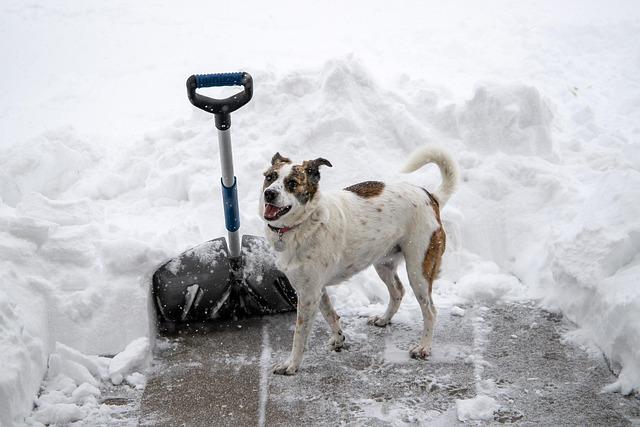
As winter storms blanket much of the country in snow, a common question arises among older adults and their families: When does shoveling snow become too risky? Heart experts weigh in on the potential dangers of this physically demanding chore, offering guidance on when age and health factors should prompt caution. In this article, USA Today explores the latest medical insights on shoveling safety for seniors, helping readers make informed decisions during the snowy season.
Age and Heart Health Risks Associated with Snow Shoveling
As the chill of winter approaches, snow shoveling often becomes a necessary task, but it’s not without its dangers, especially for older adults. Cardiologists warn that physical exertion during snow removal can significantly increase the risk of heart attacks, particularly for those over 50. The combination of cold temperatures and strenuous activity causes blood vessels to constrict and heart rate to spike, placing added strain on the cardiovascular system. This heightened risk is compounded by underlying conditions such as hypertension or a history of heart disease, which are more prevalent with advancing age.
Heart experts suggest that age alone isn’t the sole determiner, but rather overall health and fitness levels that matter most. That said, individuals above 65 should approach snow shoveling with extreme caution or opt for safer alternatives. Below is a quick reference to understand how age and heart health intersect with the risks of shoveling:
| Age Group | Heart Health Risk | Recommended Action |
|---|---|---|
| Under 50 | Low to Moderate | Regular shoveling with breaks |
| 50-65 | Moderate to High | Limit duration, monitor symptoms |
| 65 and older | High | Avoid shoveling, seek assistance |
- Warm up with light stretching before starting.
- Dress in layers to maintain body temperature.
- Take frequent breaks, especially if feeling tired or short of breath.
- Stay hydrated and avoid caffeine or nicotine before shoveling.
- Use ergonomic shovels to reduce strain on the body.
- Consider hiring help or using snow blowers if at high risk.
- Always listen to your body; stop immediately if experiencing chest pain or dizziness.
Recognizing Warning Signs and When to Stop Shoveling
Shoveling snow is a strenuous activity that places considerable stress on the heart, especially for older adults. Heart experts emphasize the importance of recognizing specific symptoms that signal when it’s time to stop immediately. Chest pain, shortness of breath, dizziness, or palpitations should never be ignored. These signs may indicate that the heart is working too hard or struggling to supply enough oxygen during physical exertion. Additionally, persistent fatigue, excessive sweating, and sudden weakness are critical indicators that warrant seeking medical attention without delay.
Beyond physical symptoms, individuals should pay close attention to their overall level of comfort while shoveling. If the activity feels unusually taxing or if breaks aren’t restoring energy levels, it’s a clear red flag. The following quick checklist can help determine when to quit:
- Persistent chest discomfort or heaviness
- Difficulty breathing beyond expected exertion
- Light-headedness or fainting sensation
- Sudden onset of pain radiating to arms, neck, or jaw
- Excessive sweating unrelated to weather or effort
| Warning Sign | Recommended Action |
|---|---|
| Chest Pain | Stop immediately and seek emergency care |
| Shortness of Breath | Rest and monitor closely; consult a doctor if persistent |
| Dizziness | Stop shoveling and sit down; seek medical advice if recurring |
| Excessive Fatigue | Take frequent breaks; avoid further shoveling if feeling weak |
Expert Recommendations for Safe Snow Removal Practices
Maintaining safety during snow removal is paramount, especially for older adults who face a higher risk of heart strain. Medical professionals strongly advise that individuals over 60 years old consult with their healthcare providers before engaging in any strenuous winter activities. Experts emphasize the importance of pacing oneself by taking frequent breaks and avoiding heavy lifting in one go. Using ergonomic snow shovels with adjustable handles can reduce back strain and enhance leverage, minimizing the effort needed to clear snow.
In addition to proper equipment, heart specialists recommend adopting safe warm-up routines and avoiding shoveling immediately after waking, when blood pressure tends to be higher. It’s also critical to be aware of symptoms like chest pain, shortness of breath, or dizziness, signaling to stop and seek medical help. Below is a quick reference guide outlining the essential do’s and don’ts, helping seniors approach snow removal with caution and confidence:
- Do warm up with light stretches before shoveling
- Don’t rush or overexert yourself
- Do use smaller loads of snow per scoop
- Don’t shovel when feeling fatigued or unwell
- Do dress in layers to stay warm without overheating
- Don’t ignore warning signs of physical distress
| Tip | Reason |
|---|---|
| Stretch Before Starting | Prepares muscles and reduces injury risk |
| Shovel Small Amounts | Limits sudden strain on the heart |
| Take Frequent Breaks | Allows heart rate to stabilize |
| Stay Hydrated | Prevents dehydration even in cold weather |
The Way Forward
As winter storms continue to blanket many parts of the country, understanding the risks associated with shoveling snow-especially for older adults-is more important than ever. Heart experts caution that age alone shouldn’t dictate when to stop, but rather an individual’s overall health and cardiovascular risk factors should guide decisions. Ultimately, prioritizing safety, seeking medical advice, and considering alternatives like hiring help or using snow removal equipment can help prevent potentially life-threatening incidents. Staying informed and prepared ensures that winter’s challenges don’t become dangerous health hazards.