
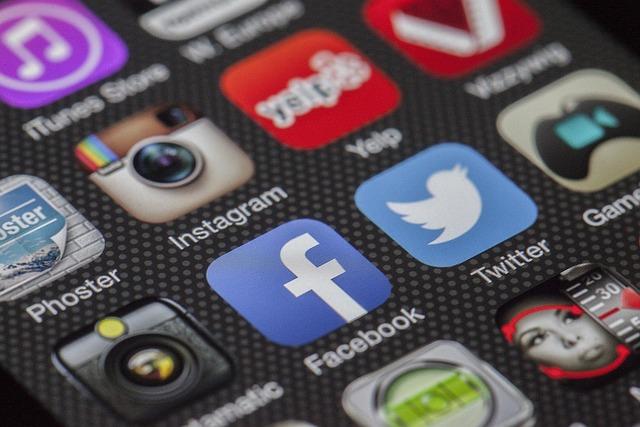
Australia has officially implemented its landmark social media ban restricting access for users under the age of 16, marking one of the world’s strictest moves to regulate youth online activity. Coming into force this week, the new law mandates that major social media platforms verify the age of users before granting access, aiming to protect children from harmful content and digital exploitation. Experts warn that Australia’s pioneering legislation could set a precedent, prompting governments worldwide to adopt similar stringent measures in the ongoing global debate over online safety and digital privacy. This article explores the implications of Australia’s social media ban and why it may signal the start of a broader international crackdown on underage internet use.
Australia Implements Social Media Age Restriction to Protect Young Users
Starting this month, Australia has enforced a stringent age verification system requiring social media platforms to block users under the age of 16 unless parental consent is obtained. This groundbreaking regulation aims to curb online harms such as cyberbullying, exposure to inappropriate content, and the excessive screen time seen among younger users. Platforms failing to comply could face heavy fines, signaling the government’s serious commitment to protecting children’s digital wellbeing.
Experts suggest that Australia’s move may inspire similar legislations worldwide, prompting a global reassessment of youth access to social networks. Key implications include:
- Increased digital safety standards across platforms targeting young audiences
- Enhanced accountability for tech companies in user data verification
- Potential shifts in advertising strategies towards older demographics
| Country | Current Age Restriction | Potential Impact |
|---|---|---|
| Australia | 16 Years | New enforcement, strict compliance |
| United States | 13 Years | Possible regulatory review |
| United Kingdom | 13 Years | Debate over raising age limit |
Potential Global Ripple Effects of Australia’s Under 16 Social Media Ban
Australia’s decisive move to limit social media access for users under the age of 16 is sparking conversations far beyond its borders. Experts predict this policy could serve as a blueprint for other nations grappling with youth mental health concerns and digital privacy issues. Governments around the globe are now evaluating the efficacy of implementing similar age restrictions, which might usher in a new wave of regulatory frameworks targeting social media giants. Such a shift could fundamentally alter user engagement patterns and platform operations worldwide.
Potential international impacts include:
- Increased pressure on platforms like TikTok, Instagram, and Snapchat to enhance underage verification systems.
- Heightened collaboration between governments and tech companies to enforce age-appropriate content filters.
- Standardization of youth digital safety laws across regions, with stricter penalties for non-compliance.
| Country | Current Youth Social Media Policy | Likely Action Post-Australia Ban |
|---|---|---|
| UK | Self-regulated age limits | Consider mandatory age verification laws |
| USA | Children’s Online Privacy Protection Act (COPPA) | Expand to require age bans or restrictions |
| India | Intermittent platform bans | Likely tighten regulations and enforce digital literacy |
| EU | General Data Protection Regulation (GDPR) with youth focus | Push for uniform social media bans under 16 |
Experts Recommend Comprehensive Digital Literacy Programs Alongside Age Limits
As Australia enforces the social media ban for users under sixteen, experts have highlighted the need for more than just age-based restrictions to address digital safety. They argue that comprehensive digital literacy programs are vital in equipping young users with critical skills to navigate online spaces responsibly. Awareness campaigns that educate children, parents, and educators on privacy, misinformation, and online etiquette are seen as essential complements to age limits. Without these foundational efforts, restricting access alone may offer only a temporary shield rather than fostering long-term resilience.
Specialists emphasize a multi-layered approach, combining legislative measures with educational initiatives. Some propose integrating tailored curricula into schools, covering:
- Identifying trustworthy sources
- Understanding data privacy
- Recognizing cyberbullying and digital harassment
- Practicing healthy screen habits
| Program Element | Focus Area | Expected Outcome |
|---|---|---|
| Interactive Workshops | Critical Thinking | Improved content evaluation |
| Parental Guidance Modules | Supervision Techniques | Enhanced monitoring skills |
| Online Safety Campaigns | Privacy Awareness | Stronger personal data protection |
In Retrospect
As Australia implements its landmark social media ban for users under 16, the move marks a significant shift in digital regulation aimed at protecting young users from online harm. Observers worldwide are closely watching the policy’s rollout, with many anticipating that other nations could adopt similar measures in the pursuit of enhanced online safety. While the full impact of the ban remains to be seen, Australia’s bold stance may well serve as a catalyst for a broader, global crackdown on youth access to social media platforms.