
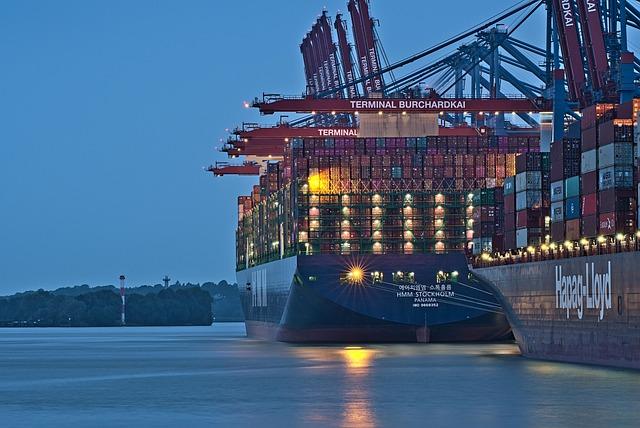
India has formally proposed a new trade agreement aimed at addressing the significant tariff increases recently imposed by Mexico, sources told Reuters. The move comes amid escalating tensions over trade barriers that threaten to impact bilateral commerce between the two countries. India’s initiative seeks to restore smoother market access and bolster economic ties, as both nations navigate the challenges posed by shifting tariff policies.
India Unveils Strategic Trade Proposal Amid Rising Mexican Tariffs
India has put forward a comprehensive trade agreement aimed at mitigating the impact of Mexico’s recent sharp increase in tariffs on key imported goods. This strategic move seeks to protect Indian exporters, particularly in sectors heavily affected by the new levies, such as textiles, pharmaceuticals, and automobile components. Highlighting economic resilience, India’s proposal emphasizes fostering mutual growth through reduced trade barriers, streamlined customs procedures, and enhanced cooperation in innovation and technology transfer.
The negotiation framework outlines several critical objectives, including:
- Tariff Reductions: Agreed timeline for gradual cutting of Mexican tariffs on Indian goods.
- Market Access: Expansion of Indian companies’ access to Mexican distribution channels.
- Dispute Resolution: Establishment of a bilateral mechanism to swiftly address trade disagreements.
| Sector | Previous Tariff | New Tariff | Proposed Reduction % |
|---|---|---|---|
| Textiles | 10% | 25% | 15% |
| Pharmaceuticals | 5% | 20% | 10% |
| Automobile Parts | 8% | 22% | 12% |
Analyzing Economic Impact of Mexico’s Tariff Increase on Indian Exports
The recent tariff increase imposed by Mexico has sent ripples across several key sectors within the Indian export market. Sectors such as automotive components, pharmaceuticals, and textiles have faced significant cost escalations, resulting in a sharp decline in their competitiveness in the Mexican market. The tariff surge, which ranges between 15% and 30%, threatens to erode years of growth and market penetration that Indian exporters have painstakingly built in Latin America’s second-largest economy.
Key impacts on Indian exporters include:
- Reduction in export volumes due to elevated prices.
- Supply chain disruptions as businesses seek alternative markets.
- Increased pressure on profit margins amid heightened trade barriers.
| Sector | Previous Tariff | New Tariff | Estimated Export Loss (%) |
|---|---|---|---|
| Automotive Components | 5% | 20% | 18% |
| Pharmaceuticals | 3% | 15% | 12% |
| Textiles | 7% | 25% | 22% |
Experts Advise Enhanced Bilateral Negotiations to Safeguard Trade Interests
In response to Mexico’s recent sharp tariff hike, specialists emphasize the necessity for strengthened bilateral negotiations to protect the trade interests of both nations. Industry experts argue that relying solely on reactive measures is insufficient, advocating instead for proactive dialogue to establish transparent frameworks and prevent future escalations. This approach prioritizes mutual benefits and long-term stability over short-term remedies.
Key recommendations from analysts include:
- Establishing joint trade committees to monitor tariff impacts and resolve disputes efficiently.
- Implementing periodic reviews to adapt agreements in response to evolving economic conditions.
- Enhancing communication channels between policymakers and industry stakeholders to foster trust.
| Negotiation Focus | Suggested Action | Expected Outcome |
|---|---|---|
| Tariff Reduction | Gradual tariff rollback schedule | Smooth trade flow restoration |
| Dispute Resolution | Creation of an arbitration panel | Faster conflict resolution |
| Market Access | Expand sector-specific trade quotas | Broader export opportunities |
Closing Remarks
As India moves to counter Mexico’s sharp tariff increases through a proposed trade deal, both nations stand at a critical juncture that could reshape bilateral economic ties. The outcome of these negotiations will not only influence trade flows but also signal the respective countries’ commitment to navigating protectionist pressures in a rapidly evolving global marketplace. Stakeholders and observers alike will be watching closely as discussions unfold in the coming months.