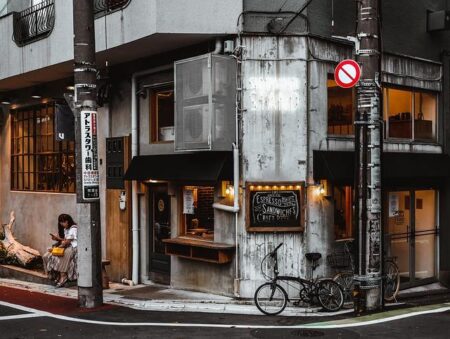

In a recent firsthand account, a traveler reflects on their week-long visit to Japan, revealing key insights on missteps and missed opportunities during the trip. From unexpected money pitfalls to overlooked cultural experiences, the article highlights six critical lessons that could have transformed the journey. These reflections not only offer practical advice for future visitors but also shed light on the complexities of navigating Japan’s unique travel landscape.
Unexpected Cultural Experiences That Slipped Through the Cracks
During my whirlwind trip, several cultural nuances subtly slipped past my radar, leading to moments of unexpected confusion and missed opportunities to fully immerse myself. For instance, I underestimated the importance of removing shoes before entering traditional establishments, a simple custom that instantly connects locals and visitors to a deeper respect for the space. Additionally, the subtle art of bowing-its depth and duration reflecting social hierarchy-was something I barely grasped, missing chances to strengthen connections with hosts and shopkeepers alike. Small gestures matter in Japan’s unspoken social contracts, and overlooking these rituals can unintentionally create distance.
Another overlooked aspect was the extensive politeness embedded in everyday communication. Simple exchanges at convenience stores and eateries are layered with formalities and humility, which I initially found perplexing. Also, I failed to explore local neighborhood festivals, missing vibrant displays of community spirit and traditional performances, which aren’t always highlighted in tourist guides. Here’s a quick look at some cultural experiences often overshadowed or misunderstood:
- Seasonal gift-giving customs (Ochugen and Oseibo) – essential for building long-term relationships
- Silent gratitude expressed by a nod or a soft “sumimasen” (excuse me/sorry)
- Onsen etiquette, including not entering hot springs with tattoos
- Public transportation manners, such as avoiding phone calls on trains
- Convenience store rituals, like placing money gently on the counter instead of handing it directly
| Custom | What I Missed | Impact |
|---|---|---|
| Bowing | Didn’t adjust bow depth for formality | Could feel less respectful to locals |
| Gift Giving | Skipped seasonal gifts | Lost chance to connect socially |
| Onsen Visit | Went to a tattoo-restricted bath | Had to leave early |
| Train Etiquette | Called on phone quietly | Slightly disturbed passengers |
| Conbini Money Handling | Handed cash directly | Perceived as slightly inconsiderate |
How Mismanaging Transportation Costs Impacted My Budget
What caught me off guard the most was how quickly transportation expenses spiraled out of control. Rather than securing a reliable rail pass in advance, I resorted to purchasing individual tickets on the go, which turned out to be far more expensive. Tokyo’s sprawling metro system might seem straightforward, but without a pre-planned itinerary or a transportation card, I found myself wasting time and money. This lack of preparation not only drained my budget but also left me too exhausted to fully enjoy the city. What I underestimated was the cumulative cost of last-minute taxis and express trains for catching up when plans went awry.
Had I factored in a simple budgeting strategy for transportation, I would have avoided unnecessary overspending that impacted my overall trip finances. Using passes like the JR Pass or day subway cards would have capped daily expenses and allowed for greater flexibility. Here’s a quick breakdown of what I ended up spending vs. what I could have saved:
| Transport Type | Actual Cost (Â¥) | Estimated Cost with Pass (Â¥) | Potential Savings (Â¥) |
|---|---|---|---|
| Individual Metro Tickets | 5,000 | 3,000 | 2,000 |
| Taxi rides | 7,500 | 2,500 | 5,000 |
| Shinkansen (express train) | 12,000 | 8,000 | 4,000 |
Essential Tips for Maximizing Your Japan Trip Without Overspending
Traveling to Japan on a budget doesn’t mean you have to sacrifice the authentic experiences that make the trip memorable. One strategic approach is to focus on local dining options instead of high-end restaurants. Convenience stores like Lawson and FamilyMart offer surprisingly tasty and affordable meals that still provide a taste of Japanese culture. Additionally, purchasing a Japan Rail Pass ahead of time can significantly reduce transportation costs, especially if you plan to explore beyond Tokyo. Avoiding taxis and opting for public transit not only saves money but also immerses you in the daily rhythm of Japanese life.
When it comes to sightseeing, many of Japan’s top attractions are either free or inexpensive, especially if you plan your visit on certain days when museums and temples offer discounts. Consider carrying a prepaid IC card (Suica or Pasmo) for hassle-free travel and small purchases, avoiding unnecessary cash withdrawals and fees. Here are some quick must-dos to stretch your yen further:
- Visit free parks and gardens: Ueno Park and Shinjuku Gyoen are excellent spots without an entrance fee.
- Explore street food markets: Experience local flavors without the restaurant markup.
- Utilize coin lockers: Store your luggage cheaply and move around stress-free.
- Shop at 100-yen stores: For souvenirs and travel essentials without overspending.
| Expense Category | Average Daily Cost | Money-Saving Tip |
|---|---|---|
| Accommodation | Â¥7,000 – Â¥12,000 | Book hostels or business hotels in advance |
| Food | Â¥2,000 – Â¥4,000 | Eat at convenience stores or izakayas |
| Transportation | Â¥1,000 – Â¥3,000 | Use JR Pass and IC Cards |
To Wrap It Up
In reflecting on a week-long visit to Japan, it becomes clear that even well-planned trips can come with unexpected challenges and missed opportunities. From overlooked cultural experiences to costly missteps, these six lessons offer valuable insights for future travelers aiming to make the most of their journey. By learning from these firsthand reflections, visitors to Japan can better navigate the country’s unique landscape, ensuring a richer and more cost-effective experience.