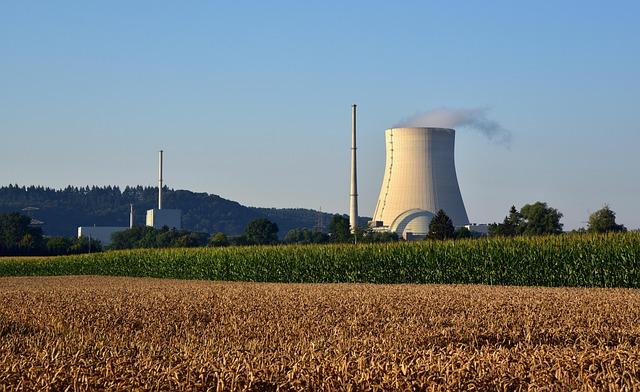
Japan is set to restart the world’s largest nuclear power plant, marking a significant step nearly 15 years after the devastating Fukushima disaster. The move underscores the country’s efforts to balance energy security and environmental goals amid rising global energy concerns. As the plant prepares to come back online, authorities emphasize stringent safety measures to prevent a repeat of past tragedies, signaling a new chapter in Japan’s energy landscape.
Japan Advances Restart of World’s Largest Nuclear Plant Boosting Energy Security
Japan is moving forward with the highly anticipated restart of its colossal nuclear complex, marking a pivotal effort to revitalize the nation’s energy framework nearly 15 years after the catastrophic Fukushima disaster. The plant, renowned as the world’s largest nuclear facility, promises not only to enhance energy security but also to significantly reduce reliance on fossil fuels amid global pressures to transition to greener power sources. This strategic move comes amid increasing concerns about energy supply stability and economic resilience in an era of geopolitical uncertainty.
Key factors driving this initiative include:
- Advanced safety upgrades implemented to meet stringent post-Fukushima regulations.
- Government support emphasizing nuclear power as an integral part of the country’s energy mix.
- Economic benefits by lowering energy costs and creating skilled job opportunities.
- Global climate commitments pushing for a reduction in carbon emissions.
| Plant Capacity (MW) | Estimated Restart Year | Post-Upgrade Safety Features |
|---|---|---|
| 7,965 | 2024 | Seismic reinforcement, Flood barriers, Automated shutdown systems |
Safety Upgrades and Regulatory Overhauls Implemented Since Fukushima Disaster
In the wake of the 2011 Fukushima disaster, Japan undertook a comprehensive overhaul of its nuclear safety protocols, setting new global standards for reactor security and crisis management. The revamped framework mandates stricter safety assessments, enhanced emergency response capabilities, and robust disaster mitigation measures. Operators are now required to implement multiple physical barriers and reinforce containment structures to withstand extreme natural events, including earthquakes and tsunamis.
Key improvements include:
- Installation of advanced quake-resistant foundations to bolster structural integrity
- Introduction of flexible power backup systems, ensuring cooling mechanisms function even during blackouts
- Enhanced real-time monitoring technologies for early detection of anomalies
- Mandatory scenario-based emergency drills with local communities
| Upgrade Aspect | Pre-Fukushima | Post-Fukushima |
|---|---|---|
| Seismic Safety | Basic standards | Enhanced, site-specific design |
| Backup Power Systems | Single backup line | Multiple redundant systems |
| Emergency Protocols | Minimal drills | Mandatory, frequent drills |
Experts Urge Continued Transparency and Community Engagement Ahead of Reactor Reopening
As Japan moves closer to restarting its largest nuclear facility, experts emphasize the critical role of ongoing transparency and proactive communication with local communities. The lessons from the 2011 Fukushima disaster continue to shape policies, with authorities pledging to provide detailed, real-time updates on safety measures, reactor inspections, and emergency preparedness plans. Specialists argue that fostering trust through open dialogue will be essential in alleviating public concerns and ensuring that residents remain informed about all operational aspects of the plant.
Community engagement initiatives include town hall meetings, educational workshops, and accessible digital platforms to facilitate two-way communication. Stakeholders are urged to maintain a clear focus on:
- Regular dissemination of safety data and environmental monitoring results
- Prompt addressing of community questions and concerns
- Collaboration with independent safety auditors and nuclear experts
- Continuous emergency response training involving local authorities and residents
| Key Focus Areas | Current Status |
|---|---|
| Safety Inspection Completion | 98% |
| Community Workshops Held | 12 Sessions |
| Emergency Drills Conducted | 5 Drills |
| Public Feedback Received | 350+ Submissions |
Concluding Remarks
As Japan moves closer to restarting the world’s largest nuclear power plant, the decision marks a significant moment in the nation’s energy policy-balancing the need for stable, low-carbon energy sources against enduring safety concerns rooted in the 2011 Fukushima disaster. The restart underscores Japan’s efforts to reduce reliance on fossil fuels while navigating public apprehension and regulatory scrutiny. Observers around the world will be watching closely as the plant resumes operations, signaling a new chapter in the country’s complex relationship with nuclear energy.