

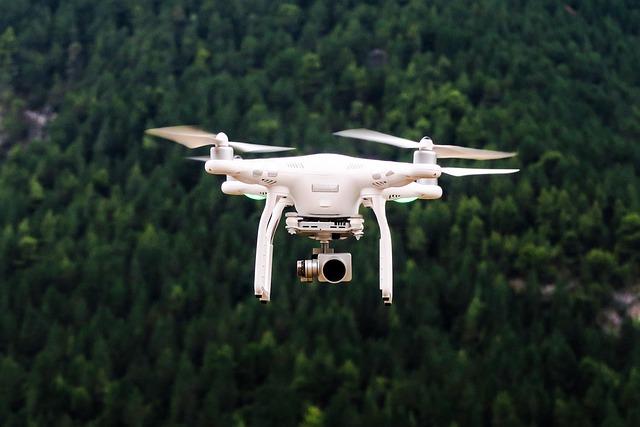
Germany has reported over 1,000 suspicious drone flights within its airspace in recent months, prompting heightened security measures by national agencies. As the frequency of unauthorized drone activity rises, officials are ramping up surveillance and defense mechanisms to safeguard critical infrastructure and public safety. This surge comes amid growing concerns across Europe over the potential misuse of drone technology, leading Germany and other EU nations to strengthen their aerial security protocols.
Germany Faces Surge in Suspicious Drone Activity Prompting Heightened Security Measures
The recent spike in unauthorized drone operations across Germany has raised alarms within national security circles, with over 1,000 suspicious drone flights logged in just the past quarter. Authorities attribute these activities to a range of potential threats, including espionage, smuggling, and even possible terrorist reconnaissance. In response, federal and local agencies have increased surveillance efforts, implemented no-fly zones around critical infrastructure, and deployed counter-drone technology at key border points and urban centers.
Security officials are now collaborating closely with aviation regulators and private sector partners to develop real-time tracking and identification systems. Key measures include:
- Enhanced radar detection networks covering high-risk areas
- Rapid interdiction teams equipped with jamming devices and drone capture nets
- Public awareness campaigns urging citizens to report unusual drone sightings
| Region | Suspicious Flights | Countermeasures Deployed |
|---|---|---|
| Berlin | 320 | Radar upgrades, Jamming devices |
| Bavaria | 215 | Interdiction teams, Public alerts |
| Hamburg | 185 | Tracking systems, No-fly zones |
| North Rhine-Westphalia | 290 | Radar upgrades, Jamming devices |
Analyzing the Threat Landscape and Implications for National and EU Security
The surge in suspicious drone activity across Germany marks a significant escalation in the complexity of current security challenges facing both national and European Union authorities. Over 1,000 unauthorized drone flights have been recorded in recent months, signaling the growing use of unmanned aerial systems (UAS) as potential tools for surveillance, espionage, or disruptive actions. This trend not only exposes vulnerabilities in airspace control but also underlines the necessity for enhanced real-time threat detection and rapid response mechanisms within critical infrastructure sectors.
Security agencies are now compelled to recalibrate their strategies, factoring in the multifaceted nature of drone threats which range from small-scale intrusions to coordinated attacks. Key implications include:
- Heightened cross-border intelligence sharing to track drone origins and intent across EU nations.
- Investment in cutting-edge counter-UAS technologies such as jamming, tracking, and intercept systems.
- Updated regulatory frameworks to govern drone operations, enforce no-fly zones, and impose stricter licensing requirements.
| Threat Vector | Potential Impact | Mitigation Measure |
|---|---|---|
| Unauthorized Surveillance | Leak of sensitive info | Enhanced radar & AI monitoring |
| Payload Delivery | Physical damage & sabotage | Anti-drone interception systems |
| Smuggling Contraband | Border security breach | Increased drone patrols |
Strategic Recommendations for Enhancing Drone Detection and Countermeasures Across Europe
To effectively counter the mounting frequency of suspicious drone flights, a unified approach across European member states is imperative. Leveraging advanced detection technologies such as AI-powered radar systems and multi-sensor fusion can significantly enhance early identification capabilities. Furthermore, establishing interoperable communication networks allows real-time data sharing among security agencies, ensuring swift coordinated responses. Emphasizing proactive intelligence gathering and routine drone traffic analysis will also help preempt potentially hostile incursions before they materialize.
Policy frameworks must evolve to integrate civilian and military countermeasures, balancing privacy and safety concerns. Key strategic actions include:
- Mandatory registration and tracking of all commercial drones across borders
- Investment in electronic counter-drone systems capable of neutralizing unauthorized devices without collateral harm
- Cross-border regulatory standards to streamline licensing, operational zones, and incident reporting
- Public awareness campaigns to encourage reporting of suspicious drone activity
| Countermeasure | Effectiveness | Implementation Scope |
|---|---|---|
| AI-Enhanced Radar Systems | High | National & Cross-border |
| Electronic Jamming Devices | Medium | Localized Hotspots |
| To Wrap It Up As Germany continues to grapple with the rising number of suspicious drone flights, the urgency for enhanced surveillance and stricter regulations has never been greater. With over 1,000 incidents recorded, security agencies remain on high alert, implementing advanced measures to safeguard critical infrastructure and public safety. This unfolding challenge underscores the broader need for coordinated efforts across the EU to address the evolving threats posed by unmanned aerial systems in an increasingly interconnected world.  Olivia Williams A documentary filmmaker who sheds light on important issues. Related Posts   |