
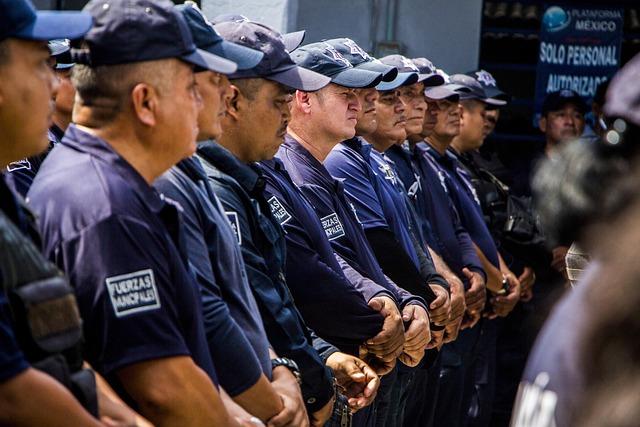
In a significant move set to reshape international travel dynamics, Canada has joined a growing list of countries-including Mexico, Brazil, Jamaica, Colombia, the Bahamas, and Argentina-facing tougher U.S. visa regulations starting in 2025. The new measures, which introduce stricter entry requirements and heightened border security, come as part of the United States’ broader efforts to enhance national security and manage immigration more effectively. These changes are expected to impact millions of travelers and have wide-ranging implications for tourism and cross-border relations across the Americas.
Canada Faces New Challenges Amid Tougher US Visa Regulations in 2025
As the United States tightens its visa regulations in 2025, Canada, alongside nations such as Mexico, Brazil, and Colombia, faces unprecedented complexities in facilitating cross-border travel. These updated measures emphasize enhanced security protocols, rigorous background checks, and more stringent documentation requirements for applicants. Travel agencies, business professionals, and tourists alike will need to adapt swiftly to these changes to ensure compliance and minimize disruption. The ripple effect is already being observed in the tourism sector, with preliminary reports indicating longer processing times and increased scrutiny at entry points.
The new US framework introduces a series of heightened entry requirements designed to curb irregular migration and bolster national security. Key elements include:
- Mandatory biometric data submissions for all visa applicants
- Extended interview durations and additional security clearances
- Expanded no-fly and watchlist integration across border agencies
Below is a quick comparison of visa processing timelines before and after the 2025 regulations:
| Visa Category | Processing Time 2024 | Estimated Processing Time 2025 |
|---|---|---|
| Tourist Visa | 15 days | 30-45 days |
| Business Visa | 10 days | 25-40 days |
| Student Visa | 20 days | 40-60 days |
Impact of Enhanced US Border Security on Travel From Mexico Brazil and Caribbean Nations
The recent tightening of US border security has significantly shifted travel dynamics for visitors originating from Mexico, Brazil, and Caribbean nations. Travelers are encountering more rigorous screening processes, including enhanced biometric checks and extended documentation requirements, which have led to longer wait times at entry points. These changes not only affect tourist influx but also disrupt established business and cultural exchanges. Airlines and travel agencies report a cautious approach to bookings as travelers adjust to the new protocols, often necessitating earlier arrivals at airports and additional preparation to meet the stringent standards.
Among the notable impacts is the introduction of stricter visa vetting criteria, with consulates focusing on detailed background checks and proof of strong ties to home countries to mitigate overstay risks. Key challenges faced by travelers include:
- Mandatory advanced appointment scheduling for visa interviews.
- Increased frequency of secondary inspections upon entry.
- Heightened verification of travel itineraries and financial documentation.
These measures collectively underscore the US government’s commitment to reinforcing border integrity while inevitably complicating travel plans for many. Stakeholders in the tourism sector urge prospective visitors to stay informed and prepare thoroughly to navigate these evolving requirements successfully.
| Country | Visa Approval Rate 2023 | Estimated Delay Increase (%) |
|---|---|---|
| Mexico | 76% | 25% |
| Brazil | 68% | 30% |
| Jamaica | 72% | 28% |
| Bahamas | 70% | 22% |
Key Strategies for Travelers and Tour Operators to Navigate Stricter US Entry Requirements
In response to the elevated US entry requirements in 2025, travelers and tour operators must adopt a proactive approach to minimize disruptions. Essential strategies include early visa application submissions to counteract extended processing times, as well as meticulous preparation of documentation to meet the intensified screening criteria. It’s advisable for travelers to maintain updated travel histories and financial records, highlighting compliance with prior US visits. Operators, meanwhile, should implement enhanced communication channels to keep clients informed about evolving regulations and potential delays.
Collaboration between travelers and service providers becomes paramount to navigating these challenges efficiently. Critical measures include:
- Comprehensive Pre-Screening: Verifying document authenticity before submission to reduce rejection risks.
- Flexible Itinerary Planning: Incorporating buffer days to accommodate unforeseen entry hold-ups.
- Use of Trusted Travel Agents: Leveraging their expertise in handling complex visa procedures.
- Monitoring Border Updates: Staying informed on security protocols through official US Department of Homeland Security advisories.
| Strategy | Benefit |
|---|---|
| Early Visa Application | Reduces last-minute processing pressure |
| Document Preparation | Enhances chances of timely clearance |
| Buffer Days in Itinerary | Prevents missed connections and stress |
| Frequent Regulatory Monitoring | Keeps travelers informed and compliant |
The Way Forward
As the United States rolls out these heightened visa regulations and reinforced border security measures in 2025, travelers from Canada, Mexico, Brazil, Jamaica, Colombia, the Bahamas, Argentina, and other affected nations face a new landscape of entry requirements. This move reflects broader shifts in U.S. immigration and security policies aimed at tightening control while balancing the complexities of international travel and diplomacy. Stakeholders in the travel and tourism sectors, as well as prospective visitors, will need to stay informed and prepared for the evolving procedures that could impact cross-border movement in the coming year.