
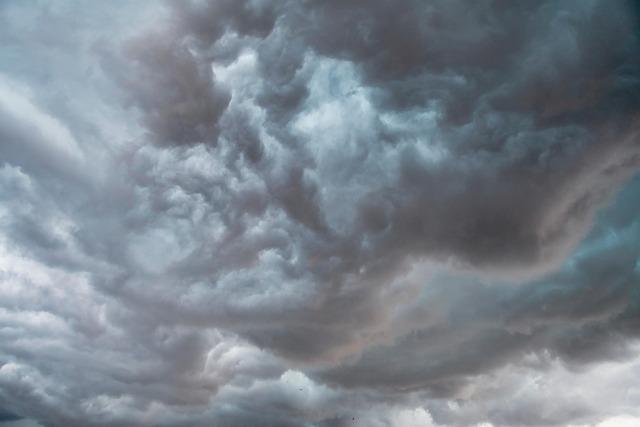
A powerful storm swept through northern Argentina yesterday, unleashing unusually large hailstones that caused significant damage across several provinces. WeatherBug meteorologists reported that the severe weather system produced hail measuring up to several centimeters in diameter, disrupting transportation and damaging crops and property. Authorities are assessing the extent of the impact as residents cope with the aftermath of the intense storm.
Storm Brings Large Hail to North Argentina Causing Significant Damage
A fierce storm swept across north Argentina late Tuesday, unleashing large hailstones that battered homes, vehicles, and crops. Eyewitnesses in provinces like Salta and Jujuy reported hailstones reaching the size of golf balls, causing roofs to collapse and shattering car windows. Local emergency services have been deployed to assist residents dealing with power outages and blocked roads due to fallen debris. The agricultural sector was notably affected, with early assessments indicating widespread damage to soybean and maize fields.
Authorities have issued warnings urging residents to stay indoors and avoid unnecessary travel as unpredictable weather conditions persist. The storm rapidly developed due to a convergence of humid air masses and strong winds, a phenomenon meteorologists are closely monitoring for possible recurrence. Below is a summary of the reported damage by region:
| Province | Estimated Damages | Emergency Response |
|---|---|---|
| Salta | 1200+ homes partially damaged | Road clearance teams deployed |
| Jujuy | Agricultural losses ~ $3M | Power restoration underway |
| Formosa | Vehicle damage from hailstones | Temporary shelters opened |
- Travel advisories: Avoid non-essential travel through affected zones.
- Safety tips: Seek shelter indoors; protect vehicles if possible.
- Updates: Follow local authorities for real-time weather alerts.
Meteorologists Explain the Unusual Weather Patterns Behind the Hailstorm
Recent meteorological analyses point to a confluence of atmospheric dynamics that triggered the severe hailstorm impacting northern Argentina. Experts highlight that an unusually warm air mass combined with moist conditions from the Amazon Basin created an unstable environment in the lower atmosphere. This instability, paired with a sharp temperature gradient at higher altitudes, fostered the rapid formation of strong updrafts within developing cumulonimbus clouds. These powerful updrafts are responsible for suspending water droplets high enough to freeze and grow into hailstones before eventually being forced to the ground.
Key factors involved in the storm formation included:
- High humidity levels exceeding 80% at low altitudes
- Strong surface heating due to prolonged sunlight exposure
- Wind shear that intensified cloud rotation and growth
- Presence of a cold front advancing rapidly from the south
| Parameter | Observed Value | Normal Range |
|---|---|---|
| Surface Temperature | 33°C | 25°C – 30°C |
| Relative Humidity | 85% | 60% – 75% |
| Wind Speed (surface) | 20 km/h | 10 km/h – 15 km/h |
| Cloud Altitude | 12,000 m | 8,000 m – 10,000 m |
Meteorologists warn that these atypical weather patterns could become more frequent with ongoing climate variations, emphasizing the need for improved forecasting technologies and community preparedness to mitigate future storm impacts in the region.
Safety Measures and Precautions for Residents Facing Severe Hail Conditions
Residents in hail-prone areas are urged to take immediate precautions to minimize risk and property damage. Secure all outdoor items such as garden furniture, vehicles, and trash bins to prevent them from becoming dangerous projectiles. If caught outside during a hailstorm, seek shelter immediately in a sturdy building or vehicle-avoid taking cover under trees or flimsy structures. For those driving, pull over safely and protect your face and head from hail impact using blankets or clothing if possible.
Essential preparations include:
- Reinforce windows and doors with storm shutters or plywood
- Keep emergency kits stocked with first-aid supplies and flashlights
- Always monitor weather alerts via trusted sources like WeatherBug
- Develop a family emergency plan outlining safe locations within the home
Below is a quick reference table illustrating ideal actions during different hail intensities:
| Hail Size | Recommended Action |
|---|---|
| Pea-sized (under 1 cm) | Stay indoors; secure small outdoor items |
| Golf ball-sized (2-3 cm) | Use window protection; move vehicles to covered areas |
| Baseball-sized (4-7 cm) | Seek shelter immediately; avoid driving |
| Larger than baseball | Take cover in basement/bunker; emergency services may be delayed |
Key Takeaways
As North Argentina recovers from the severe storm that brought unusually large hail, authorities continue to assess the extent of the damage and provide support to affected communities. Meteorologists emphasize the importance of monitoring weather alerts as such extreme weather events become increasingly frequent. WeatherBug will keep readers updated with the latest developments and safety recommendations as the situation evolves.