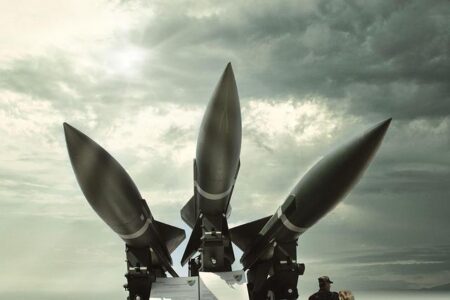
Chinese military drills around Taiwan have resumed for a second consecutive day, signaling Beijing’s intensified warning to so-called “external forces” against interference in what it considers a sovereign matter. The ongoing exercises, characterized by increased naval and air maneuvers near the Taiwan Strait, underscore rising tensions in the region amid heightened diplomatic and military activity. The Associated Press reports that these drills are part of China’s broader strategy to assert its claims over Taiwan and deter foreign involvement, as cross-strait relations remain fraught with geopolitical risks.
Chinese Military Drills Around Taiwan Continue Amid Rising Regional Tensions
Chinese forces have intensified their military presence around Taiwan for the second consecutive day, conducting a series of live-fire exercises and naval maneuvers. These operations are officially described as a stern warning to “external forces” perceived to interfere in China’s sovereign affairs. Analysts note that the drills demonstrate Beijing’s growing capability to project power in the Taiwan Strait amid escalating diplomatic friction and increased foreign military activity in the region.
The ongoing exercises feature a combination of air sorties, missile launches, and amphibious landing simulations targeting strategic points near Taiwan’s maritime boundaries. The ballistics and naval assets deployed highlight China’s readiness to enforce its claims over the island. Below is a summary of the principal activities recorded in the latest drills:
- Air Operations: Over 50 sorties by fighter jets and bombers
- Naval Drills: Deployment of frigates, destroyers, and submarines
- Missile Tests: Launch of short- and medium-range ballistic missiles
- Amphibious Exercises: Simulated beach landings with marine units
| Drill Component | Duration | Purpose |
|---|---|---|
| Air Strike Simulations | 3 hours | Showcasing quick-reaction capability |
| Naval Blockade | 5 hours | Testing maritime interdiction strategies |
| Missile Launch Drills | 2 hours | Demonstrating precision strike potential |
Analysis of Beijing’s Message to External Powers Through Extended Naval Exercises
Beijing’s extended naval exercises around Taiwan represent a deliberate strategic signal aimed at deterring foreign involvement in the Taiwan Strait. By conducting these drills over consecutive days, Chinese military leaders emphasize their readiness to escalate operations if perceived provocations arise from external powers. This persistent display of naval strength functions both as a warning and as a demonstration of China’s commitment to asserting its claims over Taiwan, amid growing international attention and military presence from the United States and its allies.
The choice to prolong the exercises and the specific deployment of advanced naval assets underline several key messages:
- Deterrence: Showcase capabilities to dissuade intervention by signaling high operational readiness and technical proficiency.
- Political Messaging: Reinforce sovereignty claims and frame foreign involvement as a direct threat to regional stability.
- Force Projection: Illustrate an ability to sustain prolonged maritime operations, signaling a shift from short-term posturing to a more enduring presence.
| Aspect | Implication |
|---|---|
| Duration | Extended drills indicate high alert and sustained operational tempo |
| Naval Assets | Deployment of missile destroyers and frigates signals advanced combat readiness |
| Geographical Focus | Exercises encircling Taiwan highlight blockade and control capabilities |
Strategic Recommendations for Taiwan and Allied Nations to Navigate Escalating Security Challenges
To effectively counter growing military threats in the region, Taiwan and its allied partners must bolster their defense posture through enhanced intelligence-sharing and joint operational readiness. Prioritizing cyber and asymmetric warfare capabilities will be crucial in offsetting the numerical and technological advantages demonstrated by adversary forces. Furthermore, diplomatic outreach aimed at reinforcing regional coalitions can serve as a deterrent against further destabilizing maneuvers, ensuring that external actors perceive a unified response to any provocative actions.
Key strategic priorities include:
- Expanding multilateral military exercises with partner states to improve interoperability and rapid response.
- Accelerating indigenous defense production to reduce dependency on foreign arms imports.
- Strengthening cybersecurity frameworks to safeguard critical infrastructure against escalating threats.
- Increasing investment in early-warning systems and surveillance technologies.
| Focus Area | Recommended Action | Expected Impact | |||
|---|---|---|---|---|---|
| Joint Exercises | Increase frequency and scope | Enhanced tactical coordination | |||
| Cybersecurity | Upgrade digital defenses | Reduced vulnerability to cyberattacks | |||
| Defense Manufacturing | Support domestic arms industry | | Focus Area | Recommended Action | Expected Impact | |
| Joint Exercises | Increase frequency and scope | Enhanced tactical coordination | |||
| Cybersecurity | Upgrade digital defenses | Reduced vulnerability to cyberattacks | |||
| Defense Manufacturing | Support domestic arms industry | Greater self-reliance in defense capabilities | |||
| Early-Warning Systems | Invest in advanced surveillance tech | Improved threat detection and response time |
—
### Summary
To strengthen regional security against mounting military threats, Taiwan and its allies should enhance collaboration through intelligence sharing and joint military preparedness. Emphasizing asymmetric warfare tactics and cyber capabilities will counterbalance adversarial numerical and technological superiority. Diplomatic efforts to solidify regional partnerships are critical for deterring provocations by presenting a united front. Key priorities involve conducting more frequent and inclusive military exercises, bol
The Conclusion
As China continues its military exercises around Taiwan for a second consecutive day, the heightened show of force underscores Beijing’s firm stance against what it terms interference by “external forces.” The developments signal ongoing regional tensions and pose significant implications for cross-strait relations and international diplomacy. Observers will be closely monitoring how these drills evolve and what impact they may have on stability in the Taiwan Strait.

A data journalist who uses numbers to tell compelling narratives.
Related Posts