
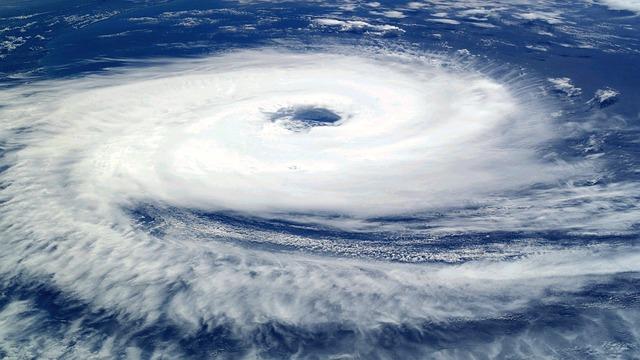
Thousands of Australians remain without power following the impact of a tropical cyclone that swept through Queensland, causing widespread disruptions and damage. The severe weather system brought heavy rains and strong winds, leaving communities grappling with outages and emergency response efforts underway. Authorities continue to assess the extent of the damage as power restoration teams work tirelessly to repair infrastructure and restore essential services across the affected regions.
Impact of Tropical Cyclone on Queensland’s Power Infrastructure and Community Preparedness
The recent tropical cyclone that battered Queensland left thousands of residents without electricity, exposing vulnerabilities within the region’s power grid. High winds and flooding caused widespread damage to transmission lines and substations, forcing power companies into emergency repair mode. Critical infrastructure, including telecommunications and healthcare facilities, experienced intermittent outages, underscoring the challenge of maintaining resilient services during extreme weather events. Utility crews worked around the clock in hazardous conditions, prioritizing vulnerable areas and aiming to restore power efficiently amid ongoing safety concerns.
In response to the crisis, local communities demonstrated varying degrees of preparedness. Emergency services and government agencies collaborated to disseminate vital information through multiple channels, urging residents to secure homes and stock essential supplies. Key factors contributing to resilience included:
- Community engagement with regular updates and evacuation support
- Pre-storm infrastructure assessments to mitigate potential damage
- Investments in backup power sources for critical institutions
However, the event highlighted ongoing concerns about infrastructure upgrade delays and the need for enhanced investment in smart grid technologies to better anticipate and mitigate future disruptions from severe weather phenomena.
Emergency Response Efforts and Recovery Challenges in Affected Regions
In the wake of the tropical cyclone that battered Queensland, emergency response teams have been mobilized swiftly to assess damage and provide immediate relief. Rescue crews are conducting search operations in the hardest-hit areas, prioritizing stranded residents and vulnerable populations. Authorities have set up temporary shelters equipped with essential supplies, while power restoration teams work tirelessly to repair downed lines and infrastructure. Coordination between local government agencies and emergency services remains critical to ensuring a cohesive and efficient response.
Recovery efforts face significant obstacles due to widespread flooding, debris-blocked roads, and ongoing severe weather conditions. Key challenges include:
- Restoring electricity to thousands of homes and businesses, with some areas expected to remain without power for days.
- Ensuring access to remote communities cut off by floodwaters and fallen trees.
- Deploying resources to rebuild critical infrastructure while maintaining public safety amid unstable environmental conditions.
Emergency officials continue to urge residents to stay vigilant and follow safety advisories as the recovery process unfolds.
Safety Guidelines and Precautionary Measures for Residents Facing Prolonged Power Outages
Residents affected by extended power outages are urged to prioritize safety by taking several essential measures. First, avoid using candles as a light source to prevent fire hazards; instead, rely on battery-powered lanterns or flashlights. Ensure that all electrical appliances remain unplugged during outages to protect against sudden power surges once electricity is restored. Additionally, keep refrigerator and freezer doors closed as much as possible to maintain the cold temperature and reduce the risk of food spoilage. It is also vital to stay updated using a battery-powered or hand-crank radio to receive the latest emergency information when mobile networks are compromised.
Residents should prepare for potential health risks during outages by maintaining access to essential medications and considering alternative arrangements for vulnerable individuals such as the elderly, infants, and those with chronic illnesses. Avoid using generators or grills indoors to prevent carbon monoxide poisoning. Keep a supply of bottled water for drinking and hygiene, especially if the power cut affects water pumps. Familiarize yourself with emergency contact numbers and local relief centers, and always inform friends or relatives of your status and location to ensure swift assistance if needed.
In Retrospect
As restoration efforts continue, authorities urge residents to remain cautious and follow official updates. Power crews are working around the clock to restore services, but widespread outages may persist for several days. The full extent of the cyclone’s impact is still being assessed, with emergency responders prioritizing the safety and support of affected communities across Queensland.