
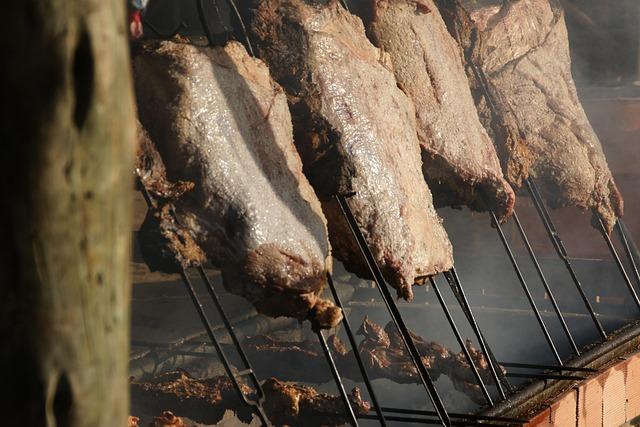
Brazil is reportedly just days away from reaching its 2026 United States beef import quota, signaling a rapid acceleration in exports to the lucrative US market. Industry sources reveal that Brazilian beef shipments have surged significantly, driven by strong demand and competitive pricing, positioning the country well ahead of schedule to fill its allotted quota. This development underscores Brazil’s growing influence in the global beef trade and raises questions about future market dynamics as supply tightens.
Brazil Approaches Full Utilization of 2026 US Beef Quota Amid Rising Export Demand
Brazil’s beef exporters are rapidly nearing maximum capacity for the 2026 US market quota, driven by a surge in overseas demand fueled by shifts in consumer preferences and supply chain adjustments. Industry analysts highlight that the South American nation’s ability to meet this quota ahead of schedule reflects not only its robust cattle production but also significant improvements in processing efficiency and export logistics. This accelerated pace is raising expectations for increased market share in one of the world’s largest beef importers, positioning Brazil as a critical supplier in the global protein trade.
Key factors underpinning this momentum include:
- Strategic trade agreements enhancing tariff benefits and streamlining customs procedures
- Increased investment in packing plants, boosting slaughter capacity and product quality
- Growing US consumer demand for affordable, high-quality beef amid fluctuating domestic production
With export volumes climbing steadily, Brazilian exporters are also exploring opportunities to diversify cuts and products to align with evolving US market preferences while ensuring consistent supply chains in the face of global trade uncertainties.
Industry Experts Analyze Implications for US Meat Market and Trade Relations
Industry experts highlight that Brazil’s rapid progress towards maxing out its 2026 US beef quota signals a seismic shift in the dynamics of global meat trade. Analysts note that this development not only underscores Brazil’s increasing production capacity but also reflects strategic investments in beef quality and supply chain efficiencies. The country’s ability to fill its quota within mere days could intensify competition for US beef exporters, compelling them to reassess pricing, marketing strategies, and domestic production scales to maintain their foothold in the lucrative American market.
Key implications identified by specialists include:
- Heightened pressure on US producers to innovate and increase operational efficiencies.
- Potential renegotiations or adjustments in trade policies to balance supply and demand.
- Shifts in consumer preferences driven by evolving price points and product availability.
- Increased scrutiny over meat quality standards to sustain competitive advantage.
Moreover, trade analysts caution that sustained Brazilian market penetration could reshape bilateral trade relations, prompting enhanced diplomatic dialogues centered on agricultural trade facilitation. The evolution of this scenario demands close monitoring, as it will influence not only pricing structures but also the strategic outlook of multinational corporations operating within the sector.
Strategies Recommended for Exporters to Navigate Quota Limitations and Maximize Opportunities
As Brazil approaches the imminent exhaustion of its 2026 US beef quota, exporters are urged to adopt innovative measures to sustain market presence and capitalize on emerging opportunities. One effective strategy involves diversifying product lines to include higher-value cuts and specialty beef products that may fall outside strict quota constraints. This approach not only mitigates the risk of hitting volume caps but also targets premium segments eager for quality and exclusivity. Additionally, forming strategic partnerships with US importers can enhance supply chain agility and provide critical insights into shifting consumer demands, enabling exporters to respond swiftly to market fluctuations.
Further, embracing digital tools and data analytics is becoming indispensable for real-time quota tracking and demand forecasting. Exporters are encouraged to:
- Monitor quota utilization closely to avoid penalties and identify opportunities for incremental exports.
- Explore alternative trade agreements to diversify export destinations beyond the US market.
- Invest in branding and certification that highlight sustainability and quality assurances, leveraging growing consumer preferences.
By implementing these tactics, Brazilian beef exporters can not only navigate quota restrictions effectively but also position themselves for long-term growth as global demand continues to evolve.
Future Outlook
As Brazil approaches the imminent closure of its 2026 US beef quota, industry stakeholders are closely monitoring the implications for global trade dynamics and domestic producers. With just days remaining, this rapid pace underscores Brazil’s growing influence in the international beef market, while also prompting questions about future quota allocations and trade policies. The coming weeks will be critical in shaping the competitive landscape between major beef-exporting nations and determining how markets adapt to shifting supply patterns.