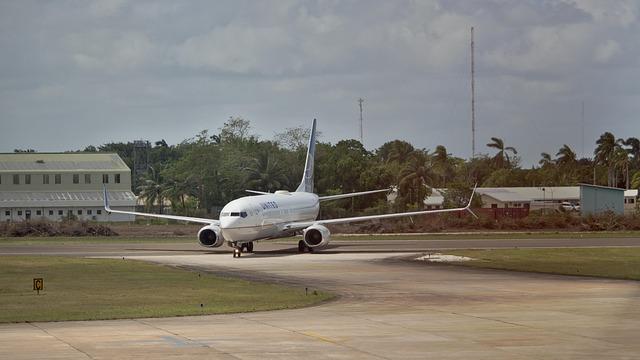
United Airlines’ planned investment in Brazil’s leading carrier Azul has hit a significant roadblock after Brazilian regulators announced a pause on the deal’s final approval. The unexpected regulatory hold injects uncertainty into the transaction, which had been closely watched as a pivotal move in the Latin American aviation market. This development comes amid increasing scrutiny of airline consolidations in Brazil, raising questions about the deal’s future and its potential impact on competition and connectivity in the region.
United’s Investment in Azul Faces Uncertainty as Brazil Halts Final Regulatory Approval
United Airlines’ planned acquisition of a stake in Brazilian carrier Azul Linhas Aéreas faces significant hurdles after Brazil’s regulatory authorities unexpectedly suspended the final approval process. The move has cast doubt over the timeline and potential terms of the investment, which was initially viewed as a strategic expansion into one of Latin America’s most dynamic aviation markets. Officials cited the need for additional scrutiny regarding competitive impacts and market fairness, signaling a deeper assessment than previously anticipated.
Key concerns raised by the regulators include:
- Market monopoly risks: Potential disruptions to Brazil’s highly competitive domestic aviation market.
- Consumer protections: Safeguarding passenger interests amid increased foreign investment.
- Operational transparency: Ensuring alignment with regulatory standards across both airlines.
As the authorities continue their evaluation, United’s investment remains in limbo, leaving industry observers eager to see how this regulatory standoff will influence future cross-border airline partnerships in the region.
Implications for Market Competition and Future Airline Alliances in Latin America
The pause in Brazil’s regulatory approval for United Airlines’ investment in Azul has introduced significant uncertainty in the Latin American aviation landscape. This development curtails the momentum toward greater consolidation among carriers, potentially preserving a more fragmented market environment for the foreseeable future. With Azul’s expansion plans temporarily on hold, competitors may find renewed opportunities to strengthen their foothold domestically and regionally, delaying the anticipated shake-up in ticket pricing and route optimization that commonly follows major alliance moves.
Market dynamics moving forward could feature:
- Stalled synergy benefits expected from United’s strategic partnership
- Continued competition between legacy carriers and low-cost airlines
- Regulators maintaining a cautious stance toward foreign investment in key national carriers
- Potential for alternative alliances to gain traction, leveraging gaps created by the Azul deal’s pause
In a region where air connectivity underpins economic growth, the hesitation surrounding United’s stake in Azul highlights the delicate balance regulators seek between fostering competition and preventing market dominance. The outcome here will likely influence future airline collaborations, signaling to both local and international players the complex regulatory environment that must be navigated when entering Latin America’s aviation market.
Strategic Recommendations for United Amid Regulatory Delays and Investment Challenges
In light of Brazil’s unexpected regulatory pause, United must adopt a nimble approach to safeguard its strategic interests while navigating the prolonged approval process. It is crucial for the airline to intensify its engagement with local regulators and stakeholders, building stronger relationships and fostering transparency to address concerns promptly. Additionally, United should explore alternative partnership structures or incremental investments in Azul to maintain momentum without overextending its capital amid uncertainty. Prioritizing flexible deal terms will enable the company to adapt swiftly as the regulatory landscape evolves.
To counterbalance the stalled investment, United should also consider diversifying its Latin American portfolio by expanding codeshare agreements and exploring joint ventures with other regional carriers. This approach can help mitigate risks associated with the Azul partnership delay while sustaining market presence. Key strategic actions moving forward include:
- Enhancing diplomatic channels to expedite regulatory clarity and approval timelines.
- Deploying capital prudently to avoid potential financial strain during the uncertainty.
- Leveraging alliance synergies to bolster competitive positioning across Latin America.
Insights and Conclusions
As United Airlines’ investment in Azul faces an unexpected delay following Brazil’s decision to pause the final approval process, the future of this strategic partnership remains uncertain. Industry observers will be closely monitoring regulatory developments in Brazil, as the outcome will have significant implications for both carriers and the broader Latin American aviation market. Further updates are expected as authorities continue their review.