
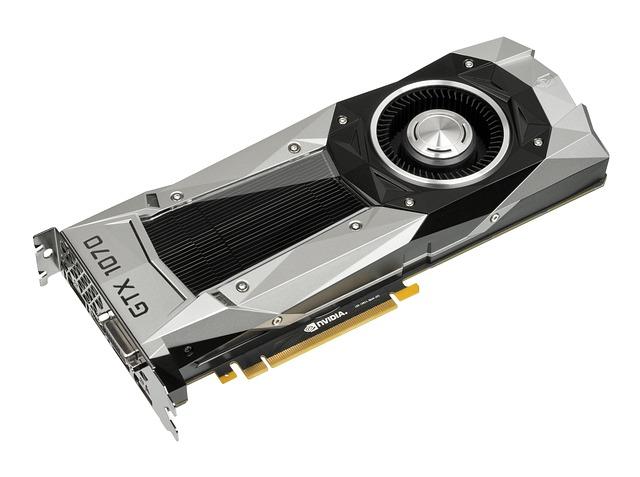
The United States has granted approval for the export of Nvidia’s advanced H200 graphics processing units (GPUs) to China, marking a significant shift in technology trade restrictions. This decision, reported by Reuters, reflects a nuanced approach by U.S. regulators amid ongoing geopolitical tensions and concerns over semiconductor access. The move is expected to impact both the global chip industry and the strategic technological competition between the two economic powers.
US Approves Nvidia H200 Chip Exports to China Amid Rising Tech Competition
The United States government has authorized the export of Nvidia’s cutting-edge H200 chips to China, marking a significant development in the ongoing technological rivalry between the two global powers. This decision is viewed as a strategic move to balance economic interests with national security concerns, allowing advanced semiconductor technology to flow while maintaining controls on sensitive usage. Nvidia’s latest H200 chip, known for its superiority in AI processing and data center efficiency, is expected to bolster China’s technological infrastructure albeit under strict regulatory oversight.
Key aspects of this approval include:
- Enhanced cooperation opportunities between US tech firms and Chinese enterprises
- Potential acceleration of AI research and development within China
- Intensified scrutiny and export controls to safeguard critical technology
- Implications for global chip supply chains amid geopolitical tensions
Experts suggest that while this move may ease some pressure on global semiconductor markets, it simultaneously raises critical questions regarding the future landscape of international technology competition and intellectual property protection. The export allowance highlights a nuanced policy shift aimed at carefully navigating the complex balance between fostering innovation and protecting national interests.
Implications for Global Semiconductor Supply Chains and Market Dynamics
The US decision to authorize the export of Nvidia’s H200 chips to China marks a pivotal shift in the geopolitical landscape surrounding semiconductor supply chains. This move may ease some of the ongoing tensions between the two economic giants, potentially stabilizing supply disruptions that have plagued global tech manufacturers. However, it also underscores the strategic balancing act the US faces: supporting domestic tech champions while managing security concerns tied to advanced AI and high-performance computing technologies. Industry analysts suggest this could prompt other nations to reassess their trade policies, potentially leading to a recalibration of international collaboration and competition in semiconductor innovation.
Market dynamics are expected to experience notable shifts as a result of this export green light, with several immediate and long-term consequences:
- Increased competition: Chinese tech firms could access cutting-edge AI processing capabilities, accelerating their innovation cycles.
- Supply chain diversification: Companies might explore more robust sourcing strategies to mitigate risk, blending Western and Asian semiconductor technologies.
- Investment recalibration: Capital allocations may shift towards AI-relevant semiconductor production and R&D to capture emerging market opportunities.
- Regulatory scrutiny: Governments worldwide could tighten or relax controls based on evolving geopolitical alignments and economic interests.
Together, these factors highlight a complex, evolving ecosystem where technology, policy, and market forces collide, shaping the future of global semiconductor supply and innovation.
Recommended Strategies for US Tech Firms Navigating Export Controls and China Relations
Amid evolving US export control regulations, tech companies must adopt a proactive approach to safeguard their operations while engaging with China. Prioritizing compliance with the latest government mandates is crucial to avoid penalties and maintain smooth cross-border transactions. Firms are advised to conduct comprehensive internal audits and establish dedicated export control teams that monitor regulatory updates in real-time. This can be complemented by rigorous staff training, ensuring that all employees understand the boundaries and consequences of unauthorized technology transfers.
Key recommended strategies include:
- Implementing end-use and end-user screening procedures to detect potential risks.
- Strengthening collaboration with legal experts specializing in international trade law.
- Leveraging advanced compliance software to streamline documentation and reporting processes.
- Engaging in transparent communication with US authorities to clarify ambiguous policy areas.
By integrating these practices, US tech firms can better navigate the complexities posed by export controls and sustain their market presence in China, a critical market that continues to demand cutting-edge technology despite geopolitical tensions.
In Retrospect
The US government’s approval of Nvidia’s H200 chip exports to China marks a notable development in the ongoing technology trade dynamics between the two nations. As semiconductor technology remains a critical area of strategic competition, this move could signal a nuanced shift in export policy amid broader geopolitical tensions. Industry analysts will be closely monitoring how this decision impacts both the global tech supply chain and the competitive landscape in artificial intelligence and high-performance computing sectors.