
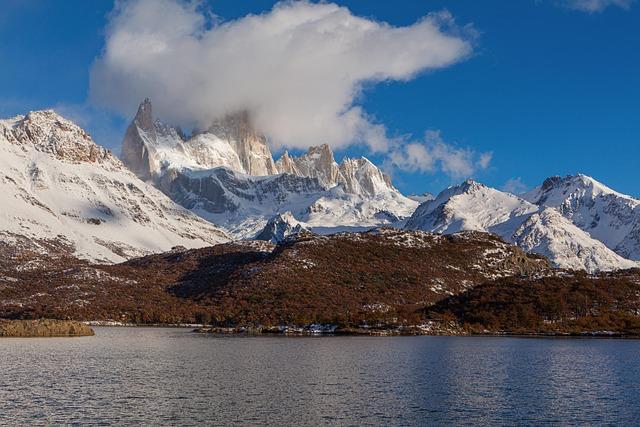
Over 5,500 hectares of land have been devastated by wildfires in Patagonia, according to Chubut Governor Mariano Arcioni. The extensive blazes, which have swept through the region, pose significant environmental and economic challenges for the southern Argentine province. Authorities continue efforts to contain the fires as local communities brace for the aftermath of one of the most severe wildfire episodes in recent years.
Patagonia Wildfires Ravage Thousands of Hectares as Chubut Governor Issues Urgent Warning
The devastating wildfires currently sweeping through the Patagonian region have consumed over 5,500 hectares of forestland, according to the latest figures released by the governor of Chubut. Authorities are racing against time as flames continue to tear through vulnerable ecosystems, threatening local wildlife and disrupting the lives of nearby communities. Emergency services have mobilized extensive resources, including aerial firefighting units and ground crews, to contain the rapidly spreading blazes amid dry, windy conditions that exacerbate the situation.
In a stark warning, the Chubut governor emphasized the severity of the crisis and urged citizens to remain vigilant and comply with safety regulations. Authorities have issued the following critical advisories:
- Avoid outdoor fires and smoking in forested areas.
- Report any signs of fire immediately to emergency services.
- Follow evacuation orders promptly if issued.
- Ensure readiness of emergency supplies and evacuation plans.
Environmental experts are expressing concern over the long-term impact of the fires on the region’s biodiversity. Efforts are underway to not only suppress the current blazes but also to prepare for potential new outbreaks as temperatures remain high.
Environmental Impact and Threat to Local Communities Highlighted by Devastating Fires
The recent wildfires sweeping across Patagonia have wrought severe ecological damage, consuming vast expanses of forest and critically endangering diverse wildlife habitats. Over 5,500 hectares have been reduced to ash, disrupting fragile ecosystems that took decades to develop. The loss of vegetation not only diminishes biodiversity but also accelerates soil erosion, jeopardizing water quality and increasing vulnerability to future environmental disasters.
Local communities, many of which rely on the land for sustenance and livelihood, are facing profound challenges in the wake of the blaze. Residents report:
- Destruction of agricultural crops and grazing fields crucial for livestock
- Displacement caused by smoke and fire threats, impacting health and safety
- Loss of natural resources traditionally used for fuel and medicine
Government agencies and environmental groups are calling for urgent intervention to aid recovery efforts and implement sustainable fire management strategies to protect both the environment and the people who depend on it.
Experts Recommend Enhanced Fire Prevention Strategies and Increased Funding for Emergency Response
In light of the recent devastating wildfires that have consumed more than 5,500 hectares in Patagonia, authorities and environmental experts are calling for a comprehensive overhaul of current fire prevention frameworks. They emphasize the importance of adopting advanced monitoring technologies, enhancing community awareness programs, and implementing stricter land management policies to mitigate the risk of future incidents. Key recommendations include:
- Deploying real-time satellite imaging to detect fires in their infancy and facilitate swift responses.
- Strengthening collaboration between provincial and national agencies for a unified and efficient firefighting strategy.
- Increasing public education initiatives focused on fire safety and responsible land use among rural populations.
Moreover, experts underscore the urgent need for increased funding directed toward emergency response units. Enhanced financial resources would allow for the acquisition of modern firefighting equipment, improved training for personnel, and the establishment of rapid deployment teams capable of containing fires before they escalate. This strategic investment is viewed as critical to bolstering resilience against what many fear could become more frequent and severe wildfire seasons due to changing climate conditions.
In Conclusion
As the wildfire crisis in Patagonia continues to unfold, authorities in Chubut remain on high alert, working tirelessly to contain the blaze and assess the full extent of the damage. With over 5,500 hectares already consumed by the flames, the impact on the region’s fragile ecosystems and local communities is profound. Officials have called for increased support and resources to combat the fires, emphasizing the urgent need for coordinated efforts to prevent further devastation. The situation remains under close observation as firefighters and emergency services battle to bring the wildfires under control.