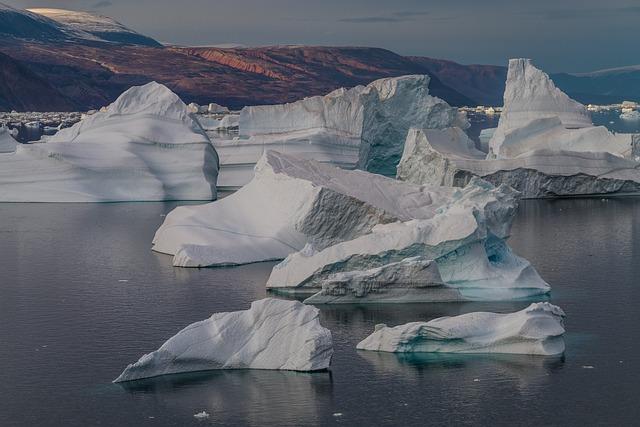
As geopolitical tensions intensify in the Arctic, questions surrounding the defense of Greenland have moved to the forefront of European security discussions. In the latest edition of France 24’s “A propos,” experts and officials weigh in on what concrete measures Europe is prepared to take to safeguard this strategically vital territory. With Greenland’s vast natural resources and its key position between North America and Europe, the stakes are high-and so is the scrutiny on European defense commitments. This article delves into the current strategies, challenges, and future plans shaping Europe’s approach to protecting Greenland amid an increasingly complex international landscape.
Europe’s Strategic Interests in Greenland Amid Rising Arctic Tensions
Europe’s gaze on Greenland is sharpening as Arctic geopolitics heat up, with Copenhagen and Brussels maneuvering to safeguard their interests in a region increasingly vital for security, natural resources, and shipping routes. Securing Greenland means more than just protecting a remote landmass; it represents a strategic foothold for Europe amid growing influence from global powers like Russia, China, and the United States. The European Union, alongside key member states, is evaluating options ranging from enhanced military cooperation and surveillance capabilities to stronger diplomatic ties with Greenland’s local government.
Key initiatives under consideration include:
- Boosted intelligence sharing: to monitor military buildups and enhance Arctic situational awareness.
- Investment in sustainable infrastructure: supporting Greenland’s development while establishing footholds for European presence.
- Expansion of joint naval and aerial exercises: to reinforce defense readiness in harsh Arctic conditions.
- Collaborative research efforts: focusing on climate change impacts and resource management, ensuring Europe’s voice in future Arctic governance.
With Greenland positioned at the crossroads of emerging security dynamics, Europe’s challenge lies not only in responding to external pressures but also in forging a balanced, long-term strategy that respects the island’s autonomy while securing broader geopolitical stability.
Assessing Military and Diplomatic Measures to Secure Greenland’s Future
With Russia’s Arctic ambitions intensifying and global powers eyeing Greenland’s strategic position, Europe faces a pivotal moment in fortifying the island’s security. Military measures under consideration include enhancing NATO’s presence through advanced radar installations, joint air patrols, and rapid deployment forces stationed on or near the island. These initiatives aim not only to deter potential aggression but also to safeguard critical infrastructure linked to transatlantic communication and early warning systems. Moreover, European defense ministers are increasingly emphasizing interoperability among member states, ensuring swift coordinated responses to emerging threats in the harsh Arctic environment.
Diplomatic efforts complement these military strategies, focusing on strengthening alliances with Greenland’s indigenous government and the Kingdom of Denmark, which holds sovereignty over the territory. Europe’s diplomatic playbook involves:
- Enhanced cooperation on environmental monitoring and resource management to address climate-driven security challenges.
- Facilitating multilateral dialogues involving Arctic and non-Arctic nations to foster transparency and reduce tensions.
- Investing in Greenland’s economic development to build resilience against external political pressures.
By weaving military readiness with proactive diplomacy, Europe aims to create a durable framework that not only defends Greenland but also ensures stability across the increasingly contested Arctic region.
Policy Recommendations for Strengthening European Arctic Defense Cooperation
To effectively address the complex security challenges in the Arctic, European nations must prioritize robust multilateral frameworks that enhance coordination and intelligence sharing. Joint investment in surveillance infrastructure and rapid response capabilities will be crucial to counter emerging threats from state and non-state actors. Establishing permanent Arctic defense task forces with clear mandates can ensure sustained presence and operational readiness, while fostering interoperability among the various national armed forces. Additionally, leveraging satellite technology and drone reconnaissance will provide real-time situational awareness critical to safeguarding European interests in the region.
Policy makers should also focus on integrating indigenous expertise and environmental considerations into defense planning, respecting the unique geopolitical sensitivities of Greenland. Strengthening ties with NATO’s northern flank and exploring partnerships with Arctic Council members can create a unified front against potential aggression. Immediate steps include:
- Increasing joint military exercises in Arctic conditions to enhance preparedness.
- Developing a shared Arctic security doctrine that aligns national strategies.
- Expanding funding for research on Arctic-specific defense technologies.
Such measures will not only fortify Europe’s northern defense but also contribute to regional stability amid growing global interest in the Arctic’s strategic significance.
In Retrospect
As tensions in the Arctic continue to rise amid growing geopolitical competition, the question of how Europe will safeguard Greenland’s strategic interests remains urgent. France 24’s coverage highlights the complexities facing European policymakers as they balance diplomatic, military, and environmental considerations in this fragile region. With global powers increasingly focused on the Arctic’s resources and emerging shipping routes, Europe’s approach to defending Greenland will be a critical test of its unity and resolve in the years ahead.