Germany boosted its renewable energy capacity significantly in December, adding 1.3 gigawatts (GW) of solar power installations amid a notable surge in onshore wind project approvals. The latest figures highlight the country’s accelerating transition towards clean energy, as policymakers and industry stakeholders push to meet ambitious climate targets. This uptick in renewables deployment underscores Germany’s commitment to expanding its green energy infrastructure despite ongoing regulatory and supply chain challenges.
Germany’s Solar Capacity Sees Major Boost with Significant December Additions
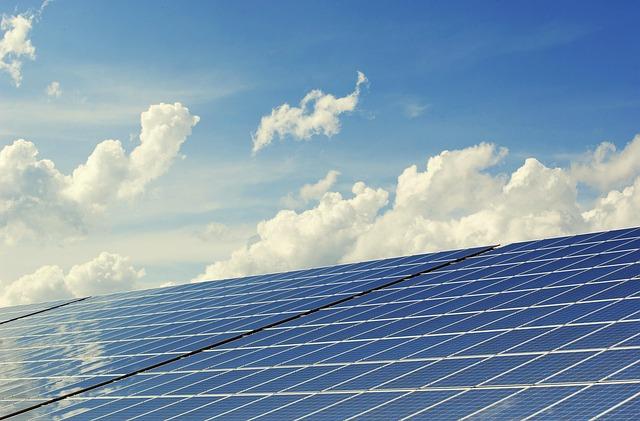
December marked a remarkable advancement for Germany’s renewable energy sector, with solar power installations reaching an impressive 1.3 gigawatts added within the month alone. This substantial increase underlines the country’s relentless push towards clean energy, as rooftop and utility-scale solar projects accelerated ahead of year-end. The surge in capacity not only bolsters Germany’s green energy output but also demonstrates the effectiveness of recent policy incentives and streamlined approval processes designed to fast-track solar development. Experts note that this uptick plays a critical role in helping the nation meet its ambitious climate targets for 2030.
Alongside solar, onshore wind received a significant boost as approvals for new projects skyrocketed, signaling renewed investor confidence and policy backing in the sector. The pipeline of onshore wind farms now includes several large-scale projects expected to come online within the next few years, enhancing Germany’s energy mix diversification. Key highlights include:
- Faster permitting procedures allowing quicker project commencement
- Strong government incentives aimed at expanding renewable generation capacity
- Growing interest from private investors in both solar and wind markets
Together, these developments set the stage for a greener, more resilient energy system as the country confronts the twin challenges of energy security and climate change.
Onshore Wind Approvals Accelerate as Policymakers Streamline Regulations
Recent months have seen a remarkable uptick in onshore wind project approvals across Germany, a direct result of new policy measures aimed at cutting bureaucratic red tape. By simplifying permitting processes, authorities have not only expedited the evaluation timelines but also enhanced transparency for developers. This strategy is expected to significantly bolster the country’s renewable energy capacity and support Germany’s ambitious climate goals.
Key elements driving this acceleration include:
- Streamlined environmental assessments that reduce procedural delays while maintaining ecological safeguards.
- Centralized digital application platforms, enabling quicker submission and processing of project proposals.
- Improved coordination between federal and local agencies to mitigate jurisdictional conflicts and approvals lag.
As a result, industry stakeholders are optimistic that these regulatory enhancements will translate into faster actual project construction timelines, helping to meet both domestic energy demand and European Union renewable targets.
Experts Urge Increased Investment and Policy Support to Sustain Renewable Momentum
Industry leaders emphasize the urgent need for robust financial commitments and streamlined policies to maintain the impressive acceleration witnessed in Germany’s renewable sector. With solar capacity topping 1.3 GW in December alone and a notable rise in onshore wind project approvals, the momentum is clear, yet experts warn that without sustained backing, these gains could stall. They call on policymakers to simplify permitting processes, enhance grid infrastructure, and provide targeted subsidies aimed at reducing project lead times and costs.
The push for accelerated investment is backed by several critical factors:
- Grid modernization: Upgrading transmission networks to handle fluctuating renewable inputs efficiently.
- Financial incentives: Tailored support for emerging technologies and community-led initiatives.
- Regulatory clarity: Stable, transparent frameworks to attract domestic and international investors.
Analysts agree that combining these elements will be vital to capitalize on Germany’s rich renewable resource potential and meet ambitious climate targets set for the coming decades.
To Conclude
As Germany continues to accelerate its energy transition, the addition of 1.3 GW of solar capacity in December alongside a significant increase in onshore wind approvals marks a pivotal step toward meeting its renewable energy targets. These developments underscore the country’s commitment to expanding clean energy infrastructure and reducing reliance on fossil fuels. With sustained policy support and growing investments, Germany is poised to strengthen its position as a leader in the European renewable energy landscape in the coming years.