
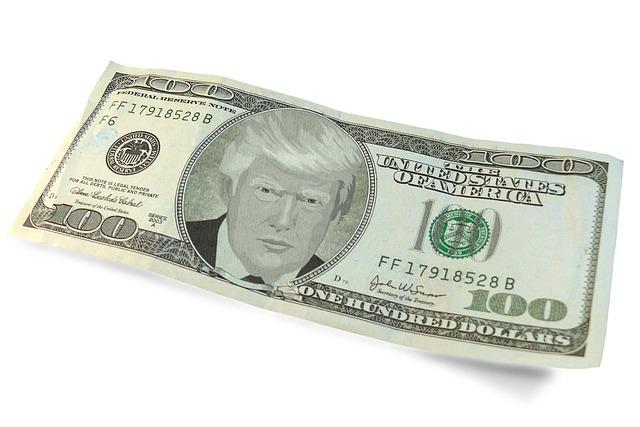
In a significant development ahead of ongoing trade negotiations, a group of US lawmakers has urged President Donald Trump to press India for lower tariffs on pulse crops as part of the Bilateral Trade Agreement (BTA) between the two countries. The appeal, highlighted in The Economic Times, underscores the growing importance of agricultural trade, especially pulses, in shaping the future contours of India-US economic relations. With the US aiming to enhance market access for its pulse exporters, this move signals intensified diplomatic efforts to address longstanding tariff barriers and foster deeper bilateral trade ties.
India US Lawmakers Advocate for Reduced Indian Tariffs on Pulse Crops in Bilateral Trade Agreement
In a significant move to bolster bilateral trade relations, US legislators have formally urged the administration to prioritize the reduction of Indian tariffs on pulse crops during ongoing trade negotiations. These lawmakers emphasize that lower tariffs would not only enhance market access for American farmers but also strengthen agricultural ties between the two nations. Their appeal highlights the growing importance of pulse crops-such as lentils, chickpeas, and peas-in both countries’ agricultural sectors, where trade barriers have long hindered smoother commerce.
Key points raised by the US lawmakers include:
- Economic benefits: Easing tariffs could potentially increase US exports and create new market opportunities for farmers.
- Strategic cooperation: Strengthening the agricultural supply chain aligns with broader goals of the bilateral trade agreement.
- Consumer impact: Reduced tariffs may lead to more competitive pricing and diversifying the pulse crop supply in India.
The call to action reflects a concerted effort to address trade imbalances and pave the way for a more equitable and mutually advantageous trade framework between India and the United States.
Strategic Importance of Lowering Tariffs for Strengthening Agricultural Trade Relations
Lowering tariffs on agricultural products such as pulse crops stands as a pivotal move towards deepening economic ties between India and the United States. By reducing trade barriers, both nations can unlock significant growth opportunities within their agri-sector, ensuring a more balanced and mutually beneficial exchange. This strategy not only facilitates smoother interstate market access but also addresses long-standing trade imbalances that have hindered the full potential of bilateral engagement. Additionally, lower tariffs can stimulate innovation and investment in agriculture by encouraging competitive pricing and enhancing supply chain efficiencies.
The benefits of tariff reductions extend beyond mere economic metrics, touching upon broader strategic objectives. Key advantages include:
- Strengthening food security through diversified sourcing and reliable supply chains.
- Supporting farmers and agricultural stakeholders by expanding market access and increasing export opportunities.
- Promoting sustainable agricultural practices driven by enhanced collaboration and knowledge exchange.
- Encouraging diplomatic goodwill by fostering cooperative frameworks that transcend trade alone.
As the US lawmakers press for tariff reductions, the move underscores an urgent need to recalibrate trade policies in a manner that amplifies shared prosperity and resilience for both countries’ agricultural sectors.
Policy Recommendations for Enhancing Market Access and Boosting US Pulse Crop Exports to India
To capitalize on the growing demand for pulse crops in India and solidify the United States’ position as a leading supplier, lawmakers emphasize the need for strategic policy interventions. Central to these recommendations is the urgent call for reducing India’s high tariff barriers that currently limit the competitiveness of US pulse exports. Advocates argue that streamlined customs procedures, coupled with enhanced bilateral cooperation, can significantly lower transaction costs and facilitate smoother trade flows. Additionally, fostering mutual recognition agreements on quality standards and certifications is seen as essential to overcoming non-tariff barriers that impede market access.
Experts also highlight a multifaceted approach involving:
- Enhanced trade dialogue to ensure transparent and consistent tariff policies
- Incentives for US exporters to increase investment in pulse crop production and supply chain improvements
- Joint research initiatives addressing agronomic challenges and market preferences in India
- Strengthening private sector partnerships to expand distribution networks and consumer awareness
Such comprehensive reforms are deemed critical not only to amplify US exports but also to create a resilient, sustainable trade framework conducive to long-term growth and mutual benefit.
Final Thoughts
As negotiations on the Bilateral Trade Agreement continue to unfold, the call from US lawmakers for President Trump to prioritize the reduction of Indian tariffs on pulse crops underscores the broader push for a more balanced trade relationship. With pulses being a significant commodity in India’s agricultural exports, the outcome of these discussions could have far-reaching implications for bilateral trade dynamics and the agricultural sectors in both countries. Stakeholders on both sides will be closely monitoring the developments, as any agreement reached could set the tone for future cooperation between two of the world’s largest economies.