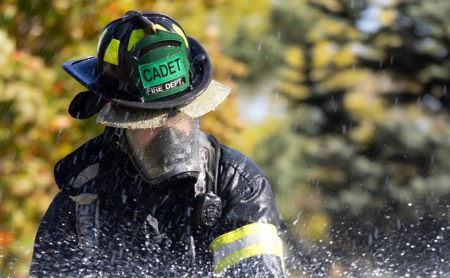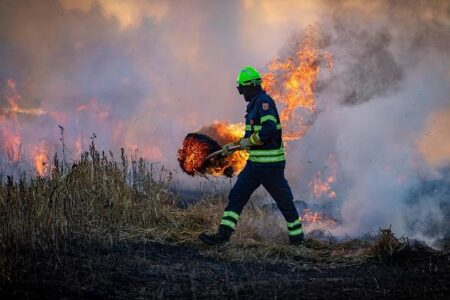

A series of intense wildfires are currently threatening Argentina’s rare and ecologically vital forests, according to recent data from NASA. These fires pose a significant risk to biodiversity hotspots that serve as critical habitats for numerous endangered species. Scientists and environmentalists are raising alarms as satellite imagery reveals the rapid spread of flames across protected areas, underscoring the urgent need for coordinated firefighting efforts and long-term conservation strategies. This alarming development highlights the growing challenges faced by Argentina in safeguarding its unique forest ecosystems amid changing climate conditions.
Fire Escalation Endangers Unique Argentine Forest Ecosystems
Recent satellite imagery captured by NASA reveals an alarming increase in wildfire activity within the subtropical forests of northern Argentina. These fires are rapidly consuming vast areas of pristine woodlands, many of which are home to species found nowhere else on Earth. Environmental scientists warn that this surge not only threatens biodiversity but also disrupts critical ecological processes essential for the health of these unique forest ecosystems.
Key factors contributing to this escalation include:
- Prolonged drought conditions exacerbated by shifting climate patterns
- Human-induced land management practices and accidental ignitions
- The proliferation of invasive plant species that fuel more intense burns
Efforts are underway to combine satellite monitoring with ground-based firefighting strategies, aiming to mitigate damage and preserve the invaluable natural heritage of Argentina’s forests. However, experts emphasize that long-term solutions will require comprehensive policy changes and community engagement to combat the root causes of these devastating fires.
NASA Satellite Data Reveals Scope and Intensity of Blazes
Data collected from NASA’s Earth-observing satellites has illuminated the vast scale and ferocity of the fires currently ravaging Argentina’s rare forest regions. Utilizing advanced thermal imaging and high-resolution optical sensors, these satellites have monitored extensive burn scars and hotspots, revealing that the blazes cover tens of thousands of hectares with unprecedented intensity. The satellite imagery not only highlights the affected areas but also tracks the fire’s progression in near real-time, providing vital information for firefighting teams and environmental agencies battling to contain the infernos.
Among the critical insights gained from this data are:
- Heat intensity maps that identify the most severely affected zones where flames reach destructive peaks.
- Smoke plume analysis to assess air quality impacts and predict downwind hazards to nearby communities.
- Vegetation loss estimates that quantify damage to Argentina’s unique biodiversity hotspots.
This satellite information is proving indispensable in coordinating relief efforts and guiding policy decisions aimed at protecting these endangered forest ecosystems from further devastation.
Urgent Strategies Urged to Protect Biodiversity and Mitigate Future Fires
In the wake of recent wildfires ravaging Argentina’s rare and delicate forest ecosystems, experts are calling for immediate and comprehensive strategies to safeguard biodiversity. These forests, home to numerous endemic species, face unprecedented threats from increasingly frequent and intense fires fueled by climate change and human activity. Without swift intervention, many species risk extinction, and the intricate ecological balance of these habitats could be irreparably damaged.
Environmental scientists emphasize the need for a multi-faceted approach, including:
- Enhanced fire monitoring systems utilizing satellite technology for early detection.
- Community engagement programs to educate and involve local populations in fire prevention and forest management.
- Restoration initiatives aimed at rehabilitating fire-affected areas to promote ecosystem recovery.
- Policy reforms focusing on sustainable land use and stricter regulations to limit activities that increase fire risk.
These steps are crucial to mitigate future fire outbreaks and preserve Argentina’s natural heritage for generations to come.
Final Thoughts
As wildfires continue to threaten Argentina’s rare and ecologically vital forests, experts emphasize the urgent need for enhanced monitoring and proactive conservation efforts. NASA’s advanced satellite technology plays a crucial role in tracking these destructive events, providing critical data that can inform both local and global responses. The fate of these unique ecosystems hangs in the balance, underscoring the importance of coordinated action to protect Argentina’s natural heritage from the growing risks posed by climate change and human activity.