As Japan continues to attract millions of travelers each year with its unique blend of tradition and modernity, timing remains a crucial factor for an optimal visit. In 2026, several specific periods pose challenges ranging from extreme crowding to transportation disruptions, affecting the overall travel experience. SoraNews24 has identified the “10 times to avoid traveling in Japan in 2026,” offering essential guidance for tourists seeking to navigate the country’s busy calendar and enjoy a smoother, more enjoyable trip. This article highlights the key dates and reasons why visitors may want to reconsider their plans during these times.
Peak holiday seasons bring crowded trains and expensive accommodations
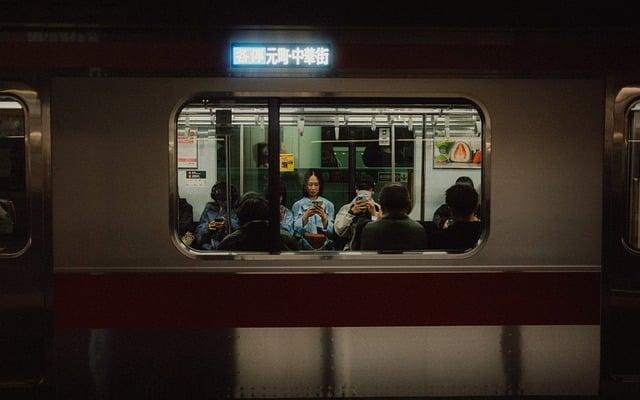
During Japan’s peak holiday periods, travelers face significant challenges due to soaring demand. Trains, particularly the shinkansen and regional lines serving popular destinations, become packed beyond comfort, often leaving spontaneous trips a near impossibility. Reservations must be booked well in advance, and even then, finding a seat can feel like a lottery. The crowded conditions not only diminish the travel experience but can also lead to delays and disruptions as transportation networks strain under the volume of passengers.
Accommodations follow a similar pattern, with prices inflating sharply and availability drastically reduced. Hotels and traditional ryokans in tourist hotspots frequently sell out months ahead of major holiday windows. Visitors who fail to plan early may find themselves settling for less desirable locations or paying a premium for last-minute bookings. To navigate these intense periods, consider alternative lodging options, flexible travel dates, or less frequented areas to avoid the double pinch of crowds and high costs.
- Golden Week (late April to early May): A series of national holidays causing one of the busiest travel stretches.
- Obon Festival (mid-August): Time for family reunions and widespread domestic travel.
- New Year’s Holiday (late December to early January): A peak season drawing large crowds heading home or to leisure spots.
Major national holidays trigger widespread closures and limited services
During national holidays in Japan, expect a notable slowdown as many businesses, government offices, and public services either shut down entirely or operate on significantly reduced hours. This widespread pause is especially evident during Golden Week, Coming of Age Day, and other major holidays when crowded streets and closed establishments become the norm, posing challenges for travelers relying on local services. Public transportation, while still running, often faces disruptions and packed schedules, leading to delays and discomfort for commuters and tourists alike.
Key impacts travelers should be aware of include:
- Limited availability of medical and emergency services in non-urban areas.
- Closures of museums, tourist attractions, and cultural sites on national holidays.
- Difficulty finding open restaurants, shops, and convenience stores outside major cities.
- Reduced frequency of public transit options, particularly in rural regions.
For a smoother trip, it’s advisable to plan ahead by checking specific holiday dates and adjusting your itinerary to avoid periods where essential services and hospitality sectors are less accessible.
Severe weather alerts warn against travel during typhoon and heavy snowfall periods
Authorities across Japan have issued multiple alerts urging residents and travelers to reconsider any travel plans during periods marked by intense typhoons and heavy snowfall. These severe weather conditions not only disrupt transportation networks-including trains, buses, and flights-but also increase the risk of accidents, landslides, and flooding. Emergency services are often stretched thin during such events, and staying off the roads is highly recommended to ensure personal safety and to allow prompt response to critical situations.
Key advisories include:
- Postponing all non-essential travel until weather conditions stabilize
- Avoiding coastal regions and mountainous routes prone to landslides or storm surges
- Monitoring official weather updates and following instructions from local authorities
- Preparing emergency kits and alternative accommodation plans in case of sudden travel disruptions
The Way Forward
As Japan continues to attract travelers with its rich culture and scenic beauty, being mindful of peak times to avoid crowds and disruptions is essential for a smooth journey. By steering clear of these 10 specific periods in 2026, visitors can ensure a more enjoyable and hassle-free experience. Staying informed and planning accordingly will help travelers make the most of their time in Japan, whether exploring bustling cities or tranquil countryside. For the latest updates and detailed travel tips, stay tuned to SoraNews24.