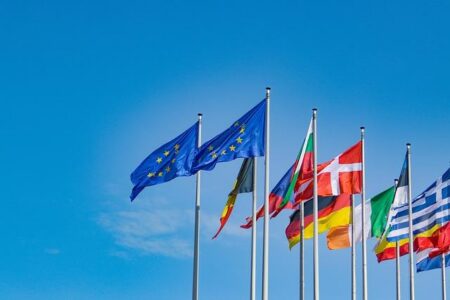

Germany has called for a united European front in response to recent tariff threats issued by former U.S. President Donald Trump concerning Greenland. As tensions rise over potential trade disruptions linked to the disputed Arctic territory, German officials emphasized the need for coordinated measures among European Union member states to safeguard economic interests and maintain transatlantic stability. This development marks a significant moment in the evolving dynamics between Europe and the United States amidst ongoing geopolitical maneuvering in the Arctic region.
Germany Calls for Unified EU Strategy Amid Trump’s Greenland Tariff Threats
In response to escalating trade tensions sparked by recent U.S. tariff threats over Greenland, German officials are advocating for a concerted European Union stance. Berlin emphasizes the necessity of presenting a unified front to effectively counteract policies perceived as disruptive to intra-Atlantic economic relations. Germany’s government underscores that fragmentation within the EU weakens its negotiating power and jeopardizes the bloc’s strategic interests in the Arctic region.
The call for solidarity extends beyond mere diplomatic rhetoric, with key proposals including:
- Joint EU tariff and trade policy adjustments to mitigate unilateral measures.
- Enhanced coordination among member states on Arctic development and resource management.
- Strengthening EU institutional mechanisms to address external economic threats swiftly.
This approach reflects Germany’s broader ambition to position the EU as a formidable economic actor capable of safeguarding its collective interests amid global protectionist trends.
Economic and Diplomatic Implications of Potential Trade Barriers on European Markets
The imposition of potential trade barriers by the United States, particularly under the administration’s aggressive tariff policies, poses significant challenges to the European market’s stability. Germany, a leading economic power within the EU, has actively called for a unified and coordinated response to safeguard European industries from the ripple effects of such measures. Experts warn that unmitigated tariffs could lead to disrupted supply chains, increased production costs, and higher consumer prices across various sectors, notably automotive and manufacturing, which are pillars of the German economy.
Beyond economics, the diplomatic fallout from these trade threats risks deepening transatlantic tensions at a critical juncture. Key concerns include:
- Weakened transatlantic cooperation on global trade norms and security matters.
- Strained EU-US relations potentially impacting future negotiations on broader trade agreements.
- Heightened protectionism that could encourage retaliatory measures from European countries.
Germany’s firm stance underscores the urgency of collective European action not only to maintain economic equilibrium but also to preserve the diplomatic ties vital for long-term collaboration and global stability.
Experts Recommend Strengthening Intra-European Trade Policies to Counter External Pressures
In light of recent tariff threats from the United States concerning Greenland, leading European policymakers have emphasized the urgent need for a unified trade strategy within the continent. They argue that fostering deeper cooperation and harmonizing regulations among European Union members will not only bolster economic resilience but also reduce vulnerability to external economic pressures. Key areas identified for reinforcement include the streamlining of customs procedures, enhancement of cross-border infrastructure, and the adoption of common standards that facilitate smoother intra-European commerce.
Experts also highlight the strategic advantages of a consolidated approach, pointing out that a stronger internal market could serve as a formidable counterbalance to unilateral trade measures imposed by global powers. Proposed measures include:
- Expanding intra-EU trade agreements to cover new sectors
- Establishing joint investment funds focused on digital and green technologies
- Improving data sharing and alignment on cybersecurity protocols to protect supply chains
Such coordinated efforts are expected to safeguard European economic interests and enhance the bloc’s negotiating power on the international stage.
In Conclusion
As tensions continue to unfold over the dispute surrounding Greenland, Germany’s call for a unified European response underscores the growing imperative for solidarity within the EU in the face of external trade pressures. The evolving situation highlights the complexities of transatlantic relations and signals a potential shift toward more coordinated economic strategies among European nations. Observers will be closely watching how this diplomatic maneuvering influences future trade policies and the broader geopolitical landscape.