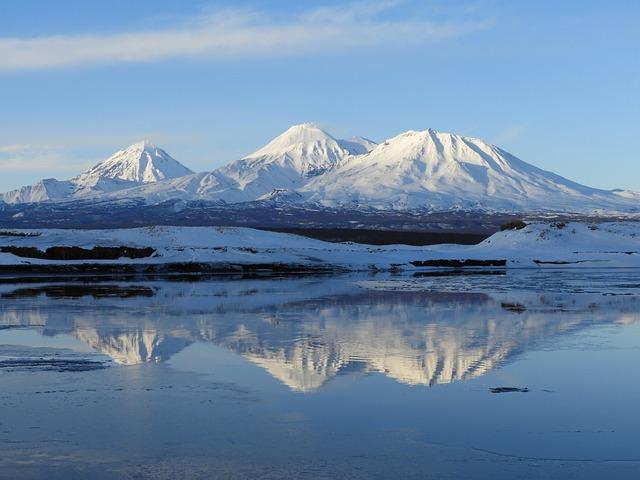
In an unprecedented meteorological event, the Kamchatka Peninsula of Russia is grappling with a historic snow crisis as the Record Winter Storm of 2026 buries towns under meters of snow, disrupts transportation networks, and places immense strain on emergency response teams. Since late January, relentless snowfall has transformed the volcanic region into an icy battleground, challenging residents and authorities alike. This article explores the far-reaching impacts of the storm on daily life, infrastructure, and the tireless efforts of emergency crews working to restore normalcy amid one of the harshest winters in recent memory.
Kamchatka Faces Unprecedented Snowfall as Record Winter Storm Paralyzes Transportation Networks
The Kamchatka Peninsula has been gripped by an extraordinary winter tempest, dumping unparalleled amounts of snow and sending shockwaves through the region’s already vulnerable infrastructure. Rescue and emergency teams face an uphill battle as key highways and local roads disappear beneath deep drifts, immobilizing vehicles and isolating multiple communities. Airports have suspended operations indefinitely due to poor visibility and icy conditions, while rail services remain halted amid concerns over track safety. Authorities have issued urgent alerts asking residents to stay indoors and ration supplies as temperatures plummet and blizzard winds continue to howl across the landscape.
Local officials report that the storm’s intensity has far surpassed historical averages, overwhelming conventional response mechanisms. The snowfall has been quantified at more than 150 centimeters in just 48 hours in some areas, prompting widespread power outages and communication blackouts. Emergency crews are prioritizing:
- Clearing snow-blocked routes to restore critical access
- Deploying search-and-rescue teams for stranded individuals
- Coordinating with relief agencies to deliver food, water, and medical aid
Meanwhile, local residents share harrowing stories of being trapped in their homes and vehicles, turning to community networks and social media for support as the harsh conditions persist.
Emergency Crews Battle Harsh Conditions While Stranded Residents Await Rescue Efforts
Emergency teams in Kamchatka have been relentlessly working against the clock amid unprecedented winter conditions that have trapped dozens of communities under meters of snow. Harsh winds and subzero temperatures are severely hampering rescue operations, leaving crews to navigate treacherous roads and blizzard-like visibility. Local authorities report that several key transport routes remain impassable, complicating the delivery of vital supplies and urgent medical aid.
Residents stranded in isolated towns are facing dwindling resources, with many shelters running low on heating fuel and food. Emergency responders are prioritizing the most vulnerable, including elderly citizens and those with medical conditions. Current efforts include:
- Deploying snowplows and specialized vehicles capable of traversing deep snow
- Coordinating airlifts and helicopter rescues where ground access is impossible
- Establishing temporary warming centers to provide relief amid freezing temperatures
Officials continue to urge patience and caution, emphasizing that despite the difficulties, all possible measures are being implemented to restore safety and access as rapidly as conditions allow.
Experts Advise Immediate Infrastructure Reinforcement and Enhanced Disaster Preparedness Plans
In the wake of the unprecedented snowstorm that crippled Kamchatka, leading experts have issued urgent calls for significant upgrades to the region’s infrastructure. The overwhelming snowfall exposed critical vulnerabilities in roads, bridges, and power grids, which failed under the extreme conditions. Authorities are urged to prioritize the modernization of heating systems, reinforcement of key transport arteries, and the installation of automated monitoring technologies that can provide early warnings for future weather catastrophes.
Disaster preparedness strategies also demand a comprehensive overhaul. Experts recommend implementing community-wide training programs designed to boost resilience, alongside expanding emergency supply caches and improving coordination hubs for faster crisis response. Key suggestions include:
- Development of rapid deployment teams specialized in snow removal and infrastructure repairs
- Investment in all-terrain vehicles and drone technologies to aid in search and rescue operations
- Creation of localized shelters capable of withstanding long-term disruptions
Without swift action, residents remain at risk of prolonged isolation during subsequent storms, placing additional pressure on emergency services already stretched thin during this historic winter event.
Future Outlook
As Kamchatka grapples with the fallout from the unprecedented winter storm of 2026, the region faces a daunting road to recovery. Towns buried under record-breaking snowfall continue to struggle with disrupted transport and limited access to essential supplies. Emergency crews remain on high alert, working tirelessly amid harsh conditions to aid stranded residents and restore critical infrastructure. While the immediate crisis persists, authorities are calling for increased preparedness as climate patterns suggest such extreme weather events may become more frequent. Filmogaz.com will continue to monitor developments and provide ongoing coverage of the situation in Kamchatka.