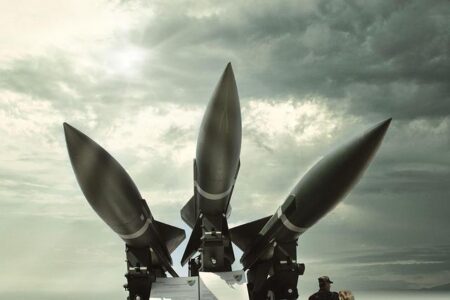

In a recent turn of events that has captured global attention, China finds itself at the center of a serious strategic misstep with far-reaching consequences. From economic disruptions to diplomatic tensions, the ramifications of this blunder are unfolding rapidly, challenging Beijing’s long-term ambitions on the world stage. This article delves into the specifics of what went wrong, the factors contributing to the failure, and the potential impact on both China and the international community.
China’s Strategic Miscalculations Undermine Global Influence
China’s ambitious attempts to reposition itself as the dominant global power have been hampered by a series of critical strategic errors that have alienated key international partners. The overreach in geopolitical arenas such as the South China Sea and its aggressive posturing towards Taiwan have triggered widespread condemnation, pushing many countries to strengthen alliances that counterbalance Beijing’s influence. Economic initiatives, like the Belt and Road Initiative, which were once hailed as masterstrokes of diplomacy and development, now face growing scrutiny and pushback due to mounting debt concerns and perceptions of neocolonial ambition.
Several missteps have significantly eroded China’s standing on the world stage:
- Heavy-handed responses to dissent both domestically and in Hong Kong have sparked global criticism and increased sanctions from Western nations.
- Trade conflicts with major economies, particularly the United States, have disrupted supply chains and weakened economic partnerships crucial for sustained growth.
- Failure to transparently manage the early stages of the COVID-19 outbreak impeded China’s ability to position itself as a responsible global leader.
Collectively, these miscalculations diminish Beijing’s ability to project soft power and undermine the decades-long effort to present itself as a reliable partner in the international community. The fallout raises urgent questions about China’s future trajectory and whether it can recalibrate its approach to repair these fractures before its global ambitions are irrevocably compromised.
Economic Fallout From Policy Failures Threatens Long-Term Growth
China’s recent policy missteps have triggered a cascade of economic disruptions that cast a long shadow over the nation’s future growth prospects. Overly restrictive regulations and abrupt reversals on key reforms have sown uncertainty among investors and businesses alike, crippling innovation and dampening consumer confidence. The resulting capital flight and stalled projects are not just short-term losses; they signify a structural weakening in the foundations of China’s economic engine.
Key consequences now emerging include:
- Declining foreign direct investment as global partners lose trust in policy stability.
- Widespread job losses in critical sectors such as technology and real estate.
- Supply chain disruptions that ripple far beyond China’s borders.
Unless there is a decisive pivot toward more transparent and growth-friendly policies, the long-term impact could stifle China’s ambition to remain a global economic powerhouse.
Experts Call for Urgent Reforms to Restore Stability and Credibility
Leading analysts and policy experts have raised alarm bells over the current trajectory, emphasizing that without immediate and decisive action, the ripple effects could undermine not only regional but global stability. Calls for comprehensive reforms are mounting, focusing on areas such as economic transparency, regulatory oversight, and diplomatic engagement. Many emphasize that piecemeal solutions will no longer suffice; instead, a holistic approach addressing the root causes of systemic failures is essential.
Key recommendations put forth by experts include:
- Implementing stringent fiscal policies to curb unsustainable debt growth
- Enhancing institutional accountability to restore public trust
- Strengthening international cooperation to rebuild credibility on the world stage
- Reevaluating strategic priorities to align with long-term stability objectives
Closing Remarks
In the end, China’s recent missteps underscore the challenges of navigating the complex landscape of innovation and global leadership in the 21st century. As the world watches closely, the consequences of these decisions will shape not only China’s technological trajectory but also its position on the international stage. The coming months will be crucial in determining whether Beijing can course-correct and regain its footing or if these failures mark a turning point in the nation’s futuristic ambitions.