Amidst the evolving geopolitical landscape in the Middle East, Russia remains steadfast in its commitment to maintaining influence in Iran, regardless of the uncertainties ahead. As Tehran navigates internal challenges and external pressures, Moscow signals its readiness to adapt strategically to preserve its longstanding partnership. This calculated approach underscores Russia’s broader ambitions in the region, highlighting a pragmatic balance between ideology and realpolitik. In this analysis, we explore how Russia plans to weather potential shifts in Iran’s political and economic environment to safeguard its interests.
Russia’s Strategic Maneuvers to Maintain Influence Amid Iran’s Shifting Political Landscape
As Iran undergoes internal political shifts that challenge longstanding alliances, Moscow is recalibrating its approach to safeguard its foothold in the region. Recognizing the unpredictable dynamics within Tehran, Russia has adopted a flexible strategy that prioritizes pragmatic engagement over ideological alignment. This includes expanding economic partnerships beyond the energy sector, leveraging military cooperation, and intensifying diplomatic dialogues to ensure that ties remain robust despite changing administrations and policy directions.
Key elements of Russia’s adaptive strategy include:
- Deepening investment in Iranian infrastructure projects to create mutual dependencies
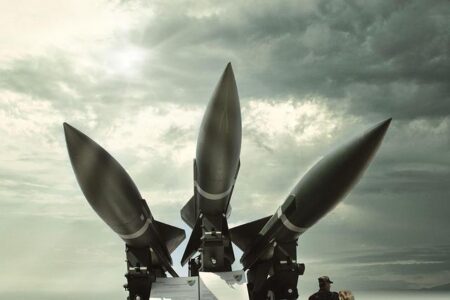
- Enhancing arms sales and joint military exercises to reinforce security collaboration
- Engaging with a broader spectrum of Iranian political factions to hedge against uncertainties
- Employing multilateral forums to isolate Western influence and legitimize bilateral cooperation
By diversifying its engagement toolkit, Russia aims to remain indispensable to Iran irrespective of the internal power shifts. This calculated maneuvering reflects Moscow’s broader geopolitical ambition to sustain influence across the Middle East, ensuring that it retains a strategic partner who can act as a counterbalance to Western interests and NATO’s expansive reach.
Economic and Security Partnerships as Pillars of Russia-Iran Relations
Amid shifting political landscapes in Tehran, Moscow’s commitment to reinforcing its ties with Iran remains unwavering, anchored firmly in robust economic and security cooperation. Over the years, these collaborations have evolved from opportunistic engagements into strategic pillars designed to withstand regional turbulence and international pressure. Russia continues to expand its economic footprint through energy projects, infrastructure investments, and trade agreements, leveraging Iran’s position as a vital gateway in the Middle East. These economic ventures not only bolster Iran’s economy but also serve Russia’s geopolitical agenda by creating mutual dependencies that are difficult to unravel.
On the security front, both nations have deepened their alliance through intelligence sharing, military drills, and joint operations aimed at countering perceived threats from Western powers and regional adversaries. Key areas of cooperation include:
- Counterterrorism efforts in volatile border regions
- Defense technology transfers enhancing Iran’s military capabilities
- Coordination in Syria to preserve shared strategic interests
These intertwined economic and security frameworks underscore Russia’s adaptive approach-ready to recalibrate its policies and strategies to ensure sustained influence regardless of the political currents in Tehran. This pragmatism signals a long-term vision where shared interests take precedence over transient upheavals.
Policy Recommendations for Moscow to Navigate Uncertainties and Strengthen Regional Presence
To effectively navigate the evolving political landscape in Iran and broader regional uncertainties, Moscow must prioritize a multifaceted strategy that balances diplomatic flexibility with reinforced economic ties. Strengthening bilateral trade agreements and fostering energy partnerships will be crucial to maintaining leverage amid shifting alliances. Additionally, investing in cultural and educational exchanges can help Moscow cultivate grassroots influence, ensuring long-term engagement beyond purely strategic interests. Emphasizing dialogue with diverse Iranian political factions could also safeguard Russia’s presence regardless of internal regime changes, underscoring an adaptive yet consistent foreign policy approach.
Key strategic measures for Moscow include:
- Expanding cooperation in critical sectors such as energy, infrastructure, and technology to deepen interdependency.
- Enhancing intelligence and security collaborations to address shared regional threats and stabilize contentious borders.
- Leveraging multilateral platforms to assert Russia’s role as a mediator and power broker in Middle Eastern affairs.
- Developing flexible diplomatic channels to engage emerging political actors within Iran and neighboring states.
- Prioritizing regional initiatives that align Moscow’s interests with those of other influential players, ensuring resilience against external pressures.
Concluding Remarks
As geopolitical dynamics continue to evolve in the Middle East, Russia’s commitment to maintaining its foothold in Iran remains unmistakable. Regardless of the challenges that come what may, Moscow’s strategic adaptability underscores its determination to preserve influence in a region vital to its broader ambitions. How this relationship unfolds will undoubtedly shape the balance of power and the future landscape of regional alliances.