
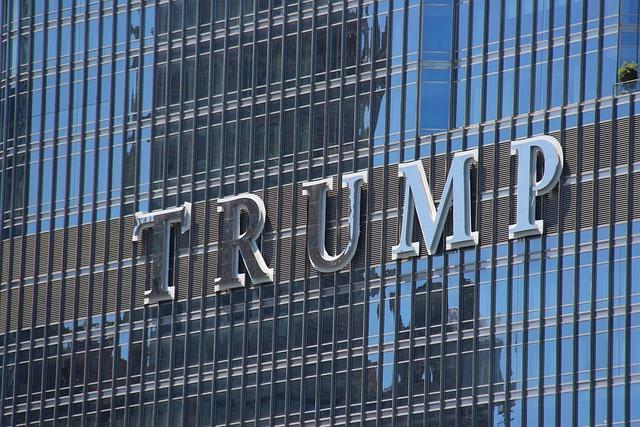
In a significant development signaling potential shifts in U.S.-India trade relations, a senior aide to former President Donald Trump has hinted at the possibility of removing the 25% tariffs imposed on Indian goods. The move, if realized, could mark a major step toward easing trade tensions between the two economic partners and boosting bilateral commerce. This announcement comes amid ongoing discussions aimed at recalibrating tariffs and strengthening economic ties, raising hopes for a more favorable trade environment in the near future.
Path To Removing 25 Percent Tariffs On India Explored By Trump Aide
In a significant development that could reshape US-India trade relations, a senior aide to former President Donald Trump has indicated progress toward lifting the 25% tariffs currently imposed on Indian goods. During a recent discussion, the aide underscored the potential for negotiations to advance, highlighting a mutual interest in resolving trade disputes that have hindered bilateral commerce. This move reflects ongoing efforts to ease tensions and promote a more balanced economic partnership between the two nations.
Key points from the discussion include:
- Recognition of India’s growing role in the global supply chain and its importance as a strategic partner.
- Exploration of mechanisms to address trade imbalances without compromising US industry interests.
- Commitment to a dialogue-driven approach, ensuring tariff policies reflect current economic realities.
- Potential timelines indicating a phased removal or reduction of tariffs contingent on progress in negotiations.
Implications For Indo US Trade Relations And Economic Growth
The potential removal of the 25% tariffs on Indian goods signals a pivotal shift in the Indo-US trade dynamic, promising to rejuvenate bilateral economic ties. These tariffs, initially imposed under the previous administration, strained trade flows and created uncertainty for exporters and investors alike. Their rollback could alleviate pressure on Indian industries, particularly in sectors like textiles, chemicals, and pharmaceuticals, enabling them to regain competitiveness in the lucrative US market. This development also paves the way for enhanced dialogue on other trade issues, potentially fostering a more collaborative environment that benefits both economies.
From a macroeconomic perspective, easing trade barriers may act as a catalyst for growth by stimulating cross-border investments, technology exchange, and supply chain integration. For India, the removal aligns with ambitions to bolster exports and attract foreign capital, crucial for sustaining its high-growth trajectory amid global headwinds. In the US, reduced tariffs could lower input costs for manufacturers relying on Indian components, promoting efficiency and consumer affordability. Key implications include:
- Revitalized export sectors in India gaining better market access and increased demand.
- Improved investor confidence encouraging portfolio inflows and joint ventures.
- Strengthened strategic partnership underpinning broader geopolitical and economic cooperation.
Strategic Recommendations For Negotiating Tariff Reductions
To effectively advance discussions on tariff reductions, it is essential to prioritize a multifaceted negotiation approach. Stakeholders should focus on building mutual trust through transparent communication channels, ensuring that both parties clearly outline their economic priorities and red lines. Engaging in sector-specific dialogues can isolate sensitive industries, allowing for incremental tariff adjustments without jeopardizing broader trade relations. Additionally, leveraging bilateral forums and trade working groups can expedite consensus, while simultaneously providing a platform to address underlying trade concerns beyond tariffs, such as intellectual property rights and market access.
Employing a combination of economic data analytics and geopolitical insights will also strengthen bargaining power. Negotiators must prepare comprehensive impact assessments that highlight the benefits of tariff easing, not only for exporters and importers but for the overall bilateral economic partnership. Emphasizing win-win outcomes through strategic concessions and incentives can foster a cooperative atmosphere. Furthermore, incorporating mechanisms for periodic review and adjustment of tariff schedules can maintain flexibility, enabling both countries to respond to evolving market conditions without abrupt disruptions.
- Focus on incremental tariff easing targeting vulnerable sectors
- Maintain open, bilateral communication channels
- Utilize data-driven impact analyses to support negotiations
- Incorporate flexible review mechanisms to sustain long-term agreements
- Align tariff discussion with broader trade and economic policies
Key Takeaways
As discussions continue between the United States and India on trade and tariff regulations, the potential removal of the 25% tariffs marks a significant development in bilateral economic relations. While details remain tentative, this move could pave the way for enhanced cooperation and greater market access, reflecting a strategic shift in U.S. trade policy towards India. Stakeholders from both nations will be watching closely as negotiations evolve, seeking clarity on the path ahead and its implications for global trade dynamics.