
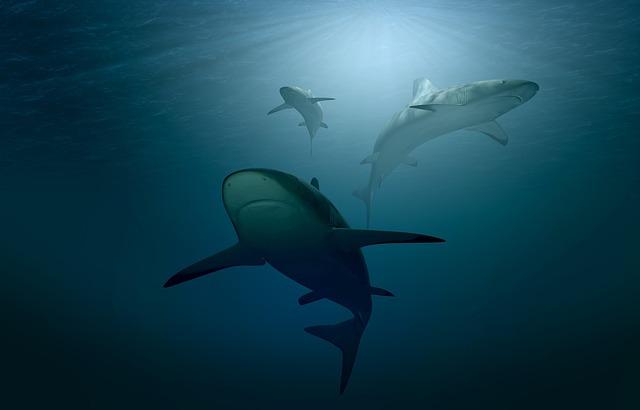
As Australia heads into the heart of summer, beachgoers and coastal communities are confronting an unsettling reality: encounters with dangerous ocean creatures appear to be on the rise. Reports of jellyfish stings, shark sightings, and other marine hazards have sparked widespread concern, casting a shadow over the nation’s beloved summer pastime. This surge has prompted experts to investigate the environmental and ecological factors contributing to the increased presence of these potentially harmful species along Australia’s shores. In this article, we explore why it feels like dangerous ocean creatures are disrupting Australia’s summer and what it means for residents and tourists alike.
Rising Ocean Temperatures Fuel Surge in Dangerous Marine Life Along Australian Shores
As ocean temperatures rise due to climate change, coastal waters around Australia are becoming increasingly hospitable to a variety of marine species previously uncommon in these regions. This shift has led to a notable uptick in encounters with hazardous creatures, including box jellyfish, blue-ringed octopuses, and venomous stonefish, disrupting the usual balance of marine ecosystems. Scientists warn that the warming seas encourage the proliferation and extended range of these species, making once seasonal visits more frequent and widespread along popular beaches.
Key factors driving this phenomenon include:
- Extended breeding seasons and faster growth rates of venomous marine species.
- Altered migration patterns forcing dangerous species closer to shorelines.
- The decline of natural predators due to environmental stressors.
Local authorities are urging beachgoers to stay informed about safety guidelines while marine biologists continue to monitor population changes, seeking solutions to mitigate risks and preserve Australia’s coastal environment.
Impact on Tourism and Local Communities Intensifies Amidst Increasing Shark and Jellyfish Sightings
The surge in shark and jellyfish sightings along Australia’s coastline has significantly disrupted the summer tourism season, a vital economic driver for many seaside towns. Beach closures and swimming restrictions have become increasingly common, prompting cancellations of bookings and a decline in visitor numbers. Local businesses, ranging from beachfront cafes to tour operators, are grappling with the ripple effects as wary tourists opt for safer inland destinations. This shift not only impacts financial revenues but also challenges the social fabric of communities traditionally centered around vibrant beach cultures.
Authorities and environmental experts emphasize the complex interplay of factors such as changing ocean temperatures and altered marine ecosystems that contribute to the increased presence of these creatures near popular recreational areas. In response, communities have mobilized to implement safety measures, including enhanced shark monitoring programs and the installation of jellyfish nets. However, residents express concerns about the long-term viability of these strategies, advocating for balanced approaches that prioritize both human safety and the conservation of marine biodiversity. Key impacts include:
- Reduced tourist inflow affecting local economies
- Heightened safety initiatives increasing operational costs
- Community anxiety over environmental shifts and future summers
Experts Advocate Enhanced Safety Measures and Public Awareness Campaigns to Mitigate Risks
Marine biologists and safety experts are unanimously calling for a multi-faceted approach to reduce the rising incidents involving hazardous sea life along Australia’s popular coastal regions. Emphasizing proactive strategies, specialists suggest that a combination of advanced monitoring technologies, increased lifeguard presence, and the distribution of comprehensive safety gear could significantly diminish the risks for swimmers and surfers alike. Real-time tracking systems and predictive models are already being piloted to alert beachgoers about potential sightings of jellyfish swarms, dangerous sharks, and other marine threats before they reach crowded shorelines.
Alongside technological and operational upgrades, a robust public information campaign is being championed to enhance community awareness and responsiveness. This initiative would include:
- Educational workshops in schools and local communities to teach hazard recognition and first aid.
- Clearer signage about current marine risks and safety protocols at all major beaches.
- Widespread distribution of digitally accessible safety guidelines and emergency contact information via mobile apps and social media channels.
Experts argue that fostering a culture of informed caution and respect for marine environments is essential-not only to protect lives but to sustain Australia’s vibrant tourism industry that depends heavily on safe beach experiences.
Insights and Conclusions
As Australia heads deeper into summer, the heightened encounters with dangerous ocean creatures are a stark reminder of the complex interplay between climate change, marine ecosystems, and human activity. While these incidents have fueled public concern and impacted coastal tourism, experts emphasize the importance of understanding these patterns rather than succumbing to fear. Ongoing research and adaptive safety measures remain crucial in balancing public enjoyment of Australia’s beaches with the realities of an evolving marine environment.