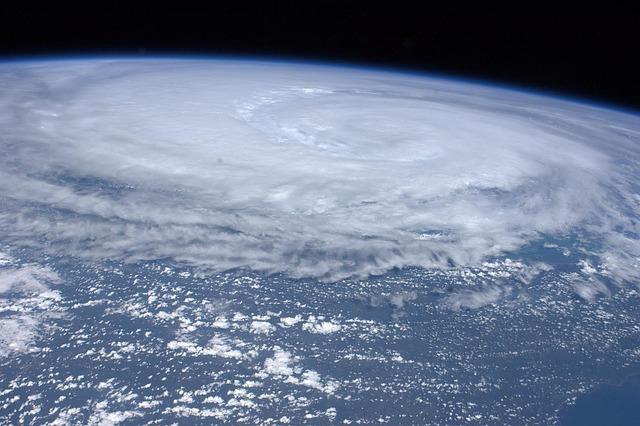
Cyclone Harry has wreaked havoc across southern Italy, leaving a trail of destruction and an estimated $2 billion in damages, according to reports from Anadolu Ajansı. The powerful storm triggered widespread flooding, infrastructure collapse, and significant disruptions to daily life, prompting emergency responses and raising urgent questions about preparedness in the region. As recovery efforts begin to unfold, authorities are assessing the full extent of the cyclone’s impact on communities and the economy.
Cyclone Harry Devastates Southern Italy Leaving Widespread Damage
In the wake of Cyclone Harry’s wrath, southern Italy finds itself grappling with severe destruction that has affected thousands of residents and compromised critical infrastructure. Reports from local authorities indicate that entire neighborhoods, particularly in Calabria and Sicily, have suffered from flooding, uprooted trees, and collapsed buildings. Emergency services continue to work tirelessly as power outages remain widespread, complicating rescue efforts and the basic provision of utilities.
Key impacts of Cyclone Harry include:
- Displacement of over 20,000 people due to damaged homes.
- Major disruptions to transportation, with several roads and rail lines rendered impassable.
- Extensive agricultural losses, threatening local economies and food supply chains.
- Declared states of emergency by regional governments to expedite aid and recovery operations.
Assessing the Economic Impact and Infrastructure Challenges Post-Cyclone
The devastation unleashed by Cyclone Harry has triggered a profound ripple effect across southern Italy’s economy. Preliminary assessments estimate damages soaring to nearly $2 billion, underscoring the severity of the storm’s aftermath. Key sectors such as agriculture, tourism, and small-scale manufacturing have borne the brunt of the cyclone’s wrath, with extensive crop loss, disrupted tourist seasons, and damaged production facilities. The disruption of supply chains and local markets threatens to prolong economic recovery, impacting livelihoods and stalling regional growth prospects for months to come.
Infrastructure has suffered widespread destruction, exacerbating the already complex recovery scenario. Critical challenges include:
- Flooded and eroded roadways limiting transportation and emergency response capabilities
- Damaged railway lines disrupting regional connectivity and freight movement
- Utilities outages affecting water supply, electricity, and communication networks
- Structural damage to bridges and public buildings, requiring urgent repairs
Authorities and emergency teams are mobilizing to restore essential services swiftly, but the scale of reconstruction demands substantial investment and coordination. The resilience of southern Italy’s infrastructure will be pivotal in mitigating long-term economic fallout and stabilizing the affected communities.
Urgent Recommendations for Disaster Preparedness and Resilient Reconstruction in Affected Regions
In the wake of Cyclone Harry’s devastating impact on southern Italy, immediate action is essential to enhance disaster preparedness and ensure the resilience of vulnerable communities. Authorities must prioritize the establishment of robust early warning systems that can effectively alert residents to imminent threats, minimizing loss of life and property. Strengthening local infrastructure, such as reinforcing bridges, roads, and utility networks, is critical to withstand future storms and reduce economic disruption. Additionally, fostering community engagement through targeted awareness campaigns will empower citizens to respond swiftly and appropriately during emergencies.
Reconstruction efforts should adopt a holistic and sustainable approach, focusing on rebuilding with resilience at the forefront. Strategies include:
- Incorporating climate-adaptive building standards to better resist extreme weather events.
- Investing in natural barriers, such as restoring wetlands and forests that can absorb floodwaters and mitigate storm surges.
- Enhancing coordination among regional governments and disaster response agencies to streamline resource allocation and recovery operations.
- Promoting economic diversification to reduce vulnerability of local economies heavily reliant on a single sector.
Prioritizing these measures will not only accelerate recovery but also build a safer and more resilient future for the affected regions.
Closing Remarks
As recovery efforts continue across southern Italy, the full extent of Cyclone Harry’s devastation is still being assessed. With damages estimated at $2 billion, authorities face the daunting task of restoring infrastructure, aiding affected communities, and implementing measures to mitigate the impact of future extreme weather events. The storm serves as a stark reminder of the growing challenges posed by climate change, underscoring the urgent need for enhanced preparedness and resilient response strategies in the region.