
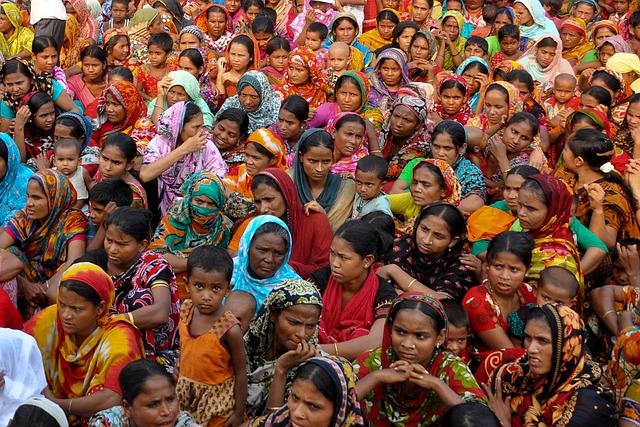
In a troubling development, workers from Bangladesh who traveled to Russia in search of employment have reportedly been redirected to the frontlines of the conflict in Ukraine, according to multiple sources. What began as a quest for economic opportunity has taken a dangerous and unexpected turn, raising concerns about the exploitation and misuse of migrant labor amid the ongoing war. ABC News investigates how these individuals were drawn into a conflict far removed from their original intentions, highlighting the broader human costs of the crisis.
Bangladeshi Migrant Workers Lured by Russian Job Offers Face Unexpected Military Deployment in Ukraine
In a distressing turn of events, several Bangladeshi nationals, initially attracted by the promise of lucrative employment opportunities in Russia, have found themselves unexpectedly conscripted into the ongoing conflict in Ukraine. These workers, many of whom had left their families with hopes of financial stability, were reportedly misled by recruitment agents who failed to disclose the true nature of their deployment. Upon arrival, instead of embarking on civilian job roles, they were thrust into military operations, raising serious concerns about violations of human rights and labor laws.
The situation has sparked outrage among human rights organizations and the Bangladeshi government, which is now investigating the recruitment networks responsible for this deception. Key issues highlighted include:
- False promises: Workers were assured of standard employment but were conscripted into active combat.
- Lack of informed consent: Many were unaware of the risks or actual roles awaiting them.
- Calls for repatriation: Families and officials urge immediate evacuation and support for the affected workers.
This revelation underscores the perils vulnerable migrant workers face amid geopolitical tensions, calling for stricter oversight and international cooperation to prevent such exploitation.
Human Rights Concerns Rise Over Forced Conscription of Foreign Laborers in Conflict Zones
Reports have emerged that hundreds of Bangladeshi workers, who initially sought employment opportunities in Russia, have found themselves involuntarily recruited to fight in the ongoing conflict in Ukraine. These laborers were allegedly misled by recruitment agencies with promises of stable jobs, only to be thrust into frontline positions under duress. Families back home express grave concerns over the safety of their relatives, highlighting a disturbing pattern of exploitation and coercion in war zones where foreign labor is being forcibly conscripted.
Key human rights issues raised include:
- Violation of international labor laws prohibiting forced military service of foreign civilians.
- Inadequate protection and compensation for workers caught in hostile territories.
- Lack of transparency from companies and governments involved in the recruitment process.
Human rights organizations are calling for urgent investigation and intervention to ensure the rights and safety of these vulnerable workers are upheld, urging all parties to comply with international humanitarian standards.
Calls for Greater Government Oversight and Support for Overseas Workers in High-Risk Regions
Amid growing reports of Bangladeshi workers being unexpectedly deployed to conflict zones like Ukraine, there is a mounting demand from human rights groups and labor advocates for intensified government intervention. Critics argue that inadequate pre-departure screening and the absence of robust monitoring mechanisms have left migrant workers vulnerable to exploitation and involuntary conscription. They emphasize the need for a comprehensive regulatory framework that ensures transparency in overseas job placements and enforces strict compliance by recruitment agencies.
Key recommendations put forth by experts and community leaders include:
- Establishment of a dedicated oversight body to track and verify employment opportunities abroad, especially in geopolitically unstable areas.
- Enhanced diplomatic engagement with host countries to safeguard the rights and safety of migrant laborers.
- Mandatory pre-departure training programs that inform workers about potential risks and legal protections.
- Accessible support channels for overseas workers to report abuse or coercion without fear of retaliation.
Advocates stress that without decisive steps, the cycle of exploitation risks continuing unchecked, leaving vulnerable populations exposed to grave dangers far from home.
The Conclusion
The troubling reports of Bangladeshi workers who sought employment opportunities in Russia only to find themselves coerced into the conflict in Ukraine have drawn international concern and condemnation. As investigations continue, calls for greater oversight and protection of migrant workers have intensified, highlighting the urgent need for transparent recruitment practices and stronger diplomatic efforts to safeguard vulnerable individuals caught in geopolitical turmoil. The situation remains fluid, with global attention focused on ensuring accountability and justice for those affected.