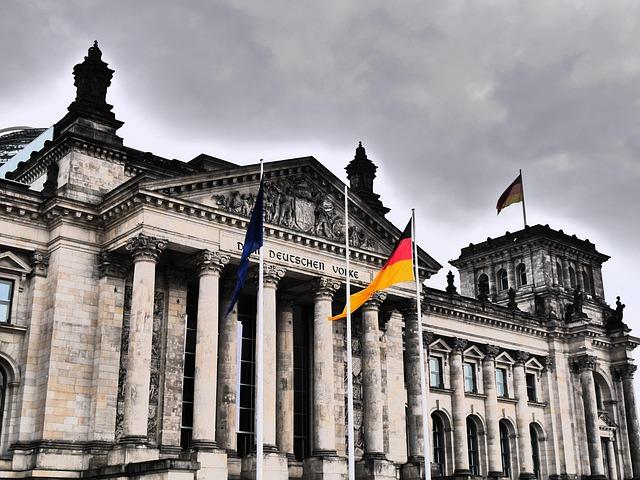
The German Parliament has approved an extension of its military deployment in the Kurdistan Region, authorizing German troops to remain stationed there until the end of 2027. This decision underscores Germany’s continued commitment to regional security and stability amid ongoing challenges in northern Iraq. The move, reported by Kurdistan24.net, highlights the strategic importance of the Kurdistan Region as a key partner in counterterrorism efforts and broader geopolitical dynamics in the Middle East.
German Parliament Approves Extension of Military Mission in Kurdistan Region
The German Bundestag has given the green light to prolong its country’s military presence in the Kurdistan region, underlining Berlin’s ongoing commitment to regional stability and counter-terrorism efforts. The extension authorizes the deployment of German troops as part of the coalition supporting Iraq’s fight against extremist factions, with a new mandate effective until December 31, 2027. This decision comes amid evolving security challenges and continued cooperation between German forces and local Kurdish Peshmerga units.
Key details of the extended mission include:
- Training and advisory roles: German soldiers will focus on enhancing the operational capabilities of Kurdish security forces through specialized training programs.
- Counter-terrorism collaboration: The mission aims to disrupt and deter extremist groups that threaten the region’s stability.
- Joint intelligence sharing: Improved coordination between German and Kurdish intelligence services is anticipated to bolster tactical effectiveness.
- Support in humanitarian efforts: The military presence also facilitates logistical support for displaced populations affected by conflict.
Strategic Significance and Regional Stability Implications of Prolonged Deployment
The German parliament’s decision to extend its military presence in the Kurdistan Region signals a deepening commitment to the area’s security architecture. This prolonged deployment serves not only as a deterrent against the resurgence of extremist groups but also as a strategic foothold for Germany within a geopolitically sensitive zone. By maintaining troops until the end of 2027, Germany aims to bolster counterterrorism efforts, support local security forces, and contribute to stability in a region marked by complex political dynamics and ongoing security challenges.
This extension carries significant implications for regional stability, particularly in the context of Kurdish-Iraqi relations and broader Middle Eastern power balances. Key impacts include:
- Enhanced intelligence sharing and military cooperation between Germany and Kurdistan Regional Government forces.
- Strengthening of local institutions through training programs designed to increase the operational capacity of Kurdish security units.
- Deterrence against hostile actors, including extremist factions and external influences seeking to destabilize the region.
- Promotion of political dialogue by contributing to a security environment conducive to negotiations and conflict resolution.
Collectively, these factors underscore the strategic calculus behind Germany’s sustained engagement, reflecting a broader international interest in preserving the Kurdistan Region as a pillar of stability and progress within Iraq and the Middle East.
Expert Recommendations for Enhancing Cooperation and Security Outcomes
Experts emphasize the importance of deepening strategic collaboration between German forces and local security units to maximize the effectiveness of the extended deployment. Key recommendations include enhancing joint training programs focused on counterterrorism and crisis response, which would not only sharpen operational capabilities but also foster mutual trust and understanding among allied personnel. Prioritizing intelligence-sharing frameworks is also regarded as critical, enabling faster and more precise reactions to emerging security threats within the Kurdistan Region.
Furthermore, experts call for sustained investment in community engagement initiatives, highlighting that cooperation extends beyond military coordination. By supporting local governance and development projects alongside security operations, German forces can contribute to creating a more stable environment conducive to long-term peace. Suggested measures include:
- Implementing joint patrols with Kurdish forces to improve situational awareness
- Establishing communication channels to swiftly address any civilian concerns
- Conducting regular assessments to adapt strategies based on ground realities
These steps are seen as pivotal in reinforcing both security outcomes and the overall partnership between Germany and the Kurdistan Region.
In Conclusion
The German Parliament’s decision to extend troop deployment in the Kurdistan Region until the end of 2027 underscores Germany’s continued commitment to regional stability and counterterrorism efforts. As the security landscape in northern Iraq remains complex, this extension signals a sustained partnership between Berlin and Erbil aimed at supporting local forces and combating extremist threats. Observers will be closely watching how this prolonged presence influences both the geopolitical dynamics in the region and Germany’s broader foreign policy objectives in the coming years.