
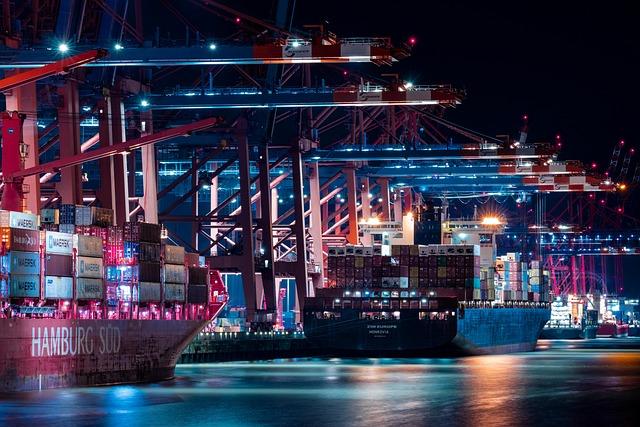
Argentina’s seafood export sector is confronting escalating challenges as delays in the ratification of the EU-Mercosur trade agreement continue to stall. The prolonged uncertainty surrounding the deal is placing mounting pressure on exporters who rely heavily on access to European markets. With key provisions pending approval, industry stakeholders warn that the lack of trade facilitation risks undermining Argentina’s competitiveness amid rising global demand and intensifying competition from other seafood-producing nations. This impasse casts a shadow over a critical segment of the country’s economy, raising concerns about the future trajectory of its seafood export growth.
Argentina Seafood Sector Confronts Rising Challenges Amid Prolonged EU-Mercosur Trade Agreement Stalemate
Argentina’s seafood industry is grappling with increased uncertainty as negotiations between the European Union and Mercosur remain at a standstill. This delay continues to hinder exporters who rely heavily on tariff reductions to compete in the lucrative EU market, one of the largest consumers of seafood globally. Without the implementation of favorable trade terms, Argentine producers face mounting cost pressures, reduced profit margins, and growing difficulties in maintaining their market share against competitors benefiting from existing agreements elsewhere.
Key challenges confronting the sector include:
- Tariff barriers: Persistently high tariffs imposed by the EU limit price competitiveness of Argentine seafood products.
- Supply chain disruptions: Extended delays in regulatory alignment affect the timely export of perishable goods.
- Increased competition: Rival exporters from countries with more advantageous trade agreements exert additional pressure on Argentine suppliers.
- Investment uncertainty: Unpredictable trade outcomes dampen investor confidence, restricting sector growth and modernization efforts.
Stakeholders across the sector urge both sides to rekindle talks and reach a compromise that can secure market access and foster sustainable growth for Argentina’s seafood exports. The prolonged impasse risks eroding hard-won gains in global trade and undermining the livelihoods of coastal communities dependent on the fishing industry.
Impact of Delayed EU-Mercosur Deal on Argentina’s Seafood Export Competitiveness and Market Access
The prolonged postponement of the EU-Mercosur trade agreement continues to exert substantial pressure on Argentina’s seafood sector, undermining its ability to compete effectively in key European markets. Argentine exporters are caught in a web of elevated tariffs and complex regulatory hurdles that their counterparts from other Mercosur countries no longer face, thanks to existing bilateral arrangements. This disparity not only inflates costs but also causes delays in shipping and customs clearance, which are particularly detrimental to the perishable seafood industry. As a result, the country’s seafood products risk losing shelf space to competitors offering similar quality at lower prices, threatening long-term market share erosion.
Key challenges currently affecting Argentina’s seafood exporters include:
- High tariff barriers exceeding 10%, increasing export costs.
- Inconsistent sanitary and phytosanitary standards complicating product approvals.
- Reduced negotiation power within the Mercosur bloc delaying harmonized trade measures.
- Increased vulnerability to substitution by other emerging seafood suppliers.
Industry stakeholders warn that without swift resolution of the EU-Mercosur deal, Argentina might face declining export volumes and diminished investment in its seafood infrastructure. The sector’s growth potential appears stymied, calling for urgent diplomatic efforts to finalize agreements that would restore competitiveness and secure unimpeded access to crucial EU markets.
Strategic Recommendations for Argentine Exporters to Navigate Uncertainties in Global Seafood Trade
Argentine seafood exporters must adopt a multifaceted approach to mitigate risks linked to protracted delays in the EU-Mercosur trade agreement, which continues to cloud market access and tariff predictability. To enhance resilience, companies should prioritize diversifying their export destinations beyond traditional European markets, tapping into emerging economies across Asia and Latin America where demand for high-quality seafood is on the rise. Strategic partnerships with local distributors and investments in cold-chain logistics will be vital to ensuring product quality and timely delivery in these competitive arenas. Additionally, emphasizing sustainability certifications and traceability can differentiate Argentine seafood amid growing consumer scrutiny on environmental impact and ethical sourcing.
Internally, exporters are advised to strengthen their financial and operational agility through prudent cost management and adoption of digital tools that enhance supply chain transparency and market responsiveness. Engagement with governmental trade bodies to advocate for expedited negotiations and supportive policies remains crucial, alongside leveraging promotional campaigns that highlight Argentina’s unique seafood offerings. Key tactical considerations include:
- Expanding market intelligence efforts to identify niche trends and evolving consumer preferences worldwide.
- Investing in value-added processing to move beyond raw exports and capture higher-margin segments.
- Enhancing certification compliance with internationally recognized sustainability frameworks such as MSC or ASC.
- Fostering collaboration within industry associations to unify export strategies and amplify lobbying power.
Future Outlook
As delays in finalizing the EU-Mercosur trade agreement continue, Argentina’s seafood exporters confront mounting uncertainty and intensified market pressures. Industry stakeholders warn that prolonged negotiations risk diminishing the country’s competitiveness in the lucrative European market, potentially impacting both economic growth and employment within the sector. With no clear resolution in sight, Argentina’s seafood industry remains on edge, closely monitoring diplomatic developments that will shape the future of its export landscape.