
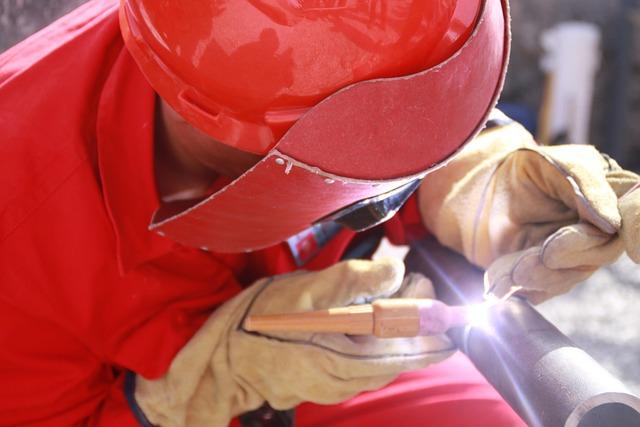
France’s crucial gas pipeline connection to Germany is set to operate below capacity until mid-2026, according to recent reports. This development underscores ongoing challenges in Europe’s energy infrastructure amid shifting supply dynamics and geopolitical tensions. The reduced pipeline throughput is expected to have significant implications for cross-border gas flows, energy security, and market stability in the region. Stakeholders and policymakers are closely monitoring the situation as efforts continue to address maintenance issues and ensure long-term reliability.
France Faces Prolonged Reduction in Gas Pipeline Capacity Impacting Energy Supply to Germany
France’s vital gas pipeline supplying Germany is set to operate at diminished capacity until mid-2026, a development that poses significant challenges to the regional energy landscape. The prolonged reduction stems from necessary infrastructure maintenance and safety upgrades on one of the key transit routes, which has forced authorities to scale back operational flow rates. This pipeline, a linchpin in the European gas network, facilitates the delivery of substantial volumes crucial for Germany’s industrial hubs and residential consumption. Energy analysts warn that this capacity constraint could exacerbate supply tightness amid already volatile market conditions and rising demand for cleaner energy sources.
Key impacts of the disruption include:
- Reduced gas deliveries: Lower throughput may lead to supply shortfalls, particularly during winter peaks.
- Increased reliance on alternative sources: Germany may need to accelerate imports from LNG terminals and pipeline routes from neighboring countries.
- Price volatility: The restricted pipeline capacity is expected to fuel fluctuations in gas prices across European markets.
Industry leaders are urging coordination between French and German energy authorities to mitigate risks, emphasizing accelerated infrastructure investments and enhanced cross-border cooperation as vital steps moving forward.
Technical Challenges Underpinning the Limitations and Efforts to Mitigate Disruptions
The extended period of reduced throughput on the France-Germany gas pipeline arises from a complex array of technical challenges primarily related to aging infrastructure and stringent regulatory compliance demands. Key issues include corrosion within critical pipeline sections, necessitating extensive inspection and maintenance protocols that require partial shutdowns. Additionally, integration hurdles with modern supervisory control and data acquisition (SCADA) systems have resulted in delays, as outdated components struggle to meet cybersecurity standards aimed at preventing potential sabotage or cyberattacks. The cumulative effect of these factors is constricted flow capacity, creating a bottleneck in the broader European gas supply network.
Efforts to mitigate these disruptions have involved a multipronged strategy:
- Targeted repair campaigns, utilizing advanced inline inspection technologies to precisely locate and address pipeline anomalies without complete shutdowns.
- Incremental upgrades of control and monitoring infrastructure, phased to minimize operational impact while enhancing real-time system responsiveness.
- Cross-border coordination between French and German regulatory agencies to streamline safety certainties and expedite technical clearance.
Despite these measures, the complexity of rehabilitating a vital artery within a live network constrains the speed of capacity restoration, underscoring the broader challenge Europe’s energy infrastructure faces amid evolving geopolitical and environmental pressures.
Strategic Recommendations for Enhancing Cross-Border Energy Infrastructure Resilience
To mitigate vulnerabilities in cross-border energy systems, stakeholders must prioritize the diversification of supply routes and sources. Strengthening interconnectivity through alternate pipeline corridors can provide crucial redundancy, ensuring that disruptions in one link do not cascade into broader shortages. Additionally, the integration of advanced monitoring technologies-including real-time flow analytics and automated fault detection-can significantly enhance the rapid identification and resolution of potential issues, reducing downtime and operational risks. Collaboration between national regulators and operators is essential to harmonize safety standards and emergency response protocols, fostering a unified approach to managing infrastructure resilience.
Investment in strategic infrastructure upgrades must be accompanied by the adoption of adaptive maintenance regimes focused on predictive analytics, which anticipate wear and stress factors before failures occur. Equally important is the establishment of contingency frameworks that incorporate diversified energy portfolios, such as increased liquefied natural gas (LNG) imports and renewable gas integration, mitigating overreliance on single pipeline routes. Policymakers and industry leaders should also intensify efforts to bolster cyber-defense mechanisms, recognizing the increasing threat of digital attacks on critical energy assets. Collectively, these measures will enhance the robustness of the cross-border gas network, securing energy continuity through periods of operational constraint.
- Diversification of supply routes and energy sources
- Advanced monitoring and predictive maintenance technologies
- Harmonized regulatory and emergency response frameworks
- Integration of LNG and renewable gases into the supply mix
- Strengthened cybersecurity protocols for critical infrastructure
Final Thoughts
As France’s crucial gas pipeline link to Germany is set to operate below capacity until mid-2026, the energy landscape of Western Europe faces notable challenges. This prolonged reduction underscores the growing complexities of cross-border energy infrastructure amid shifting geopolitical and environmental priorities. Stakeholders and policymakers will need to closely monitor the situation to mitigate potential supply constraints and support the region’s transition towards a more resilient and sustainable energy future.