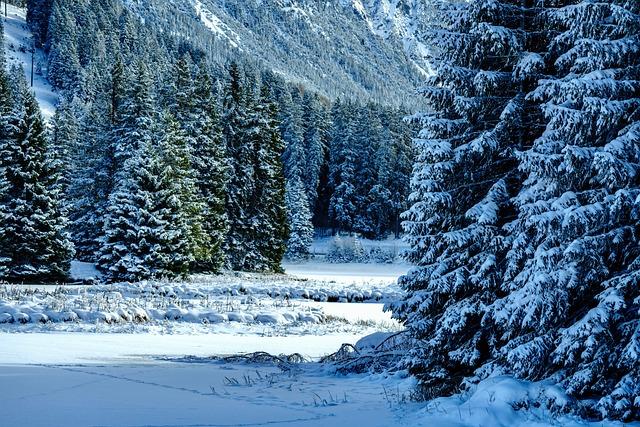
Northern Japan has been engulfed by a series of severe winter storms, resulting in snow piles reaching nearly seven feet high and causing widespread disruptions. According to AccuWeather, these deadly storms have led to hazardous travel conditions, power outages, and forced evacuations across multiple prefectures. Authorities continue to warn residents as cleanup efforts are underway amid ongoing snowfall, highlighting the region’s struggle to cope with one of its harshest winters in recent memory.
Snow Accumulation Reaches Record Heights Impacting Transportation and Infrastructure
Unrelenting winter storms have unleashed a historic snowfall across northern Japan, with snowdrifts towering nearly 7 feet in some areas. This unprecedented accumulation has severely disrupted daily life, leading to widespread road closures, delayed train services, and an influx of emergency response operations. Local authorities are grappling with the mounting challenges posed by the deep snow, which has buried vehicles, toppled power lines, and caused infrastructure strain in affected regions.
Key impacts include:
- Suspension of major rail lines connecting prefectures, stranding thousands of commuters.
- Blocked highways and rural roads, complicating the delivery of essential goods and emergency services.
- Structural damage to rooftops and public buildings under the immense weight of accumulated snow.
- Public warnings urging residents to avoid non-essential travel and brace for ongoing hazardous conditions.
Efforts to clear pathways continue around the clock, with snow removal crews employing heavy machinery to tackle the mountainous drifts. Despite these measures, the persistent storm system is expected to maintain pressure on transportation networks and infrastructure, highlighting the region’s vulnerability to extreme winter weather events.
Emergency Services Mobilize Amid Rising Risks of Avalanches and Structural Damage
Emergency responders in northern Japan have been deployed on a massive scale as snow accumulation approaches seven feet, creating a precarious environment for both residents and infrastructure. Rescue teams, equipped with heavy machinery and expert personnel, are conducting continuous patrols to identify and address areas most vulnerable to avalanches. Authorities have issued urgent warnings to residents to remain indoors where possible and avoid travel, emphasizing the heightened risk of sudden snow slides and blocked roadways that could isolate communities.
Priority actions currently underway include:
- Clearing snow from critical access points and transport routes to facilitate emergency movement.
- Reinforcing weakened structural elements of homes and public buildings to prevent collapses.
- Coordinating evacuation plans for at-risk populations in mountainous regions.
- Deploying medical and relief teams ready to assist with potential injuries and disruptions.
The concerted efforts aim to mitigate the impact of the relentless storms, which have already resulted in multiple casualties and widespread damage. Community cooperation remains essential as service teams push to stabilize conditions and prepare for possible further snowfall.
Safety Tips for Residents Navigating Extreme Winter Conditions in Northern Japan
Residents enduring the relentless winter assault are urged to prioritize their safety both outdoors and inside their homes. When venturing outside, individuals should wear layered, waterproof clothing including insulated boots and gloves to retain body heat and prevent frostbite. Carrying emergency kits with essentials such as flashlights, batteries, food, and water can prove lifesaving if stranded. Avoid traveling alone or during blizzard conditions, and always inform someone of your route and expected arrival time. Clearing snow from rooftops and vents regularly is essential to prevent structural damage and maintain proper ventilation.
Local authorities emphasize preparedness through simple but crucial steps, including:
- Stockpiling sufficient food, water, and medical supplies for multiple days.
- Checking heating systems and keeping backup heat sources ready, ensuring safe ventilation to prevent carbon monoxide poisoning.
- Keeping pathways and emergency exits free from snow and ice to facilitate quick evacuation if necessary.
- Staying informed with real-time updates via reliable news sources and weather advisories.
To Wrap It Up
As northern Japan continues to grapple with the aftermath of these unprecedented snowstorms, authorities are urging residents to remain vigilant and take necessary precautions amid ongoing hazardous conditions. Emergency crews are working tirelessly to clear the towering snow piles and restore essential services, while meteorologists warn that additional snowfall may not be far off. This extreme weather event serves as a stark reminder of the region’s vulnerability to powerful winter storms and underscores the importance of preparedness in the face of nature’s unpredictability.