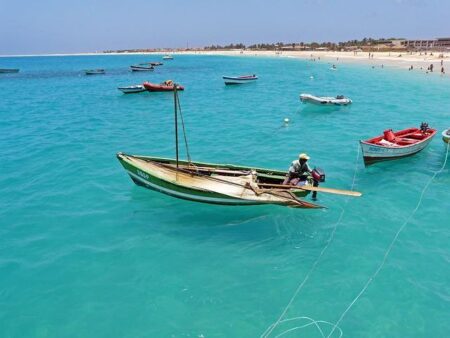

Brazil is rapidly emerging as a global tourism powerhouse, attracting an unprecedented influx of international visitors, with Spain, Portugal, Germany, and Italy leading the surge. Recent travel statistics reveal a significant boost in arrivals from these European markets, fueling an explosive growth that is reshaping Brazil’s tourism landscape. This remarkable trend underscores the country’s rising appeal as a diverse destination, offering everything from vibrant cultural experiences to breathtaking natural wonders. As Brazil capitalizes on these newfound connections, industry experts highlight the implications for its economy and the broader travel sector.
Brazil Emerges as a Leading Destination Driven by Cultural Richness and Natural Wonders
Brazil’s allure as a top travel hotspot is deeply rooted in its vibrant cultural tapestry and breathtaking landscapes. From the rhythmic beats of samba echoing through the streets of Rio de Janeiro during Carnaval to the historic charm of Salvador’s colonial architecture, visitors are immersed in a sensory feast. Nature enthusiasts find their paradise in the Amazon Rainforest’s unparalleled biodiversity and the awe-inspiring Iguazu Falls, which remain a must-see spectacle. This blend of dynamic urban culture and pristine natural wonders creates a unique magnetism that continues to captivate international travelers.
The recent surge in visitors from Spain, Portugal, Germany, and Italy has spotlighted Brazil as a key player on the global tourism map. Key factors driving this growth include:
- Tailored tour packages emphasizing cultural heritage and eco-tourism
- Enhanced air connectivity and bilateral travel agreements
- Investment in sustainable tourism infrastructure
- Active marketing campaigns highlighting Brazil’s diverse experiences
These strategic initiatives, coupled with Brazil’s innate charm, have not only boosted arrivals but have also fostered deeper cultural exchanges, enriching both visitors and local communities alike.
Spain Portugal Germany and Italy Play Key Roles in Driving Record International Arrivals
Europe’s tourism heavyweights-Spain, Portugal, Germany, and Italy-are emerging as pivotal drivers behind an unprecedented surge in global travel to Brazil. These countries have strengthened their connectivity through expanded flight routes, streamlined visa processes, and innovative marketing campaigns targeting Brazilian attractions. The result is a growing wave of international visitors fuelled by a blend of cultural curiosity, culinary allure, and vibrant festivals, all easily accessible thanks to enhanced transportation and cooperation between these European hubs and Brazil.
Key factors contributing to this momentum include:
- Direct airline partnerships reducing travel time and increasing flight frequency;
- Collaborative tourism promotions highlighting Brazil’s diverse landscapes, from the Amazon rainforest to the dynamic urban life of São Paulo and Rio de Janeiro;
- Tailored travel packages appealing to German and Italian travelers’ preferences for nature, history, and luxury experiences;
- Robust economic ties between Portugal and Brazil, fostering business and leisure travel alike.
This synergy not only contributes to the record international arrivals Brazil has witnessed but also cements the country’s standing as a top-tier global tourism powerhouse.
Strategic Recommendations for Tourism Stakeholders to Sustain Brazil’s Explosive Growth
To capitalize on Brazil’s unprecedented surge in visitors from Spain, Portugal, Germany, and Italy, tourism stakeholders must prioritize innovative infrastructure development and seamless travel experiences. Investment in expanding airport capacities, enhancing public transportation networks, and upgrading hospitality services will be crucial to accommodate the demand while maintaining quality. Additionally, integrating cutting-edge digital platforms for booking, virtual tours, and multilingual customer support can offer a personalized touch for European travelers, ensuring repeat visits and positive word-of-mouth endorsements.
Equally important is fostering sustainable tourism practices that safeguard Brazil’s unique ecosystems and cultural heritage. Stakeholders should champion eco-friendly initiatives, promote responsible travel behavior, and collaborate with local communities to create authentic experiences that resonate with European sensibilities. By championing a holistic approach-combining infrastructure, technology, and sustainability-Brazil can consolidate its position as a top global destination and sustain its explosive growth driven by the vibrant interest of Spanish, Portuguese, German, and Italian tourists.
In Conclusion
As Brazil continues to captivate travelers with its vibrant culture, diverse landscapes, and rich heritage, the surge in visitors from Spain, Portugal, Germany, and Italy underscores the country’s rising prominence on the global tourism stage. This influx not only boosts the local economy but also positions Brazil as a key player in international travel markets. With strategic investments and targeted marketing efforts, Brazil is well on its way to solidifying its status as a global tourism powerhouse, promising even more growth and opportunity in the years to come.