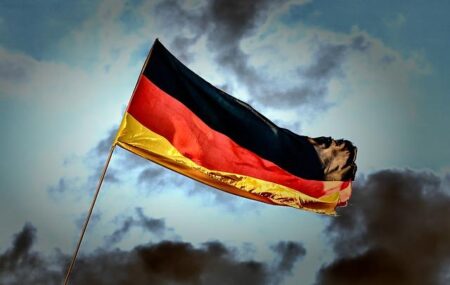

As the balance of power in Europe undergoes a profound transformation, attention increasingly turns to the question: who will emerge as the continent’s next hegemon? With traditional alliances shifting and new economic and military dynamics unfolding, the quest for regional dominance has taken on renewed urgency. This article delves into the complex geopolitical landscape shaping Europe’s future leadership, examining key players and the strategic maneuvers that could redefine the continent’s political order in the years ahead.
Europe’s Strategic Pivot Toward Global Influence
In recent years, Europe’s foreign policy has undergone a profound transformation, signaling a clear intent to reclaim its place as a dominant global actor. This recalibration moves beyond traditional diplomacy, embracing a more assertive approach in economic, technological, and security arenas. European leaders are increasingly focused on leveraging collective tools such as the European Union’s diplomatic service and strategic partnerships with emerging powers to amplify their influence. The shift is characterized by a willingness to challenge existing global power dynamics and assert a distinct European vision for multilateralism, climate action, and digital governance.
The continent’s strategic pivot is underpinned by several key priorities:
- Enhanced defense cooperation: Initiatives like the Permanent Structured Cooperation (PESCO) aim to build a unified European defense capability.
- Technological sovereignty: Investments in critical technologies are designed to reduce dependence on external powers.
- Economic resilience: Policies promote diversification of supply chains and new trade alliances to mitigate geopolitical risks.
- Global governance leadership: Active participation in shaping international norms through the UN, G20, and other multilateral platforms.
Together, these efforts illustrate a concerted drive for Europe to not only adapt to shifting geopolitical realities but to actively shape them in the decades ahead.
Balancing Power and Partnerships in a Multipolar World
As the global order shifts, Europe finds itself at a crossroads, navigating a landscape where no single power dominates but multiple actors vie for influence. The challenge lies in crafting strategies that do not merely seek dominance but recognize the complex interdependencies among states. European nations are increasingly investing in flexible alliances and multilayered partnerships-ranging from economic agreements to security pacts-that aim to balance influence without provoking destabilizing rivalries. This approach acknowledges that in a multipolar world, power is not a zero-sum game but a dynamic interplay where adaptive cooperation becomes as vital as traditional hard power.
To thrive amid this evolving reality, Europe must leverage its unique strengths and advocate for a rules-based international order that accommodates diverse interests. Key priorities include:
- Strengthening transatlantic ties while deepening engagement with emerging powers in Asia and Africa
- Promoting sustainable economic policies that align with global climate goals
- Enhancing collective defense mechanisms that deter aggression without escalating tensions
- Fostering diplomatic platforms that prioritize dialogue and conflict resolution
These efforts collectively serve to position Europe not only as a formidable economic bloc but as a bridge-builder capable of harmonizing the ambitions of competing actors in an increasingly fragmented international arena.
Policy Recommendations for Sustaining European Leadership
To safeguard its position on the global stage, Europe must prioritize strategic investments in technological innovation and digital infrastructure. Emphasizing research and development in emerging sectors such as artificial intelligence, green energy, and advanced manufacturing will not only enhance economic competitiveness but also secure critical supply chains vulnerable to geopolitical disruptions. Moreover, fostering transnational collaboration through enhanced EU frameworks can streamline decision-making processes, ensuring swift and unified responses to international crises.
Policy focus should also include:
- Strengthening defense capabilities via increased budget allocations and interoperability among member states.
- Promoting sustainable trade agreements that align economic growth with environmental stewardship.
- Enhancing diplomatic engagement with global partners to expand Europe’s soft power influence.
- Investing in education and skills development to prepare a future-ready workforce capable of navigating complex geopolitical landscapes.
The Way Forward
As Europe faces an increasingly complex geopolitical landscape, the question of which nation will emerge as the continent’s next hegemon remains open. With shifting alliances, economic upheavals, and security challenges at the forefront, the coming years will test the ambitions and capabilities of Europe’s leading powers. How they navigate these turbulent waters will not only shape the future of the region but also influence the broader global order. Stay tuned as this critical story continues to unfold.