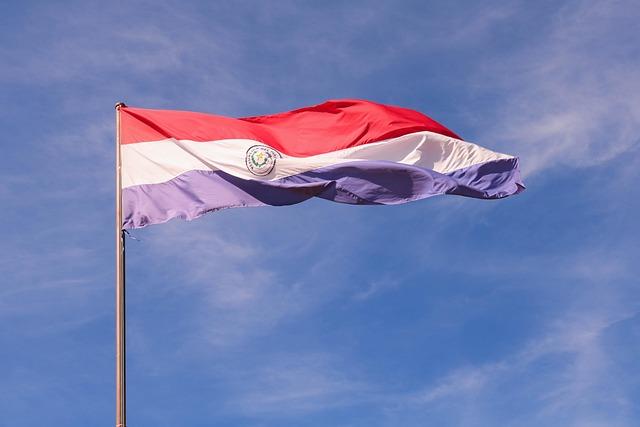
Paraguay and Argentina have jointly launched a new border control system at the Falcón-Clorinda crossing, marking a significant step toward enhancing security and streamlining cross-border transit. The upgraded protocol, inaugurated this week, aims to facilitate smoother movement for travelers and trade between the neighboring countries while bolstering efforts to prevent illegal activities. Authorities from both sides underscore the importance of this collaboration in strengthening bilateral ties and improving the efficiency of the shared border checkpoint.
Paraguay and Argentina Launch Advanced Border Control System at Falcón-Clorinda Crossing
The Paraguayan and Argentine governments have jointly inaugurated a cutting-edge border control system at the Falcón-Clorinda crossing, a pivotal gateway between the two nations. This advanced infrastructure aims to streamline customs procedures, enhance security measures, and reduce wait times for travelers and freight alike. Equipped with biometric verification technology, automated vehicle recognition, and integrated databases, the system promises a seamless experience while strengthening the fight against illicit trafficking and unauthorized border crossings.
Key features of the newly implemented control system include:
- Real-time data sharing between border agencies of both countries to ensure immediate verification and action.
- Automated cargo inspection to accelerate commercial transit without compromising thorough security checks.
- Enhanced traveler identification through biometric tools to prevent identity fraud and improve overall efficiency.
This joint effort underscores the commitment of Paraguay and Argentina to foster more secure, efficient, and cooperative border management, reflecting broader regional goals for economic integration and public safety.
Enhancing Security and Trade Efficiency Through Technology Integration
The launch of the cutting-edge control system at the Falcón-Clorinda crossing marks a significant milestone in regional cooperation between Paraguay and Argentina. By incorporating advanced surveillance technologies, real-time data sharing, and automated customs processing, both nations aim to fortify border security while drastically reducing wait times for travelers and cargo. The integrated platform enables authorities to promptly detect and address potential threats, such as smuggling and unauthorized crossings, enhancing overall safety without compromising the flow of legitimate trade.
Key benefits of the new system include:
- Seamless communication: Streamlined information exchange between Paraguayan and Argentine border agencies.
- Automated inspections: Use of biometric identification and AI-powered scanning to expedite clearance processes.
- Improved logistics: Enhanced tracking of commercial shipments to promote transparency and efficiency.
- Resource optimization: Reducing manual workload and minimizing human error.
This technological collaboration is expected to serve as a model for future bilateral efforts aimed at fostering economic growth while maintaining robust security standards along shared borders.
Recommendations for Travelers and Businesses Navigating the New Protocols
Travelers planning to cross between Paraguay and Argentina via the Falcón-Clorinda checkpoint should prepare for enhanced documentation checks and longer processing times under the new protocols. It is highly recommended to carry multiple forms of identification and ensure that all travel permits and health declarations are up to date. Additionally, being aware of the latest schedule changes and peak crossing hours can help minimize delays. Travelers are encouraged to download the official border control app, which provides real-time updates and notifications, helping to navigate the evolving system smoothly.
For businesses operating logistics and freight transport between the two countries, adjusting to the revamped control system requires a rigorous review of compliance procedures. Companies should implement thorough training sessions for drivers and administrative staff focused on the new requirements, including stricter customs declarations and enhanced vehicle inspections. Maintaining close communication with customs authorities and investing in digital tracking technologies will assist in reducing bottlenecks. Proactive coordination and adherence to updated protocols can safeguard timely deliveries and prevent costly disruptions.
- Verify all personal and commercial documentation well in advance.
- Use official border apps for live updates and guidance.
- Plan for extended processing times at peak periods.
- Train personnel thoroughly on new compliance rules.
- Enhance communication channels with border officials.
In Conclusion
The implementation of the new control system at the Falcón-Clorinda border crossing marks a significant step forward in enhancing efficiency and security between Paraguay and Argentina. As both nations continue to strengthen their bilateral relations, this development is expected to facilitate smoother transit for travelers and trade alike, bolstering economic and social ties. Authorities have pledged ongoing monitoring and adjustments to ensure the system meets the needs of all stakeholders, underscoring a shared commitment to modernizing border management in the region.