
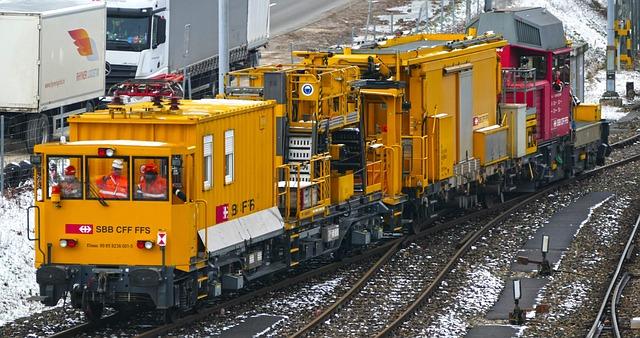
The UK government is moving forward with plans to reduce the minimum age requirement for train drivers from 21 to 18 in Great Britain, aiming to address ongoing workforce shortages in the rail industry. The proposed change, announced this week, seeks to open up opportunities for younger candidates and enhance recruitment efforts amid rising demand for rail services. If implemented, the move would mark a significant shift in transport employment policy, prompting discussions around safety standards and training protocols.
Government Moves to Lower Minimum Age for Train Drivers to 18 in Great Britain
The UK government has announced a significant change in its transportation workforce policy by proposing to reduce the minimum age for train drivers from 21 to 18. This shift aims to address the pressing shortage of train operators across Great Britain, which has been exacerbated by post-pandemic staffing challenges and increased service demand. Officials argue that lowering the age threshold will unlock a wider pool of young talent eager to pursue careers in the rail industry, potentially revitalizing the sector and enhancing service reliability nationwide.
Key aspects of the proposal include:
- Implementing rigorous training and safety programs to ensure younger drivers meet industry standards.
- Collaborating with rail companies to provide apprenticeships and entry-level opportunities for 18-year-olds.
- Monitoring performance outcomes closely to maintain high safety and service benchmarks.
Critics express concerns about experience and maturity levels, but supporters emphasize robust assessment criteria and ongoing supervision. The government plans to pilot the initiative later this year, marking a notable step in reshaping Britain’s rail workforce landscape.
Assessing Safety and Training Implications of Younger Drivers on the Rail Network
Lowering the minimum age for train drivers to 18 raises significant questions regarding safety standards and the adequacy of training programs. Younger drivers, while potentially bringing fresh perspectives and energy to the rail industry, may lack the experience traditionally deemed necessary for such a critical role. The government and rail operators must therefore ensure rigorous assessment methods remain in place, emphasizing not only technical skills but also situational awareness and decision-making under pressure. Existing safety protocols may require adaptation, with enhanced supervision and mentoring schemes introduced during an extended probationary period.
To address these challenges, companies are expected to implement comprehensive training frameworks that balance practical hands-on experience with modern simulation technologies. Key focus areas will include:
- Advanced risk management tailored for younger recruits
- Psychological resilience programs to handle high-stress scenarios
- Continuous monitoring and support mechanisms post-certification
- Collaboration with regulatory bodies to maintain safety benchmarks
Success in this initiative hinges on meticulous calibration between youthful enthusiasm and the uncompromising demands of rail safety. Stakeholders emphasize that age alone should not dictate competence; instead, a refined training approach aims to prepare younger drivers as fully equipped guardians of passenger safety.
Recommendations for Ensuring Robust Oversight and Skill Development in New Eligibility Rules
To maintain high safety standards amid the lowering of the minimum age for train drivers to 18, a rigorous framework of oversight must be implemented. This includes enhanced background checks and continuous performance evaluations to ensure that younger recruits meet all operational and safety expectations. Regulatory bodies should collaborate closely with training institutions to develop a stringent certification process that upholds competence and accountability at every stage. Additionally, introducing regular refresher courses and psychological assessments can help identify and address any potential risks related to inexperience or stress management on the job.
Equally vital is the emphasis on comprehensive skill development tailored to younger drivers who are stepping into this critical role earlier than before. Training programmes should incorporate state-of-the-art simulators and technology-driven modules to build confidence and technical proficiency. Mentoring schemes pairing novice drivers with seasoned professionals can provide invaluable hands-on experience and support. By fostering a culture of continuous learning and professional growth, the industry can safeguard operational excellence while embracing a younger workforce.
In Summary
As the government progresses with plans to lower the minimum age for train drivers to 18, stakeholders across the rail industry are closely monitoring the implications for safety, training, and recruitment. While proponents argue the move could help address workforce shortages and provide earlier career opportunities, critics urge caution over ensuring rigorous standards are maintained. With legislative approval still pending, the coming months will be crucial in determining the future of this significant shift in Great Britain’s rail sector.