
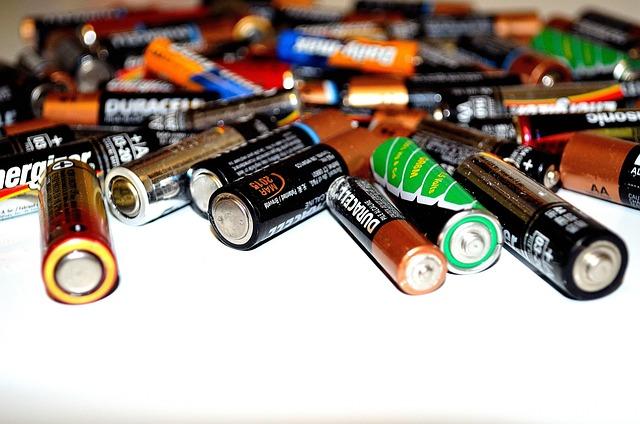
China is ramping up efforts to maximize battery recycling as part of a strategic move to secure critical mineral supplies vital for its booming electric vehicle (EV) and renewable energy industries. Facing growing global demand for lithium, cobalt, and other key elements, the world’s largest battery consumer is investing heavily in advanced recycling technologies to reduce dependence on imported raw materials. This push not only aims to bolster domestic resource security but also aligns with China’s broader climate goals by supporting more sustainable supply chains in the transition to a low-carbon economy.
China Accelerates Battery Recycling to Secure Critical Mineral Supply Chains
Amid growing global demand for electric vehicles and renewable energy storage, China is intensifying efforts to reclaim valuable metals from used batteries. The country’s latest initiatives focus on expanding advanced recycling facilities and streamlining regulations to promote circular economy practices. By recovering lithium, cobalt, nickel, and manganese from spent batteries, China aims to mitigate its reliance on volatile international mineral markets and bolster domestic supply chain resilience. Industry experts recognize this shift as a strategic move to align with Beijing’s broader climate goals while ensuring uninterrupted access to critical resources.
Key measures driving this acceleration include:
- Subsidies and incentives for battery producers and recyclers adopting cutting-edge extraction technologies
- Implementation of stricter environmental standards to improve recycling efficiency and reduce waste
- Development of nationwide collection networks to increase the volume of materials re-entering the supply system
These steps are positioning China at the forefront of battery recycling innovation, setting a benchmark for other nations striving to secure sustainable mineral supplies in the face of escalating geopolitical uncertainties.
Innovative Technologies and Policies Drive Circular Economy in Chinese Battery Sector
China is rapidly transforming its battery industry through a combination of advanced technological innovations and robust governmental policies aimed at fostering a circular economy. Cutting-edge recycling techniques such as hydrometallurgical processes and automated sorting systems have significantly increased the efficiency and environmental safety of extracting valuable minerals like lithium, cobalt, and nickel from used batteries. These technological strides not only reduce the dependency on virgin materials but also help mitigate the environmental hazards associated with battery waste, positioning China as a global leader in sustainable mineral recovery.
Complementing these technological advancements, Chinese authorities have implemented a series of policies to incentivize the collection and recycling of spent batteries. Key measures include:
- Extended Producer Responsibility (EPR): Mandating manufacturers to take back used batteries, ensuring a steady supply chain for recycled materials.
- Subsidies and Tax Breaks: Encouraging enterprises to invest in recycling infrastructure and innovation.
- Stringent Waste Management Regulations: Enforcing proper disposal and recycling standards across the battery lifecycle.
Together, these technologies and policies are creating a sustainable framework that not only secures critical mineral supplies for China’s electric vehicle and tech industries but also advances global efforts towards climate resilience and resource efficiency.
Experts Urge Global Adoption of Recycling Best Practices to Mitigate Mineral Shortages
As demand for critical minerals intensifies amid the global energy transition, industry experts emphasize the urgent need for widespread implementation of advanced recycling techniques. Drawing inspiration from China’s robust battery recycling framework, policymakers and environmentalists alike advocate for scaling up infrastructure and adopting uniform standards worldwide to reduce dependency on virgin mineral extraction. Key strategies include:
- Enhancing recovery rates of lithium, cobalt, and nickel from spent batteries.
- Investing in innovative technologies to process complex waste streams efficiently.
- Developing international collaborations to share best practices and regulatory guidance.
Experts warn that without a concerted global push to embrace these measures, mineral shortages could severely hinder the deployment of clean energy solutions. By fostering circular economies and optimizing resource use, nations can simultaneously address supply chain vulnerabilities and environmental concerns, securing a sustainable future for battery production and beyond.
Wrapping Up
As China intensifies efforts to boost battery recycling, it not only secures vital mineral resources for its burgeoning electric vehicle and renewable energy sectors but also sets a strategic precedent in resource management amid global supply chain uncertainties. This move highlights the nation’s commitment to sustainability while underscoring the geopolitical importance of critical minerals in the race toward a low-carbon future. Observers will be watching closely to see how these initiatives influence both domestic markets and international dynamics in the years ahead.