
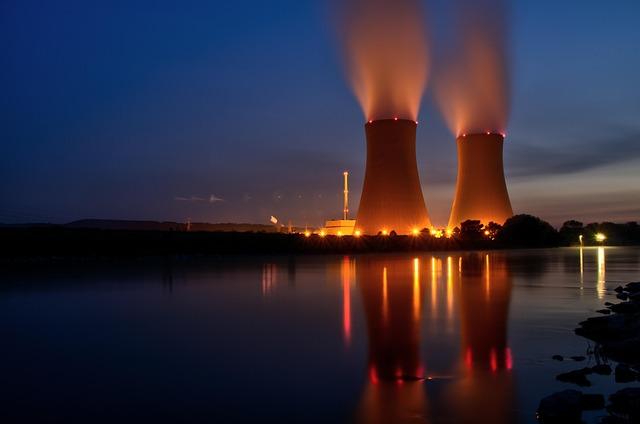
Russia stands as one of the leading nations in the global nuclear power industry, with a rich history and ambitious plans shaping its energy future. The World Nuclear Association highlights Russia’s extensive network of nuclear reactors, cutting-edge technology developments, and pivotal role in international nuclear markets. As the country grapples with energy security, environmental considerations, and geopolitical dynamics, its nuclear sector remains a critical component of both domestic policy and global nuclear cooperation. This article delves into the current state, challenges, and prospects of nuclear power in Russia, offering an in-depth look at a key player in the world’s atomic energy landscape.
Nuclear Power Growth in Russia Drives Energy Security and Economic Development
Russia’s expanding nuclear power program is rapidly reshaping the nation’s energy landscape, securing a stable and sustainable power supply amid global shifts in energy demand. With ambitious projects underway, the country is not only reducing its dependence on fossil fuels but also positioning itself as a key player in meeting future energy needs. The growth of nuclear capacity enables consistent electricity generation, supporting critical infrastructure and enhancing grid reliability across vast regions. This development is integral to Russia’s strategy to maintain energy sovereignty and meet international climate commitments simultaneously.
Economic benefits from nuclear expansion extend beyond energy security. The industry fosters high-tech job creation, drives innovation in reactor technology, and stimulates regional growth. Key highlights include:
- Investment in cutting-edge fast neutron reactors and small modular reactors (SMRs) aiming for export potential.
- Creation of thousands of skilled positions in engineering, manufacturing, and research sectors.
- Boosting local economies through infrastructure development surrounding new nuclear sites.
These efforts underscore Russia’s commitment to becoming a global leader in peaceful nuclear technology, while simultaneously reinforcing its economic resilience in a rapidly changing energy market.
Challenges Facing Russia’s Nuclear Industry Amid Global Environmental Concerns
Russia’s nuclear sector navigates a complex web of obstacles as environmental concerns intensify on the global stage. The pressure to reduce carbon emissions has sparked interest in nuclear energy as a low-carbon alternative; however, public apprehension about nuclear safety and waste management remains a significant roadblock. Stakeholders face increasing scrutiny over outdated reactor technologies and the long-term stewardship of radioactive byproducts. Additionally, the environmental impact of uranium mining and plant decommissioning adds layers of regulatory and social challenges, complicating efforts to modernize and expand the nation’s nuclear capacity.
External factors exacerbate these issues, with international sanctions limiting access to cutting-edge equipment and materials critical for the advancement of Russian nuclear technology. Moreover, global shifts toward renewable resources have altered investment priorities, leaving Russia’s nuclear industry at a crossroads between sustaining legacy infrastructure and innovating for the future. Key challenges include:
- Maintaining safety standards amid aging reactors and increased operational risks
- Addressing nuclear waste with sustainable disposal solutions accepted by both regulators and the public
- Securing international cooperation despite geopolitical tensions that restrict collaboration
- Balancing economic viability against the high costs of modernization and environmental compliance
Policy Recommendations to Enhance Safety and International Collaboration in Russian Nuclear Expansion
To address growing concerns surrounding the rapid expansion of Russia’s nuclear capabilities, it is imperative that clear and robust safety protocols are established and rigorously enforced. International oversight mechanisms must be strengthened to ensure transparency and accountability at every stage of nuclear development-from construction to decommissioning. This includes adopting advanced technologies for real-time monitoring of reactor conditions and emergency response systems designed to prevent accidents and mitigate potential environmental impacts. Encouraging open communication between Russian authorities and global watchdog organizations will also be vital to building trust and fostering a culture of safety.
Enhancing global collaboration can be achieved by expanding bilateral and multilateral partnerships focused on nuclear innovation and risk management. Key actions should include:
- Joint research initiatives to develop safer reactor designs and waste management solutions.
- Regular information exchange through transparent reporting and shared safety drills.
- Strengthened adherence to international nuclear non-proliferation treaties and environmental standards.
By building a framework based on mutual respect, shared knowledge, and rigorous safety standards, the international community can play a proactive role in ensuring Russia’s nuclear growth does not compromise global security or environmental integrity.
In Retrospect
As Russia continues to advance its nuclear power capabilities, the country remains a key player on the global stage in both energy production and nuclear technology exports. With ambitious plans to expand its reactor fleet and modernize existing facilities, Russia aims to solidify its position as a leading force in the future of low-carbon energy. However, challenges including geopolitical tensions, regulatory scrutiny, and public perception will shape the trajectory of its nuclear program in the years ahead. Staying informed on developments within Russia’s nuclear sector will be essential for understanding broader trends in global energy security and climate policy.