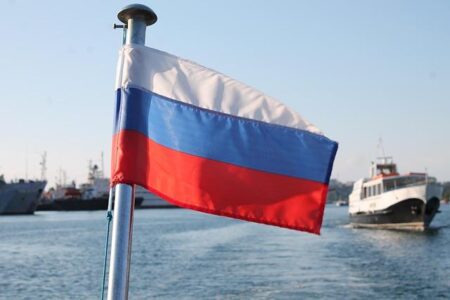

The Institute for the Study of War released its latest assessment on February 11, 2026, providing a detailed analysis of the ongoing Russian offensive campaign. The report outlines recent developments on the battlefield, evaluates shifts in strategic priorities, and examines the operational capabilities of Russian forces amid evolving geopolitical pressures. As conflict dynamics continue to unfold, this assessment offers critical insights into the current state of hostilities and their potential implications for regional stability.
Russian Forces Bolster Eastern Front Amid Supply Chain Challenges
In a notable shift of operational focus, Russian military leadership has intensified troop deployments and materiel allocations along the eastern axis, aiming to reinforce defensive and offensive postures amid ongoing combat pressures. This strategic recalibration involves the arrival of fresh mechanized infantry units, supplemented by armored contingents and artillery assets repositioned to key logistical nodes. Despite these deployments, the Russian forces continue to grapple with persistent supply chain disruptions that threaten to impede sustained momentum in the contested regions.
Critical challenges include:
- Fuel shortages limiting the operational range of armored vehicles and air support
- Delays in ammunition deliveries hampering artillery effectiveness
- Maintenance backlogs affecting mechanized equipment readiness
- Strained communications impacting real-time coordination
Commanders appear to be mitigating these issues by prioritizing high-value targets and concentrating forces for localized tactical gains rather than broad-front advances. However, the outlook suggests that without significant improvements to logistics infrastructure, the durability of Russian operations in the eastern theaters remains uncertain.
Ukrainian Counteroffensive Gains Ground Through Precision Strikes and Localized Resistance
Ukrainian forces have made notable advancements in contested territories by leveraging a combination of precision strikes and localized resistance efforts that disrupt Russian supply lines and command structures. Targeted artillery barrages and drone operations have systematically dismantled key logistical hubs, forcing Russian units to retreat or become isolated. These focused attacks have facilitated Ukrainian troops in reclaiming strategic positions with reduced casualties while complicating Moscow’s ability to mount sustained offensives in the region.
On the ground, local partisans and irregular fighters continue to impede Russian movements through guerrilla tactics, ambushes, and intelligence sharing with Ukrainian command. Their efforts have amplified the impact of coordinated strikes, creating multiple pressure points that overwhelm Russian defenses. Key outcomes include:
- Recapture of critical roadways previously contested or held by Russian forces
- Disruption of Russian resupply convoys resulting in shortages of ammunition and fuel
- Enhanced coordination between conventional military units and civilian resistance groups
These developments signal a shifting battlefield dynamic, where precision and local knowledge increasingly dictate momentum, challenging Russian operational capabilities across eastern Ukraine.
Strategic Recommendations Emphasize Enhanced Intelligence Sharing and Targeted Sanctions
In response to evolving dynamics on the battlefield, experts underscore the critical need for ramped-up intelligence sharing among allied forces. Enhanced collaboration promises not only to preempt enemy maneuvers but also to sharpen operational precision. Emphasizing real-time data exchange, the report advocates for integrated surveillance systems and cross-border communication networks to bolster situational awareness. Such measures are poised to disrupt adversarial coordination, limiting Russia’s capacity to exploit vulnerabilities in the defensive lines.
Simultaneously, policymakers are urged to intensify targeted sanctions directed at key economic and military sectors underpinning the Russian war effort. Rather than blanket restrictions, a more nuanced approach aims to maximize pressure while minimizing collateral damage to civilian populations. Priority areas for sanctions include:
- Defense manufacturing hubs critical for replenishing frontline equipment
- Financial institutions facilitating illicit transactions
- Energy exports that fund military operations
By aligning diplomatic and economic tools with sharpened intelligence insights, coalition efforts strive to erode Russia’s operational capabilities and hasten conflict resolution on favorable terms.
Key Takeaways
As the situation on the ground continues to evolve, the latest assessment from the Institute for the Study of War underscores the complex and shifting dynamics of the Russian offensive campaign. With both strategic gains and persistent challenges evident, the conflict remains fluid, demanding close attention from policymakers and analysts alike. Continued monitoring and reliable intelligence will be essential to understanding the broader implications of these developments in the weeks ahead.