
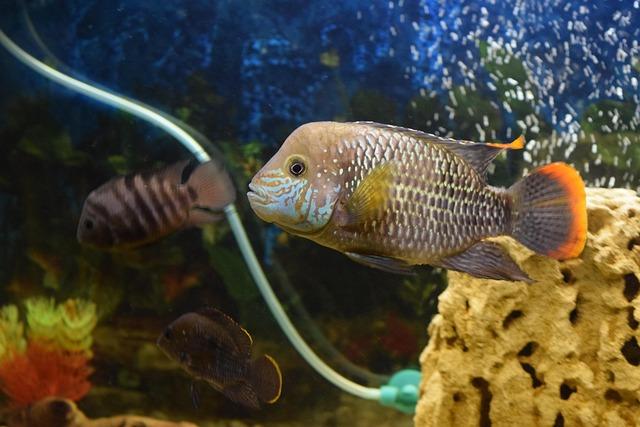
Forty-six swimmers were hospitalized following a rare and alarming piranha attack at a popular swimming spot in Argentina, authorities reported on Tuesday. The incident, which took place in the Paraná River, has raised concerns about safety measures and the presence of aggressive aquatic wildlife in recreational waters. Emergency responders quickly treated the victims, many of whom sustained multiple bite wounds. Officials are investigating the circumstances surrounding the attack to prevent future occurrences.
Piranha Attack in Argentina Leaves Dozens Injured Authorities Urge Caution in Local Waters
Authorities confirmed that 46 individuals were rushed to local hospitals following a sudden piranha attack in the Paraná River, near a popular recreational area in northern Argentina. Victims, ranging from children to adults, suffered bites primarily on their limbs, with several cases described as severe due to the aggressive nature of the incident. Medical teams worked swiftly to treat wounds, administer tetanus shots, and prevent infections. Early investigations suggest an unusual spike in piranha activity, possibly linked to environmental changes and increased water temperatures.
In response to the alarming event, officials have issued urgent warnings to the public, advising against swimming or engaging in water-based activities in affected zones until further notice. Key safety measures recommended include:
- Avoid entering murky or stagnant water bodies.
- Stay close to shorelines and avoid dense vegetation areas.
- Report any unusual fish behavior to local authorities immediately.
- Follow updates issued by emergency management teams.
Local governments are collaborating with environmental experts to monitor aquatic wildlife patterns and implement rapid response protocols to prevent future incidents. The community remains on high alert as investigations continue to determine the root causes behind this unprecedented piranha aggression.
Medical Response and Treatment for Piranha Bite Victims Insights from Emergency Teams on Managing Injuries
Emergency response teams arriving at the scene reported a coordinated and rapid medical intervention crucial for minimizing the severity of the piranha-inflicted wounds. Initial treatment protocols focused on thorough wound cleansing to prevent infection, administering tetanus shots, and applying antiseptic dressings. Medical staff emphasized the importance of prompt pain management and monitoring for signs of systemic infection, given the aggressive nature of piranha bites and the potential for bacteria-laden wounds. Victims were triaged based on injury severity, with those suffering from deep lacerations or multiple bites receiving immediate surgical attention to control bleeding and repair damaged tissue.
According to emergency personnel, effective management also included educating patients on aftercare measures to reduce complications. Recommendations provided to the victims included:
- Keeping wounds clean and dry to prevent bacterial infection.
- Monitoring for symptoms such as redness, swelling, or fever indicating secondary infection.
- Seeking follow-up medical care for potential complications like cellulitis or necrosis.
- Utilizing prescribed antibiotics and pain relievers as directed.
The rapid activation of local healthcare resources and established protocols was highlighted as a key factor in managing the sudden influx of patients, helping to prevent long-term disability and complications following the unexpected mass piranha attack.
Safety Recommendations for Swimmers and Tourists Preventing Future Incidents in Piranha-Prone Areas
In light of the recent piranha attack resulting in the hospitalization of 46 swimmers in Argentina, it is crucial for visitors to exercise heightened caution in known piranha habitats. Experts strongly advise avoiding swimming during the dry season when piranhas tend to concentrate in smaller water bodies, increasing the likelihood of aggressive encounters. Swimmers should also stay clear of murky waters and avoid wearing shiny jewelry or brightly colored swimwear, which can attract these fish. Local authorities recommend entering the water slowly, minimizing splashing to reduce disturbance and potential agitation of piranhas.
To further ensure safety, tourists and swimmers are encouraged to:
- Swim only in designated safe zones monitored by local officials
- Follow all posted warnings and guidance from lifeguards or guides
- Avoid swimming during dawn, dusk, and night hours when piranhas are most active
- Maintain vigilance and never swim alone in piranha-prone areas
Implementing these precautionary measures can significantly reduce the risk of future attacks and protect both visitors and local communities in regions where piranhas are endemic.
Closing Remarks
The incident serves as a stark reminder of the unpredictable dangers that can arise in natural environments. Authorities in Argentina continue to investigate the circumstances surrounding the attack and have urged the public to exercise caution when swimming in regions known to harbor aggressive wildlife. As the 46 hospitalized swimmers receive treatment, local officials are reviewing safety protocols to prevent similar occurrences in the future.