
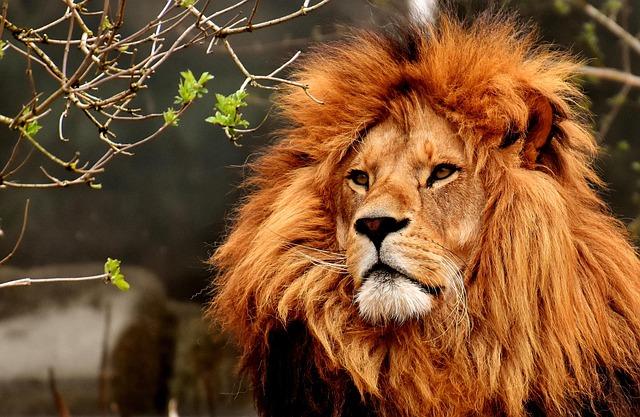
China is pioneering an unprecedented approach to advancing its artificial intelligence weaponry by employing predators in training simulations, according to recent reports. This innovative strategy, detailed in a feature by BGR.com, leverages the natural instincts and behaviors of predatory animals to enhance the adaptability and effectiveness of AI-driven military systems. As global powers race to develop next-generation defense technologies, China’s unconventional method underscores the escalating stakes in the AI arms race and raises critical questions about the ethical and strategic implications of integrating biological models into autonomous weapons training.
China’s Use of Predatory Animals in Advanced AI Weapons Training Raises Ethical and Strategic Questions
Recent reports reveal that China has incorporated the behaviors of predatory animals into the development of cutting-edge artificial intelligence systems used for military training. By studying the hunting tactics of creatures such as wolves, eagles, and big cats, Chinese defense researchers aim to enhance the decision-making algorithms of AI-powered weapons platforms – enabling rapid adaptability, coordinated team assaults, and strategic targeting that mimics nature’s most efficient predators. This bio-inspired approach could profoundly shift the landscape of autonomous warfare, offering a new battlefield advantage through instinctive yet high-tech combat simulations.
However, this strategy raises significant ethical and strategic concerns questions globally:
- The moral implications of replicating animal predation tactics in autonomous weaponry
- Potential escalation in AI-driven arms races and the acceleration of lethal autonomous systems
- Challenges in regulating AI weapons trained with unpredictable, nature-modeled algorithms
- The risks associated with machines that may prioritize survival and dominance akin to wild predators
As international observers and defense experts scrutinize these developments, the interplay between biological inspiration and artificial combat intelligence underscores not just a technological leap but a turning point in the ethical governance of future warfare.
How Biologically Inspired Algorithms are Enhancing China’s Military Capabilities
China’s military advancements have increasingly incorporated biologically inspired algorithms, leveraging nature’s evolutionary and survival tactics to refine the decision-making and maneuverability of AI-driven weapons. By modeling the hunting strategies of predators, these algorithms enable autonomous systems to adapt dynamically to fluid combat environments, improving efficiency in target acquisition and evasion. This approach simulates natural selection and collective behaviors observed in species like wolves and eagles, allowing AI to predict opponent moves and adjust strategies with unprecedented precision.
Implementing these bio-mimetic frameworks has resulted in several key enhancements, including:
- Enhanced Situational Awareness: AI systems process multiple data streams with predator-level acuity, identifying vulnerabilities faster than traditional software.
- Swarm Coordination: Employing patterns found in pack hunting to optimize drone and autonomous vehicle formations for strategic advantage.
- Energy Efficiency: Algorithms mimic the energy-conserving tactics of predators, extending operational time and reducing logistic strain.
These innovations are propelling China’s defense technology towards more adaptive, resilient, and formidable AI weaponry, marking a significant shift from conventional military AI paradigms.
Experts Recommend Greater Transparency and International Oversight on AI Weapon Development
As the race to develop advanced AI weaponry accelerates, leading defense analysts and ethicists are raising urgent calls for increased transparency in the technological processes driving these innovations. Currently, the clandestine nature of AI weapons research, especially in nations like China, obscures critical details about the capabilities, limitations, and safeguards-or lack thereof-surrounding these systems. Experts argue that this opacity not only fuels global mistrust but also heightens the risk of unintended escalations in conflict scenarios, where AI-operated weapons might act unpredictably without human oversight.
To address these concerns, specialists advocate for a comprehensive framework of international oversight with specific emphasis on:
- Standardized disclosure practices for AI weapon characteristics and operational parameters.
- Joint verification mechanisms shared among global powers to ensure compliance and mitigate risks.
- Ethical guidelines and accountability protocols guiding AI weapon deployment decisions.
Such measures could establish a baseline of trust and security, potentially preventing destabilizing arms races and fostering cooperative security efforts in an era where AI is reshaping the nature of warfare.
To Wrap It Up
As China continues to push the boundaries of artificial intelligence in military applications, the use of predator animals to train AI weapons systems highlights the innovative-and controversial-methods being employed. This approach not only underscores the strategic importance Beijing places on autonomous warfare but also raises critical questions about ethics and future warfare dynamics. As global powers race to develop smarter, more adaptive weaponry, the international community will need to closely monitor these advancements and their implications for security and stability worldwide.