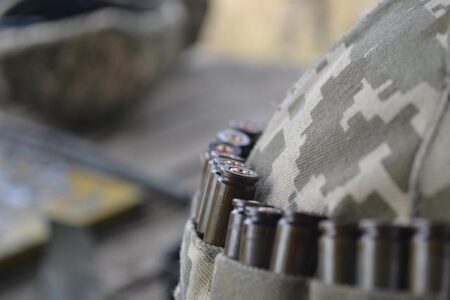

After nearly two months of gradual Russian advances in the strategically significant Zaporizhzhia Oblast, Ukrainian forces have mounted a swift and effective counteroffensive, reclaiming up to 9.5 kilometers of territory within just one week. This rapid Ukrainian push marks a notable reversal in momentum, underscoring the dynamic and fiercely contested nature of the ongoing conflict in southeastern Ukraine, as highlighted in a recent report by Euromaidan Press.
Russia’s Two Month Offensive in Zaporizhzhia Oblast Meets Strong Ukrainian Resistance
Over the past two months, Russian forces have made incremental yet arduous advances into the Zaporizhzhia Oblast, facing entrenched Ukrainian defenses and difficult terrain. Despite relentless artillery barrages and ground assaults, Russian troops have struggled to secure significant territorial gains. Ukrainian units, bolstered by local knowledge and international support, have mounted a series of counteroffensives that have halted the momentum of the Russian offensive. The contested frontline remains highly volatile, with both sides incurring substantial casualties in a brutal war of attrition.
In a notable turnaround, Ukrainian forces have clawed back up to 9.5 kilometers in just one week, reclaiming strategic positions and disrupting Russian supply lines. Key factors contributing to this success include:
- Improved intelligence and reconnaissance capabilities, allowing precise targeting of enemy weak points.
- Effective use of combined arms tactics, integrating infantry, artillery, and armored units.
- Mounting logistical challenges on the Russian side, hindering their ability to reinforce forward positions.
This dynamic underscores the resilience and tactical adaptability of Ukrainian forces, signaling that the battle for Zaporizhzhia Oblast will continue to be fiercely contested in the coming weeks.
Strategic Gains and Setbacks Shaping Control in the Region
After months of incremental advances by Russian forces in Zaporizhzhia Oblast, Ukrainian troops have executed a remarkable counteroffensive that has reshaped the tactical landscape in the region. Within a single week, Ukrainian units succeeded in reclaiming up to 9.5 kilometers of territory, demonstrating not only resilience but also enhanced operational coordination. This rapid pushback has disrupted Russian supply lines and challenged their previously steady momentum, signaling a pivotal shift amidst protracted combat. Observers note that the reclaimed areas include strategic high ground and key logistic nodes, which will likely influence the sustainability of future maneuvers on both sides.
The dynamic seesaw of control has exposed a complex interplay of advantages and vulnerabilities for each faction. While Russian forces benefited initially from concentrated artillery and fortified positions, their slow gains over two months revealed constraints in adaptability and resource allocation. Conversely, Ukraine’s recent advances were bolstered by:
- Improved intelligence and reconnaissance enabling targeted strikes;
- Enhanced morale fueled by international support and tactical success;
- Effective counter-battery fire limiting enemy artillery effectiveness.
Despite these successes, the front remains fluid, with both sides bracing for potential escalations as each assesses the strategic value of contested zones. The coming weeks will be critical in determining whether Ukraine can sustain its momentum or if Russian forces will regroup to regain lost ground.
Recommendations for Strengthening Ukrainian Defenses Amid Continued Hostilities
To consolidate recent gains and prevent further territorial losses, Ukrainian forces must prioritize the rapid fortification of newly reclaimed positions. This includes the deployment of advanced surveillance technology to detect enemy movements early, coupled with the establishment of layered defensive lines utilizing both natural terrain and man-made barriers. Enhanced coordination between artillery units and frontline infantry is critical to maintain pressure on retreating forces while securing supply routes against potential counterattacks.
Moreover, increasing the resilience of the Zaporizhzhia defense hinges on sustained logistical support and the integration of international military aid. Key recommendations include:
- Accelerating the delivery of cutting-edge anti-tank and anti-aircraft systems to enhance battlefield versatility.
- Intensifying intelligence-sharing protocols with allied forces to anticipate Russian maneuvers.
- Implementing rapid medical evacuation and battlefield casualty care to maintain troop morale and combat effectiveness.
These measures collectively aim to transform tactical successes into strategic advantages amid the protracted conflict.
The Way Forward
The recent developments in Zaporizhzhia Oblast underscore the ongoing volatility and shifting frontlines in the broader conflict between Russia and Ukraine. While Russia managed to make incremental advances over a two-month period, Ukraine’s rapid counteroffensive reclaiming up to 9.5 kilometers in just one week highlights both the intensity of the fighting and the resilience of Ukrainian forces. As the situation continues to evolve, observers will be closely monitoring how these territorial changes influence the strategic balance and the prospects for any future negotiations.