The Rio Carnival, renowned worldwide for its vibrant parades, dazzling costumes, and infectious rhythms, stands as Brazil’s most iconic cultural spectacle. Each year, millions flock to the streets of Rio de Janeiro to witness a dazzling display of colour and creativity, where samba schools compete in elaborate performances that blend tradition with spectacle. Yet beneath the carnival’s exuberant surface lie layers of complexity, including societal tensions, political debates, and controversies that challenge its festive image. This article explores the multifaceted nature of Rio Carnival, examining how clowns, colour, and controversy intersect in one of the world’s most celebrated festivals.
The Vibrant Spectacle of Rio Carnival’s Street Parades and Costumes
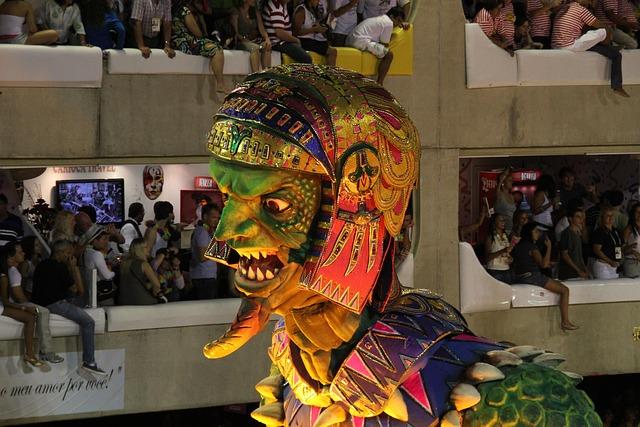
The streets of Rio de Janeiro come alive each year with a kaleidoscope of colour, movement, and music as thousands of revelers take to the avenues in elaborate costumes that tell stories both ancient and modern. At the heart of this pulsating spectacle are the samba schools, whose vibrant parades fuse artistic excellence with cultural commentary, captivating audiences from around the globe. Spectators can expect to witness feathers, sequins, and beads in dazzling combinations, alongside thematic floats that range from satirical to celebratory, each designed to outshine the last.
Beyond the visual feast lies a deeper tapestry of symbolism, where costumes serve as both art and statement. Some of the most striking outfits draw inspiration from Afro-Brazilian heritage, indigenous motifs, and contemporary political issues, reflecting the city’s diverse social fabric. Key elements of the parade include:
- Massive feathered headdresses towering over street dancers
- Intricate beadwork that catches the afternoon sun
- Themed ensembles representing myths, historical events, and social challenges
This vibrant display is not without its complexities. The sheer scale and cost of the costumes spark debates about inclusivity and the commercialization of what is seen as a deeply communal event. Nevertheless, the street parades remain an unmissable highlight of the carnival, encapsulating the spirit of Rio with an extravagant blend of tradition, innovation, and spectacle.
Behind the Masks Clowns Bring Humor and Tradition to the Festivities
Hidden beneath the flamboyant costumes and vibrant makeup, the clowns of Rio Carnival carry a legacy that is both humorous and deeply rooted in cultural tradition. Their exaggerated gestures and playful antics provide a vital comic relief amid the electrifying chaos of the parades, ensuring that laughter echoes through the streets alongside the rhythmic samba beats. Far from mere entertainers, these performers embody a rich folklore narrative, weaving stories of social critique and resilience within their performances. Their presence serves as a reminder that carnival is not only a feast for the eyes but also a celebration of community spirit and collective identity.
Key roles played by the clowns include:
- Breaking the tension during intense competition between samba schools
- Engaging with the audience, inviting them into the joyous revelry
- Preserving historic carnival traditions despite modern controversies
- Reflecting current social and political themes through satire
With every exaggerated smile and boisterous dance, these clowns uphold a carnival tradition that transcends mere spectacle, proving that humor and heritage remain at the heart of Rio’s most iconic celebration.
Addressing Controversies Surrounding Cultural Appropriation and Social Inequality
The vibrant spectacle of the Rio Carnival, while globally celebrated for its exuberant displays of color and rhythm, continually grapples with deeper social tensions beneath its festive surface. Critics have increasingly spotlighted issues of cultural appropriation, arguing that some performances and costumes dilute or commodify Afro-Brazilian and indigenous traditions without properly acknowledging their origins. This controversy has sparked intense debates about ownership, representation, and respect within one of the world’s most famous cultural events.
Amidst these discussions, social inequality remains an undeniable backdrop to the celebrations. Many samba schools originate from Rio’s favelas, communities often marked by poverty and limited access to resources. While these groups pour immense creativity and pride into the Carnival, questions arise about who truly benefits from the event’s economic impact. Critics urge organizers and authorities to address systemic disparities by ensuring fair compensation and greater inclusion for marginalized groups, maintaining that Carnival’s spirit must reflect not only joyous pageantry but also social justice.
- Cultural sensitivity: Renewed efforts to involve tradition bearers in creative decisions
- Economic equity: Initiatives to distribute Carnival earnings more fairly
- Educational outreach: Programs to raise awareness about the origins of Carnival elements
Key Takeaways
As the vibrant spectacle of Rio Carnival continues to captivate millions worldwide, its blend of dazzling color, exuberant performances, and deep-rooted traditions remains undeniable. Yet, beneath the festive surface, ongoing controversies-from social inequalities to political debates-highlight the complex realities intertwined with this iconic celebration. Understanding Rio Carnival means embracing both its joyous spirit and the challenges it faces, reflecting a city and a culture that are as dynamic and multifaceted as the festival itself.