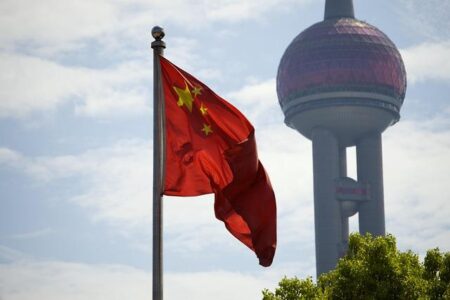

The West is facing increasing pressure to establish its own pricing mechanisms for rare earth elements as reliance on China’s dominant supply chain deepens. According to a Reuters report, experts and industry leaders warn that without independent pricing benchmarks, Western countries remain vulnerable to market manipulation and geopolitical leverage exerted by Beijing. As rare earths become ever more critical to advanced technologies and defense industries, the call for greater autonomy in valuing these vital materials has gained urgency, highlighting a strategic imperative to reduce dependency on China’s rare earths monopoly.
West Faces Urgent Need to Establish Independent Rare Earth Pricing Mechanism
As global dependence on rare earth elements intensifies, Western nations are confronted with a strategic imperative to develop an autonomous pricing framework. Currently, China’s dominance over the rare earth supply chain allows it to effectively dictate market prices, creating vulnerabilities for industries ranging from renewable energy to defense technologies. Establishing an independent valuation mechanism would empower the West to reduce susceptibility to supply shocks and price manipulations, fostering a more resilient and transparent rare earth market.
Key advantages of implementing a Western-centered pricing system include:
- Enhanced market stability: Protects against abrupt price swings influenced by geopolitical tensions.
- Increased bargaining power: Allows Western buyers and producers to negotiate under a fairer, more balanced reference.
- Promotion of domestic production: Encourages investment in alternative rare earth sources and refining capabilities within Western territories.
As rare earths become an even more critical component of modern technologies, the urgency to break away from reliance on a singular pricing source grows more pressing. Without swift action, Western economies risk being perpetually tethered to China’s strategic leverage in this vital sector.
Challenges in Breaking Free from China’s Dominance in Critical Mineral Markets
Efforts to diversify supply chains away from China’s stranglehold on rare earth elements face a labyrinth of hurdles. The nation’s near-monopoly is bolstered by its extensive control over mining, processing, and refining facilities, which are difficult to duplicate or replace. Adding to the complexity, China’s ability to manipulate pricing through strategic stockpiles and export restrictions creates a volatile market that deters investment in alternative sources. Infrastructure gaps, environmental regulations, and technological barriers further compound the slow progress in establishing independent supply networks.
Moreover, the global market lacks a transparent, Western-led pricing mechanism for critical minerals, which perpetuates reliance on Chinese benchmarks. Without a stable, standardized price index originating outside China, buyers face uncertainty and risk, limiting the incentive to develop new projects or invest in emerging suppliers. This opacity plays directly into China’s hands, allowing it to dictate terms and maintain leverage in negotiations. To truly unshackle from Beijing’s grip, collaborative international efforts must not only expand mining ventures but also create robust, independent pricing platforms that foster market confidence and resilience.
- China’s vertical integration disrupting global supply chain independence
- Lack of alternative refining capacity hindering market competition
- Absence of transparent pricing benchmarks increasing market instability
- Investment risks tied to geopolitical tensions limiting funding flow
Strategic Steps for the West to Secure Supply Chains and Foster Sustainable Alternatives
To reduce dependency on China’s dominance in rare earth elements, Western nations must take decisive action by diversifying their sources and investing heavily in alternative materials. This involves forging new trade partnerships with countries rich in critical minerals such as Australia, Canada, and parts of Africa, while simultaneously expediting domestic mining projects under stringent environmental regulations. Governments need to implement policies that incentivize private sector investment in both exploration and sustainable extraction technologies, ensuring a stable supply chain insulated from geopolitical risks. Additionally, establishing strategic reserves of key materials can serve as a buffer against sudden supply disruptions caused by diplomatic tensions or market volatility.
A multi-faceted approach will be essential to foster resilience and sustainability in supply chains:
- Accelerate research and development of rare earth alternatives to reduce reliance on scarce minerals
- Promote circular economy practices, including recycling and reusing rare earth components from electronic waste
- Enhance cooperation between allied nations to create transparent and secure supply networks
- Strengthen trade policies to protect intellectual property and ensure fair pricing mechanisms independent of dominant suppliers
The Way Forward
As tensions over supply chain security intensify, the West’s pursuit of independent pricing mechanisms for rare earth elements signals a strategic move to reduce reliance on China’s dominant position. Establishing transparent and competitive pricing structures could not only enhance market stability but also bolster geopolitical resilience. While challenges remain, diversifying sources and strengthening domestic capabilities emerge as critical steps in reshaping the rare earths landscape and safeguarding future technological and industrial growth.